

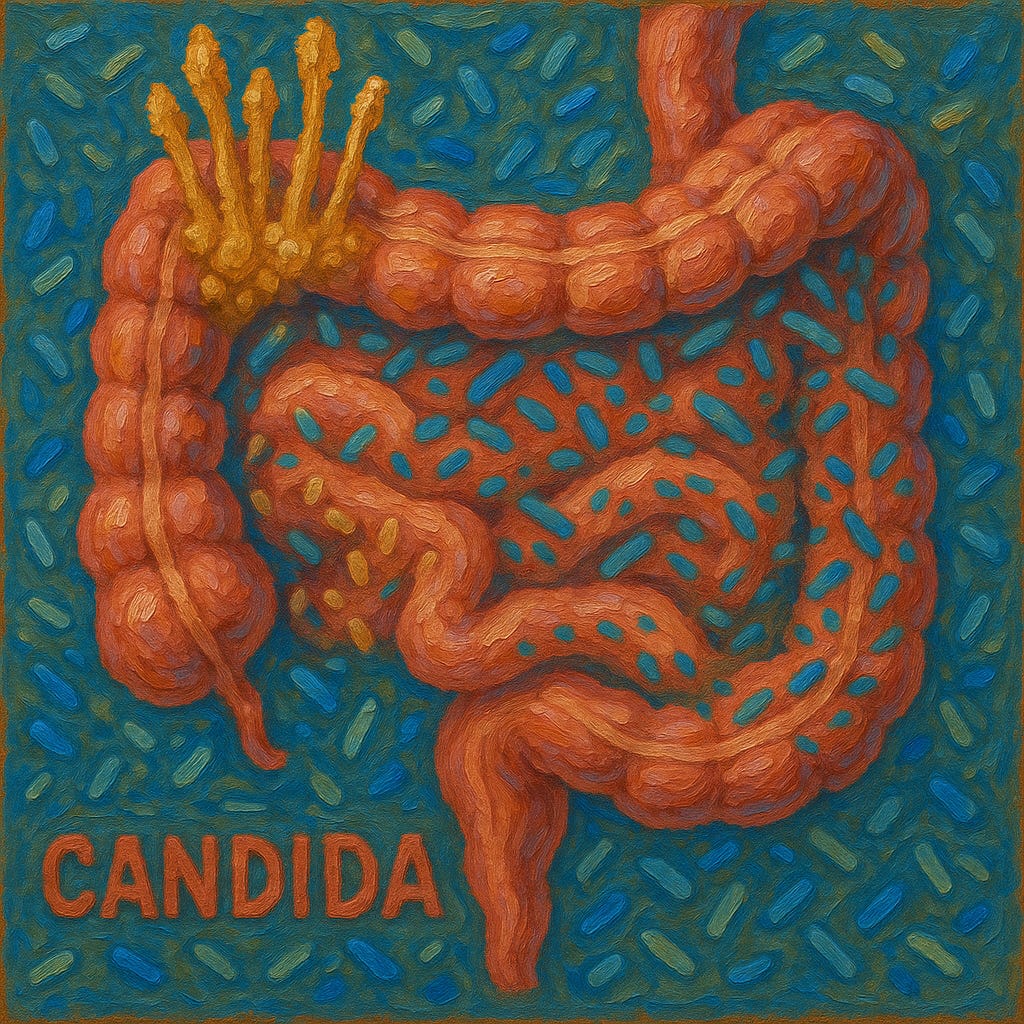
In The Candida Cure, Ann Boroch presents a meticulous blueprint for addressing the pervasive yet underrecognized issue of Candida albicans overgrowth, a condition implicated in a spectrum of ailments from fatigue and bloating to autoimmune disorders like multiple sclerosis. Boroch, a nutritional consultant who herself triumphed over multiple sclerosis through a self-designed protocol, argues that modern lifestyle factors—antibiotics, sugar-laden diets, and chronic stress—disrupt the gut’s microbial equilibrium, allowing candida to morph from a benign yeast into a pathogenic fungus. Her 90-day program, rooted in naturopathic principles, combines a diet devoid of sugar and gluten, antifungal remedies, targeted supplements, and detoxification strategies to restore the gut microbiome and mycobiome, as evidenced by her own remission and the success of thousands of clients. The book’s central metaphor, likening the body to a garden where candida must be weeded out to restore vitality, underscores its holistic approach, emphasizing not just physical but emotional and spiritual healing. Yet, the reliance on symptom-based questionnaires, such as Dr. William G. Crook’s, due to unreliable lab diagnostics, invites scrutiny about the precision of candida’s role in such diverse pathologies, even as Boroch’s protocol offers hope where conventional medicine often falters.
This narrative of microbial imbalance and holistic recovery resonates with broader discussions on gut health and alternative therapies. In Do You Have the Guts to Be Beautiful?, the gut is framed as “the epicenter of our well-being,” with dysbiosis linked to skin issues and systemic inflammation, echoing Boroch’s focus on leaky gut syndrome as a conduit for candida’s toxins. Similarly, Kerosene and Turpentine Therapy explores turpentine’s historical use as an antifungal, aligning with Boroch’s use of broad-spectrum antimicrobials to combat candida and coexisting infections like SIBO. These perspectives collectively underscore the gut’s pivotal role in health, yet the scientific community’s limited focus on the mycobiome, as Boroch notes with only “269 of over 6,000 microbiome studies by 2015” addressing fungi, suggests a gap between holistic claims and empirical validation.
With thanks to Ann Boroch.
Deep Dive Conversation Library (Bonus for Paid Subscribers Only)
This deep dive is based on the book:
Discussion No.104:
23 insights and reflections from “The Candida Cure”
Thank you for your support.
Analogy
Imagine your body as a lush garden, where Candida albicans is a native plant meant to coexist peacefully with other flora. In a healthy garden, beneficial bacteria act as gardeners, keeping candida in check. But when storms hit—antibiotics, sugary foods, or stress—these gardeners are swept away, and candida grows wild, its roots tearing through the soil (leaky gut), spreading toxins like weeds. The Candida Cure is your gardening guide: it teaches you to pull out the overgrowth with an anti-candida diet, restore balance with probiotics and supplements, and nurture the soil with detox and stress management. With care, your garden flourishes again, vibrant and resilient, free from the chaos of unchecked weeds.
The One-Minute Elevator Explanation
Picture your body as a delicate ecosystem where Candida albicans, a natural yeast, can turn rogue if the balance tips. Modern life—antibiotics, sugar-heavy diets, stress—lets candida overgrow, causing everything from bloating to autoimmune diseases. The Candida Cure offers a 90-day plan: a diet that starves yeast, antifungals to kill it, supplements to heal your gut, and stress-busting practices to keep it in check. It’s like weeding a garden so health can bloom. By day 90, you’re energized, clear-headed, and equipped to stay balanced for life. Want to dig deeper? Check out The Yeast Connection by Dr. William Crook or visit annboroch.com for resources. [Elevator dings]
12-Point Summary
1. Candida as a Hidden Health Factor: Candida albicans, a naturally occurring yeast, can overgrow due to antibiotics, sugar-rich diets, or stress, becoming a pathogenic fungus that triggers diverse symptoms like fatigue, bloating, and brain fog, as well as serious conditions like autoimmune diseases and mental health disorders. Its ability to disrupt the gut microbiome and produce toxic mycotoxins makes it a hidden factor in many illnesses, affecting one in three people. Addressing candida through diet, antifungals, and lifestyle changes can resolve these issues, offering hope for those misdiagnosed or untreated by conventional medicine.
2. The Anti-Candida Diet: The 90-day anti-candida diet eliminates sugar, refined carbohydrates, gluten, dairy, and processed foods, replacing them with organic vegetables, lean proteins, and whole grains like quinoa and buckwheat to starve yeast and nourish the body. Recipes like Baked Salmon and Blueberry Pancakes, along with two-week meal plans, make the diet practical and sustainable. This dietary shift reduces inflammation, heals the gut, and alleviates symptoms, with many reporting improved energy and mental clarity within a month.
3. Antibiotic Overuse and Candida: Antibiotics, overprescribed in 30 percent of the 154 million annual U.S. prescriptions, kill beneficial gut bacteria, allowing candida to proliferate unchecked. Their presence in industrially farmed meat and dairy further exacerbates overgrowth, contributing to a cycle of infections and superbugs like MRSA. Limiting antibiotic use, choosing organic foods, and using probiotics are critical to restoring gut balance and preventing candida-related health issues.
4. Mycotoxins’ Toxic Impact: Candida produces mycotoxins like acetaldehyde and gliotoxin, which weaken the immune system, cause inflammation, and damage organs, leading to symptoms like brain fog, depression, and joint pain. Acetaldehyde, six times more potent than ethanol, disrupts brain function and nutrient absorption, while gliotoxin suppresses detoxification, increasing infection risk. Detoxification through liver support, hydration, and diet is essential to clear these toxins and restore health.
5. Leaky Gut Syndrome: Candida’s mycelial form punctures the gut lining, causing leaky gut syndrome, where toxins and food particles enter the bloodstream, triggering inflammation and immune overreactions. This contributes to food sensitivities, autoimmune diseases, and systemic symptoms like fatigue and eczema. Healing the gut with an anti-candida diet, supplements like RepairVite, and probiotics repairs the intestinal barrier, reducing inflammation and alleviating related health issues.
6. The 90-Day Program Structure: The 90-day program combines a strict anti-candida diet, antifungal remedies (e.g., Candida Cleanse, Diflucan), supplements (e.g., probiotics, vitamin C), and detoxification practices to eliminate candida and restore health. It includes liver cleansing with milk thistle, kidney support with red clover tea, and stress management through meditation. By day 30, symptoms often subside, and by day 90, many achieve vibrant health, with maintenance strategies ensuring long-term balance.
7. Importance of Detoxification: Detoxification removes candida’s toxic by-products through methods like daily bowel movements with fiber, liver support with milk thistle, kidney cleansing with red clover tea, and skin brushing for lymphatic health. These practices manage die-off symptoms (Herxheimer reaction), such as fatigue or headaches, ensuring toxins are cleared efficiently. Consistent detox, paired with diet and antifungals, reduces inflammation and supports the body’s return to microbial harmony.
8. Supplements for Healing: Supplements are tailored over the 90-day program, with antifungals like caprylic acid and oregano oil killing candida, probiotics restoring gut bacteria, and nutrients like vitamin C and omega-3s supporting immunity and detoxification. Maintenance includes multivitamins, probiotics, and occasional antifungals to sustain health. Brands like Rainbow Light and Nordic Naturals are recommended for quality, ensuring the body is equipped to prevent candida recurrence.
9. Mind-Body Connection: Stress and negative emotions elevate cortisol, fueling candida growth, while positive mental practices like meditation, visualization, and journaling reduce stress and enhance healing. Emotional and spiritual health, emphasized through naturopathic principles, align the body’s self-healing mechanisms, as seen in Boroch’s recovery from multiple sclerosis. Addressing these layers fosters resilience, supporting physical recovery and long-term well-being.
10. Ann Boroch’s Journey: Ann Boroch’s recovery from multiple sclerosis at age 28, after four years of battling symptoms like tremors and cognitive issues, inspired her 90-day anti-candida program. Her protocol—diet, antifungals, supplements, and emotional healing—achieved remission, validated by 24 symptom-free years and thousands of clients’ success stories. Her experience underscores candida’s role in chronic illness and the power of holistic healing to restore health.
11. Challenges in Candida Diagnosis: Candida overgrowth is hard to diagnose due to its diverse symptoms and unreliable lab tests, often leading to misdiagnosis. The Crook questionnaire, scoring health history and symptoms (e.g., 180+ for women indicates likely overgrowth), offers a practical assessment tool. This symptom-based approach empowers individuals to identify candida’s role in their health and pursue targeted treatment, bridging the gap in conventional diagnostics.
12. Maintenance for Long-Term Health: After day 91, maintaining a balanced mycobiome involves a flexible diet limiting sugar and processed foods, ongoing probiotics and multivitamins, and lifestyle practices like stress management and exercise. Regular use of the candida questionnaire monitors symptoms, while organic, non-GMO foods and proper hydration prevent dysbiosis. These strategies, rooted in Boroch’s protocol, ensure lasting vitality and prevent candida recurrence, supporting lifelong health.
34 Questions and Answers
Question 1: What is Candida albicans, and how does it transition from a harmless yeast to a pathogenic organism?
Candida albicans is a naturally occurring yeast, a type of fungus, that resides harmlessly in the gastrointestinal tract, mucous membranes, and skin of healthy individuals. In a balanced body, it coexists symbiotically with beneficial bacteria, contributing to normal microbial harmony. However, when the gut microbiome becomes disrupted, candida can overgrow, shifting from a benign single-celled yeast to an aggressive pathogen. This overgrowth is fueled by factors like antibiotics, which kill protective bacteria, or diets high in sugar and refined carbohydrates, which candida uses as fuel to multiply rapidly.
The transition to a pathogenic state involves candida morphing into its mycelial form, developing whiskery, root-like structures that penetrate the gut lining, causing leaky gut syndrome. This allows candida and its toxic by-products, called mycotoxins, to enter the bloodstream, triggering systemic inflammation and a cascade of symptoms ranging from fatigue and bloating to autoimmune disorders. The shift is exacerbated by stress, hormonal imbalances, or heavy metal toxicity, which further weaken the immune system, enabling candida to thrive unchecked and wreak havoc throughout the body.
Question 2: Why is candida overgrowth considered a widespread health issue today?
Candida overgrowth affects roughly one in three people, driven by modern lifestyle factors that disrupt the body’s microbial balance. The widespread use of antibiotics, often overprescribed for conditions like acne or viral infections, wipes out beneficial gut bacteria, allowing candida to proliferate. Diets laden with sugar, refined carbohydrates, and processed foods provide an ideal environment for yeast to flourish, while stress elevates cortisol, increasing blood sugar and further fueling candida growth.
Additionally, birth control pills, steroids, and environmental toxins like heavy metals contribute to dysbiosis, the imbalance of gut microorganisms. Industrial farming practices introduce antibiotics into the food supply through meat and dairy, unknowingly promoting yeast overgrowth. These pervasive factors, combined with a lack of awareness in mainstream medicine, make candida a silent epidemic, manifesting in diverse symptoms like fatigue, brain fog, and autoimmune diseases, often misdiagnosed or dismissed.
Question 3: Which health conditions are commonly associated with candida overgrowth?
Candida overgrowth is linked to a wide array of health issues, from everyday complaints to serious chronic conditions. Common symptoms include fatigue, bloating, brain fog, sinus infections, eczema, and depression, often dismissed as minor. It also contributes to gastrointestinal disorders like irritable bowel syndrome, leaky gut, and acid reflux, as well as skin issues such as acne, psoriasis, and hives, and reproductive problems like vaginitis and prostatitis.
More severe conditions include autoimmune diseases such as multiple sclerosis, lupus, rheumatoid arthritis, and fibromyalgia, where candida’s toxins overburden the immune system, triggering it to attack the body’s own cells. Mental health disorders like anxiety, schizophrenia, and bipolar disorder, along with neurological issues like Alzheimer’s and autism, have also been associated with candida. Its ability to exacerbate infections like Epstein-Barr virus and conditions like diabetes and cancer underscores its role as a hidden factor in many illnesses.
Question 4: What are the mycobiome and microbiome, and how do their imbalances contribute to candida-related issues?
The microbiome is the vast community of approximately 100 trillion microorganisms—bacteria, viruses, fungi, and others—living in and on the body, particularly in the gut, where they support digestion, immunity, and nutrient absorption. The mycobiome is the fungal subset of this community, including Candida albicans, which plays a critical role in health when balanced. Dysbiosis, an imbalance in these microbial ecosystems, allows opportunistic pathogens like candida to overgrow, disrupting the body’s natural defenses.
When the microbiome and mycobiome are out of balance, often due to antibiotics, poor diet, or stress, candida proliferates, leading to conditions like leaky gut, where toxins escape into the bloodstream, causing inflammation. This imbalance also fosters secondary infections like small intestinal bacterial overgrowth (SIBO) and H. pylori, which exacerbate candida’s effects. Restoring microbial harmony through diet, antifungals, and probiotics is essential to curb candida overgrowth and mitigate its systemic impact on health.
Question 5: How do mycotoxins produced by candida affect the body’s health?
Mycotoxins are toxic waste products, such as acetaldehyde and gliotoxin, produced by Candida albicans during its metabolism of sugars. These toxins weaken the immune system, cause inflammation, and damage tissues and organs, contributing to chronic disease. Acetaldehyde, for instance, is six times more potent than ethanol, disrupting red blood cell structure, causing anemia, and impairing brain function, leading to symptoms like brain fog, depression, and memory loss.
Gliotoxin suppresses the immune system by deactivating detox enzymes and altering white blood cell DNA, making the body more susceptible to infections. Mycotoxins can escape a leaky gut, overwhelming the liver’s detoxification capacity and settling in organs like the brain, joints, and skin. This leads to diverse symptoms, including neurological issues, joint pain, and skin rashes, and increases the risk of serious conditions like cancer and autoimmune diseases if left unaddressed.
Question 6: Why is the gastrointestinal tract a primary site for candida overgrowth, and what is leaky gut syndrome?
The gastrointestinal tract is the primary site for candida overgrowth because it houses the majority of the body’s microbiome, including Candida albicans, which thrives in the warm, moist environment of the gut. Disruptions like antibiotics, sugar-rich diets, or stress deplete beneficial bacteria, allowing candida to multiply unchecked. In its pathogenic mycelial form, candida’s root-like structures anchor into the gut lining, compromising its integrity and enabling toxins to spread systemically.
Leaky gut syndrome occurs when these roots puncture the intestinal barrier, making it permeable and allowing candida, mycotoxins, and undigested food particles to enter the bloodstream. This triggers widespread inflammation and immune overreactions, contributing to symptoms like bloating, fatigue, and food sensitivities, as well as serious conditions like autoimmune diseases. Healing the gut through diet, antifungals, and supplements is critical to restoring the intestinal barrier and curbing candida’s systemic effects.
Question 7: How does candida overgrowth impact the immune system and contribute to autoimmune diseases?
Candida overgrowth burdens the immune system by producing mycotoxins that weaken its ability to fight pathogens, leading to chronic inflammation. When candida breaches the gut lining, causing leaky gut, its toxins and other microbes enter the bloodstream, prompting the immune system to work overtime. This overactivity can misfire, causing the immune system to attack the body’s own cells, a hallmark of autoimmune diseases like multiple sclerosis, lupus, and rheumatoid arthritis.
The immune system’s dysfunction is exacerbated by factors like poor diet, stress, and antibiotic use, which further promote candida proliferation and dysbiosis. By addressing candida through an anti-candida diet, antifungals, and supplements, the immune system’s burden is reduced, inflammation decreases, and the body can begin to repair itself. This approach has helped many, including those with autoimmune conditions, achieve remission by restoring immune balance.
Question 8: What role does antibiotic overuse play in promoting candida overgrowth?
Antibiotics, while life-saving for bacterial infections, disrupt the gut’s microbial balance by killing both harmful and beneficial bacteria, leaving Candida albicans unchecked. Unlike bacteria, candida is unaffected by antibiotics, allowing it to multiply rapidly in the absence of its microbial competitors, such as Lactobacillus acidophilus. This overgrowth is common after even a single course of antibiotics, with effects compounded by repeated or prolonged use, as seen in treatments for acne or misprescribed for viral infections.
The overuse of antibiotics, with 30 percent of the 154 million annual prescriptions deemed unnecessary by the CDC, also contributes to the rise of antibiotic-resistant superbugs like MRSA. Additionally, antibiotics in food from industrially farmed animals further promote candida overgrowth. This vicious cycle—antibiotics leading to yeast proliferation, which invites more infections—underscores the need for cautious antibiotic use and proactive measures like probiotics and diet to restore gut health.
Question 9: How do dietary choices like sugar and refined carbohydrates influence candida overgrowth?
Sugar and refined carbohydrates, such as white bread, pasta, and processed foods, provide an ideal fuel source for Candida albicans, enabling it to multiply rapidly in the gut. These foods break down into simple sugars, which candida metabolizes through fermentation, producing toxic mycotoxins that harm the body. Diets high in these substances disrupt the gut’s microbial balance, depleting beneficial bacteria and creating an environment where candida thrives, leading to symptoms like bloating, fatigue, and sugar cravings.
Conversely, a diet low in sugar and refined carbohydrates starves candida, reducing its growth and toxic output. The anti-candida diet emphasizes whole, organic foods like vegetables, lean proteins, and complex carbohydrates, which nourish the body without feeding yeast. Avoiding dairy, gluten, and processed foods further supports microbial balance, helping to alleviate candida-related symptoms and prevent recurrence of overgrowth.
Question 10: What are the key components of the 90-day anti-candida program?
The 90-day anti-candida program is a structured plan to eliminate candida overgrowth through diet, antifungals, supplements, and detoxification. The dietary component eliminates sugar, refined carbohydrates, dairy, gluten, and processed foods, focusing on organic vegetables, lean proteins, and whole grains like quinoa and buckwheat to starve yeast while nourishing the body. Sample menus, meal ideas, and recipes support adherence, with guidelines for eating out and managing cravings.
Antifungal remedies, such as herbal options like Candida Cleanse or pharmaceuticals like Diflucan, target candida directly, while supplements like probiotics, liver support, and vitamins aid detoxification and immune restoration. Detox practices, including daily bowel movements, kidney cleansing with red clover tea, and skin brushing, remove toxins. The program also emphasizes stress management and emotional healing, aiming for symptom improvement within a month and vibrant health by day 90.
Question 11: What detoxification methods are recommended to eliminate candida toxins from the body?
Detoxification methods target multiple systems to eliminate candida’s toxic by-products. For the liver and gallbladder, milk thistle and bile-supporting supplements aid in processing mycotoxins, while daily bowel movements, supported by fiber, magnesium citrate, or psyllium, ensure toxin elimination. Kidney and bloodstream cleansing involves drinking purified water and red clover tea to flush toxins, with adequate hydration (half your body weight in ounces daily) being critical to prevent toxin reabsorption.
Lung detoxification through deep breathing exercises enhances oxygen flow, aiding toxin clearance, while lymphatic and skin detox involves dry brushing, massage, or ionic foot baths to stimulate circulation and remove waste. These methods manage the Herxheimer reaction—flu-like symptoms from candida die-off—by ensuring toxins are efficiently cleared. Consistent detox practices, paired with diet and antifungals, reduce inflammation and support the body’s return to balance.
Question 12: Which supplements are used to combat candida overgrowth and support overall health?
Supplements play a crucial role in combating candida overgrowth, starting with antifungals like Candida Cleanse, caprylic acid, or oregano oil, which directly kill yeast, and pharmaceuticals like nystatin or Diflucan for severe cases. Probiotics, such as Lactobacillus acidophilus, restore gut microbial balance, while digestive enzymes and intestinal repair formulas like RepairVite heal leaky gut. Liver support supplements, including milk thistle, and blood sugar/adrenal formulas stabilize metabolism and reduce candida’s fuel source.
Additional nutrients include vitamin C for immune support, vitamin E and green food formulas for detoxification, and omega-3 fatty acids to reduce inflammation. Flaxseed and aloe vera juice aid elimination, while thyroid-supporting sea vegetables like kelp address related imbalances. These supplements, tailored over the 90-day program, are adjusted for maintenance to sustain health, ensuring the body is equipped to prevent candida recurrence.
Question 13: How can mental and emotional health practices aid in healing from candida-related conditions?
Mental and emotional health practices are vital for healing candida-related conditions, as stress and negative thought patterns elevate cortisol, increasing blood sugar and fueling yeast growth. Techniques like meditation and deep breathing reduce stress, calming the nervous system and supporting adrenal function, which helps stabilize blood sugar. Positive thinking and visualization, inspired by naturopathic principles, reprogram fear-based patterns, fostering hope and resilience critical for recovery.
Emotional support, such as journaling or connecting with a support system, helps process feelings like fear or frustration, which can exacerbate symptoms. Spiritual practices, including prayer or mindfulness, align the mind and body, enhancing the body’s self-healing mechanisms. By addressing these layers, individuals not only manage candida’s physical toll but also cultivate a mindset that sustains long-term health, as seen in many who overcame chronic conditions.
Question 14: How did Ann Boroch’s personal experience with multiple sclerosis shape her approach to candida treatment?
At age 24, Ann Boroch faced a life-altering diagnosis of multiple sclerosis, experiencing severe symptoms like tremors, numbness, and cognitive issues. Rejecting conventional chemotherapy, she explored holistic approaches, suspecting candida overgrowth—first encountered during a bout of mononucleosis at 18—as a key factor. Her self-designed protocol, involving an anti-candida diet, antifungal remedies, supplement replacement of amalgam fillings, and emotional healing, led to remission after four years, restoring her health for over two decades.
This transformative journey shaped Boroch’s mission to help others heal from chronic conditions through a naturopathic, candida-focused approach. Her experience underscored the link between candida, autoimmune diseases, and lifestyle factors, inspiring her to develop the 90-day program and share it through The Candida Cure. Her success with thousands of clients and readers validated her belief that addressing candida can resolve a wide range of health issues, making her story a cornerstone of her teachings.
Question 15: Who was Dr. William G. Crook, and how did his work influence candida treatment strategies?
Dr. William G. Crook was a pioneering physician whose landmark books, including The Yeast Connection, highlighted the connection between candida overgrowth and chronic health issues, particularly autoimmune diseases and allergies. His research in the 1980s brought attention to candida as a hidden cause of symptoms like fatigue, depression, and digestive problems, challenging mainstream medicine’s dismissal of yeast-related illnesses. Crook’s work provided a framework for identifying and treating candida through diet, antifungals, and lifestyle changes.
Boroch relied heavily on Crook’s insights, particularly his symptom-based questionnaire, which she used to assess candida overgrowth in her practice. His emphasis on dietary interventions, such as avoiding sugar and refined carbohydrates, and the use of probiotics and antifungals, informed her 90-day program. Crook’s legacy, carried forward by Boroch, empowered countless individuals to address candida as a root cause of their health struggles, broadening the understanding of yeast-related illnesses.
Question 16: What contributions did Dr. C. Orian Truss make to understanding candida’s role in health?
Dr. C. Orian Truss was a physician whose books, The Missing Diagnosis and The Missing Diagnosis II, were among the first to draw significant correlations between candida overgrowth and a wide range of health issues, including autoimmune diseases and mental health disorders. His clinical observations in the 1970s and 1980s identified candida as an opportunistic pathogen that could trigger systemic symptoms when gut balance was disrupted, a concept that was revolutionary at the time.
Truss’s work influenced Boroch’s approach by validating her suspicion that candida was a primary culprit in her multiple sclerosis. His emphasis on antifungal treatments, dietary changes, and addressing underlying factors like antibiotic use shaped her protocol. By highlighting candida’s role in conditions often deemed incurable, Truss provided a foundation for holistic practitioners like Boroch to develop comprehensive strategies that address the root causes of chronic illness.
Question 17: What is David Perlmutter’s perspective on the clinical significance of candida overgrowth?
David Perlmutter, a neurologist and author of Grain Brain, views candida overgrowth as a clinically significant yet underrecognized factor in many chronic illnesses. In his foreword to The Candida Cure, he notes that despite candida’s well-documented history as a clinical entity, mainstream medicine often overlooks its role in diverse symptoms, from fatigue to neurological disorders. He highlights how modern medical practices, like excessive antibiotic and steroid use, exacerbate candida overgrowth, creating an epidemic of related health issues.
Perlmutter praises Boroch’s work for offering a comprehensive understanding of candida’s impact and practical interventions through diet, antifungals, and lifestyle changes. He emphasizes the hope her protocol provides to undiagnosed or mistreated patients, restoring vitality by addressing this hidden cause. His endorsement underscores the need for greater awareness and clinical attention to candida as a pivotal player in health and disease.
Question 18: Which lifestyle factors, beyond diet, contribute to candida overgrowth?
Beyond diet, lifestyle factors like chronic stress significantly contribute to candida overgrowth by elevating cortisol, which raises blood sugar and provides fuel for yeast. Stress also weakens the immune system, making it harder to control candida. The use of birth control pills and steroids, common in modern healthcare, disrupts hormonal balance and gut microbiota, creating an environment where candida thrives. Environmental toxins, such as pesticides and heavy metals, further compromise immunity and detoxification pathways.
Heavy metal exposure, particularly from mercury in dental amalgam fillings, can exacerbate candida overgrowth by impairing immune function and gut health. Lack of adequate sleep and poor hydration also hinder the body’s ability to detoxify and maintain microbial balance. Addressing these factors through stress management, toxin avoidance, and holistic practices like meditation and proper hydration is essential to curb candida and restore health.
Question 19: Why is diagnosing candida overgrowth challenging, and how is it typically assessed?
Diagnosing candida overgrowth is challenging because its symptoms—fatigue, bloating, brain fog, and more—are diverse and overlap with other conditions, often leading to misdiagnosis or dismissal by conventional medicine. Laboratory tests, such as stool or blood analyses, are not always reliable due to candida’s natural presence in the body and variability in test sensitivity. This lack of definitive diagnostic tools contributes to its underrecognition, leaving many sufferers searching for answers.
Assessment typically relies on symptom-based questionnaires, like the one developed by Dr. William G. Crook, which Boroch uses in her practice. This quiz evaluates health history (e.g., antibiotic use, pregnancies), current symptoms (e.g., fatigue, digestive issues), and related complaints (e.g., rashes, mood swings), assigning scores to determine the likelihood of yeast-related issues. Scores above certain thresholds (e.g., 180 for women, 140 for men) indicate probable overgrowth, guiding treatment despite diagnostic limitations.
Question 20: What strategies are recommended for maintaining health after completing the 90-day anti-candida program?
After the 90-day program, maintaining health involves a balanced diet that reintroduces limited amounts of low-sugar fruits, whole grains, and fermented foods while avoiding processed foods, sugar, and excessive alcohol. The maintenance plan emphasizes organic, non-GMO foods and proper food combining to support digestion and prevent candida recurrence. Eating out requires vigilance to choose candida-friendly options, and occasional indulgences are permissible if followed by a return to the protocol.
Ongoing supplement use includes probiotics, multivitamins, omega-3s, and occasional antifungals to sustain microbial balance and immune health. Lifestyle practices like stress management, regular exercise, and adequate hydration remain crucial. Regular check-ins with the candida questionnaire and awareness of symptoms help catch early signs of overgrowth, ensuring long-term vitality and a balanced mycobiome through consistent, mindful choices.
Question 21: What types of recipes and meal plans are included in the anti-candida diet?
The anti-candida diet features recipes and meal plans centered on whole, organic foods that exclude sugar, gluten, dairy, and refined carbohydrates. Breakfast options include Blueberry Pancakes with buckwheat, Arugula Frittatas, and Raspberry Quinoa Porridge, while main dishes feature Baked Salmon, Bison Chili, and Vegan Lasagna. Side dishes like Roasted Brussels Sprouts and Creamy Carrot Cumin Soup, along with desserts like Baked Cinnamon Apple and Chocolate Avocado Pudding, offer variety without feeding yeast.
Meal plans provide two-week sample menus, detailing breakfast, lunch, dinner, and snacks, with ideas for batch cooking and leftovers. Recipes emphasize vegetables, lean proteins, and pseudograins like quinoa, with healthy fats from olive oil and nuts. Condiments like Homemade Ketchup and No-Cheese Pesto enhance flavor, while beverages like Hibiscus-Mint Cooler and Protein Smoothies support hydration and nutrition, making the diet sustainable and enjoyable.
Question 22: How does candida overgrowth relate to food allergies and sensitivities?
Candida overgrowth contributes to food allergies and sensitivities by causing leaky gut syndrome, where a permeable gut lining allows undigested food particles and toxins to enter the bloodstream, triggering immune reactions. This heightened immune response can lead to sensitivities to common foods like gluten, dairy, and soy, manifesting as bloating, rashes, or fatigue. Candida’s toxins also inflame the mucous membranes, increasing susceptibility to allergic responses, such as those to environmental triggers or chemicals.
Addressing candida through the 90-day program, which eliminates common allergens like gluten and dairy, helps heal the gut lining, reducing permeability and immune overreactions. Many individuals find that food sensitivities, such as gluten intolerance or dairy-related bloating, resolve as candida is brought under control. Testing for sensitivities, like Cyrex Laboratories’ panels, can further guide dietary adjustments, ensuring long-term relief from allergy-related symptoms.
Question 23: What are SIBO and H. pylori, and how do they interact with candida overgrowth?
Small intestinal bacterial overgrowth (SIBO) occurs when bacteria normally found in the large intestine proliferate in the small intestine, causing symptoms like bloating, gas, and malabsorption of nutrients like vitamin B12. H. pylori is a bacterial infection that can lead to stomach ulcers, with symptoms including nausea and abdominal discomfort. Both conditions often coexist with candida overgrowth due to gut dysbiosis, where an imbalanced microbiome allows opportunistic pathogens to thrive, with low stomach acid or antibiotic use exacerbating the cycle.
Candida overgrowth can create an environment conducive to SIBO and H. pylori, as its toxins and inflammation disrupt gut motility and microbial balance. Conversely, these infections can worsen candida by further compromising the gut lining. A broad-spectrum antimicrobial approach, combining antifungals like Candida Cleanse with remedies targeting bacteria, alongside diet and probiotics, addresses all three conditions simultaneously, restoring gut health and alleviating symptoms.
Question 24: How do heavy metals and environmental toxins exacerbate candida overgrowth?
Heavy metals, such as mercury from dental amalgam fillings, and environmental toxins like pesticides weaken the immune system and disrupt gut microbiota, creating conditions where candida thrives. Mercury, for instance, impairs detoxification pathways and damages the gut lining, allowing candida to proliferate and its mycotoxins to spread. Environmental toxins, found in non-organic foods or polluted water, add to the body’s toxic load, overwhelming the liver and kidneys, which are crucial for clearing candida’s by-products.
These toxins also contribute to inflammation and dysbiosis, enabling candida to shift into its pathogenic form. Boroch’s experience with amalgam removal, which temporarily worsened her symptoms, highlights their impact. Detoxification strategies, including red clover tea, liver-support supplements, and avoiding non-organic foods, help reduce this toxic burden, supporting the immune system and gut health to control candida overgrowth effectively.
Question 25: What is the holistic healing approach advocated for addressing candida-related issues?
The holistic healing approach integrates naturopathic principles to address candida-related issues by targeting their root causes—diet, microbial imbalance, toxins, and emotional stress. It begins with an anti-candida diet that eliminates sugar, gluten, and dairy, paired with antifungals and supplements to kill yeast and restore gut health. Detoxification practices, like liver cleansing and skin brushing, remove toxins, while probiotics and nutrients like vitamin C bolster immunity and repair the gut lining.
Beyond physical interventions, the approach emphasizes mental and emotional healing through stress reduction, meditation, and positive visualization to lower cortisol and support recovery. Spiritual practices, such as mindfulness, align the body’s self-healing mechanisms. This comprehensive strategy, rooted in Boroch’s recovery from multiple sclerosis, empowers individuals to achieve lasting health by addressing all facets of well-being, not just symptoms.
Question 26: What resources and products are recommended for further support in managing candida overgrowth?
Recommended resources include books like Dr. William G. Crook’s The Yeast Connection and Dr. C. Orian Truss’s The Missing Diagnosis, which deepen understanding of candida’s role in health. Websites such as mercola.com and naturalnews.com offer nutrition and holistic healing insights, while laboratories like Cyrex and Genova Diagnostics provide testing for candida, gluten intolerance, and gut health. Cookbooks, including Boroch’s The Candida Cure Cookbook, provide anti-candida recipes tailored to the program’s dietary guidelines.
Specialty food brands like Coconut Secret (for coconut aminos), Food for Life (brown rice tortillas), and Go Raw (nuts and seeds) support the diet, available through retailers like Vitacost and Thrive Market. Supplement brands such as Rainbow Light (Candida Cleanse), Klaire Labs (probiotics), and Nordic Naturals (omega-3s) are endorsed for quality. These resources empower individuals to implement the program effectively, from dietary adherence to informed health choices.
Question 27: How does scientific research validate the role of the mycobiome and candida in health and disease?
Scientific research, though limited compared to microbiome studies, increasingly validates the mycobiome’s role in health and disease. Studies cited by Mahmoud Ghannoum highlight the fungal community’s impact on conditions like inflammatory bowel disease and infections, noting that only 269 of over 6,000 microbiome studies by 2015 addressed fungi. Research from the University of Pittsburgh emphasizes the mycobiome’s interaction with other microbes and the host, influencing disease progression and immune function.
Specific studies, such as those by Carol Kumamoto, link candida colonization to gut inflammation, while others connect candida exposures to cognitive deficits in schizophrenia and bipolar disorder. Research on leaky gut and microbial dysbiosis supports candida’s role in autoimmune diseases and systemic inflammation. These findings, though understudied, reinforce the need for clinical attention to candida, aligning with Boroch’s protocol to restore mycobiome balance through diet and antifungals.
Question 28: Why is addressing emotional and spiritual health important in the context of candida recovery?
Emotional and spiritual health are critical in candida recovery because chronic stress and negative emotions elevate cortisol, raising blood sugar and fueling yeast growth, while weakening immunity. Fear, anger, or frustration, as Boroch experienced during her multiple sclerosis diagnosis, can perpetuate a cycle of physical and mental strain, hindering healing. Addressing these through journaling, support groups, or counseling helps release emotional burdens, fostering resilience and hope essential for recovery.
Spiritual practices, such as meditation, prayer, or mindfulness, align the mind and body, enhancing the body’s self-healing capacity. Visualization and positive affirmations, inspired by naturopathic principles, reframe fear-based beliefs, reducing stress’s physiological impact. By cultivating emotional balance and spiritual connection, individuals not only manage candida’s physical toll but also sustain long-term health, as seen in Boroch’s remission and her clients’ success stories.
Question 29: How does the candida questionnaire help assess the likelihood of yeast overgrowth?
The candida questionnaire, developed by Dr. William G. Crook, assesses the likelihood of yeast overgrowth by evaluating three areas: health history, current symptoms, and related complaints. Health history questions score factors like prolonged antibiotic use (50 points), birth control pill use (15 points), or frequent pregnancies (5 points), which predispose individuals to candida. Current symptoms, such as fatigue, bloating, or brain fog, and related issues like rashes or mood swings, are scored based on severity (3, 6, or 9 points), reflecting candida’s systemic impact.
Total scores guide interpretation: for women, 180 or more indicates almost certain yeast issues, 120 or more suggests probable issues, and 60 or more indicates possible issues; for men, thresholds are 140, 90, and 40, respectively. This symptom-based tool compensates for unreliable lab tests, helping individuals and practitioners identify candida’s role in health problems and tailor interventions like diet and antifungals to address it effectively.
Question 30: What long-term lifestyle changes are suggested for sustaining a balanced mycobiome after day 91?
Sustaining a balanced mycobiome after day 91 involves a flexible yet mindful diet that limits sugar, processed foods, and alcohol while incorporating organic vegetables, lean proteins, and occasional low-sugar fruits and fermented foods. Proper food combining and choosing non-GMO, antibiotic-free foods prevent dysbiosis, while eating out requires careful selection of candida-friendly options. Regular hydration, with purified water, and stress management through meditation or yoga support microbial balance.
Long-term supplement use includes probiotics, multivitamins, and omega-3s, with periodic antifungals if symptoms reemerge. Lifestyle practices like exercise, adequate sleep, and avoiding environmental toxins, such as pesticides or heavy metals, maintain immune and gut health. Monitoring symptoms with the candida questionnaire and adjusting habits as needed ensure the mycobiome remains balanced, promoting lasting vitality and preventing candida recurrence.
Question 31: How does candida overgrowth contribute to sugar and carbohydrate cravings, and how can these be managed?
Candida overgrowth drives sugar and carbohydrate cravings because Candida albicans thrives on glucose, producing mycotoxins that influence brain chemistry and increase appetite for its preferred fuel. Acetaldehyde, a candida by-product, disrupts neurotransmitters like serotonin, leading to mood swings and compulsive cravings for sweets or refined carbs, perpetuating a cycle of yeast proliferation. These cravings often manifest as intense urges, particularly after meals or during stress, exacerbating symptoms like bloating and fatigue.
Managing cravings involves adhering to the anti-candida diet, which eliminates sugar and refined carbohydrates, replacing them with nutrient-dense foods like vegetables, lean proteins, and healthy fats to stabilize blood sugar. Supplements like blood sugar/adrenal formulas and chromium help regulate glucose levels, reducing cravings. Over time, as candida is starved and gut balance is restored, cravings diminish, with many reporting complete resolution by the end of the 90-day program, supported by mindful eating and stress reduction.
Question 32: Why is choosing organic and non-GMO foods emphasized in the anti-candida program?
Organic and non-GMO foods are emphasized because they are free from pesticides, herbicides, hormones, and antibiotics that disrupt gut microbiota and exacerbate candida overgrowth. Non-organic produce and industrially farmed meats often contain residues of chemicals like glyphosate or antibiotics, which kill beneficial bacteria, allowing candida to thrive. Hormones in conventional dairy and meat can also alter hormonal balance, further promoting yeast growth and immune dysfunction.
Choosing organic foods ensures higher nutrient content, supporting detoxification and immune health, while non-GMO options avoid genetically modified ingredients like corn or soy, which may trigger sensitivities or inflammation. The anti-candida diet prioritizes organic vegetables, lean proteins, and whole grains to nourish the body without feeding candida. This choice, though costlier, reduces the toxic load, as seen in Boroch’s protocol, helping individuals achieve lasting health and prevent recurrence of overgrowth.
Question 33: What is food combining, and how does it help reduce candida overgrowth?
Food combining is the practice of pairing foods to optimize digestion and minimize fermentation in the gut, which can feed Candida albicans. It involves eating proteins and starches separately from fruits and combining non-starchy vegetables with either proteins or starches, as these food groups digest at different rates. For example, eating meat with vegetables rather than potatoes prevents undigested food from lingering in the gut, where candida can ferment it into sugars and toxins.
Proper food combining reduces bloating, gas, and inflammation, common candida symptoms, by easing the digestive burden and supporting gut health. The anti-candida diet includes food combining guidelines, such as avoiding fruit with meals or eating starches like quinoa with vegetables, to starve yeast and promote microbial balance. This practice, integrated into the 90-day program, enhances nutrient absorption and helps alleviate symptoms, contributing to long-term candida control.
Question 34: How are probiotics and fermented foods incorporated into the anti-candida program?
Probiotics, such as Lactobacillus acidophilus and Bifidobacterium, are introduced cautiously in the anti-candida program, typically after the first month, to restore gut microbial balance without overwhelming a compromised system. High-potency probiotics, like those from Klaire Labs, are recommended to repopulate beneficial bacteria, which compete with candida and reduce its overgrowth. They are taken consistently during the second and third months and continued in maintenance to sustain gut health, with careful monitoring to avoid exacerbation of symptoms.
Fermented foods, like sauerkraut or coconut aminos, are limited during the initial 90 days due to their potential to feed yeast or trigger sensitivities in a dysbiotic gut. They are reintroduced sparingly in the maintenance phase, ensuring they are low-sugar and organic, to support microbial diversity without fueling candida. This strategic approach ensures probiotics and fermented foods aid healing while minimizing risks, aligning with the program’s goal of long-term balance.
I appreciate you being here.
If you've found the content interesting, useful and maybe even helpful, please consider supporting it through a small paid subscription. While 99% of everything here is free, your paid subscription is important as it helps in covering some of the operational costs and supports the continuation of this independent research and journalism work. It also helps keep it free for those that cannot afford to pay.
Please make full use of the Free Libraries.
Unbekoming Interview Library: Great interviews across a spectrum of important topics.
Unbekoming Book Summary Library: Concise summaries of important books.
Stories
I'm always in search of good stories, people with valuable expertise and helpful books. Please don't hesitate to get in touch at unbekoming@outlook.com
Baseline Human Health
Watch and share this profound 21-minute video to understand and appreciate what health looks like without vaccination.
Extraordinarily useful information. Thank you.
Very interesting - hadn't heard of the history of kerosene use before.