


Andreas Kalcker's article on autism reversal represents one of the most controversial yet compelling challenges to mainstream medical orthodoxy regarding autism spectrum disorder. His documentation of hundreds of children achieving complete recovery from severe autism—not high-functioning cases but nonverbal children with self-injurious behaviors—directly confronts the prevailing narrative that autism is an immutable genetic condition requiring only acceptance and accommodation. Through his Protocol P, developed after his own nephew's dramatic improvement in 2011, Kalcker presents autism not as a fixed neurological difference but as a reversible condition rooted in chronic neuroinflammation, gut dysbiosis, and systemic toxicity. His work, supported by Kerri Rivera's parallel success with thousands of children over 14 years and ATEC score documentation showing children dropping from severe ratings above 80 to below 10, suggests that what medicine has labeled as incurable may actually be a complex but treatable cascade of physiological disruptions initiated by environmental triggers, particularly vaccines that 80% of surveyed parents identified as the onset point.
The biological mechanism Kalcker describes, validated through both clinical observation and the extensive documentation in resources like The Universal Antidote, reveals a sophisticated understanding of how chlorine dioxide addresses autism's multifaceted pathology. Beginning with chronic encephalitis often triggered by vaccination, the cascade proceeds through vagus nerve dysfunction, thyroid impairment, and ultimately to severe gut dysbiosis characterized by biofilm formation and parasitic overgrowth that Rivera's work has extensively documented. As Curious Outlier explains, chlorine dioxide functions through oxidation and mitochondrial hormesis, acting as a selective oxidizer that eliminates pathogens while its extremely short half-life prevents the lasting dysbiosis caused by antibiotics—the microbiota fully recovers within 24 hours even after enemas. This mechanism explains why autistic children exhibit not just behavioral symptoms but also the inability to digest proteins properly, accumulation of neurotoxic metabolites like ammonia, and formation of opioid peptides from casein and gluten—issues that Rivera found could be resolved through simultaneous rather than sequential treatment of pathogens, heavy metals, inflammation, and gut permeability.
The evolution of the treatment protocol reveals a collaborative refinement process drawing on multiple streams of expertise and thousands of clinical observations. While Kalcker developed the foundational Protocol P using chlorine dioxide at concentrations 14 times lower than toxic levels, Rivera's contributions have been equally significant—she refined the dietary component after discovering that even "healthy" keto foods like berries and almonds contain glutamates that act as excitotoxins in children with leaky gut, leading her to recommend carnivore or low-glutamate diets that produce the fastest healing she's seen in 20 years. The complete protocol now encompasses multiple administration routes that Curious Outlier details in the free Universal Antidote course taken by over 250,000 people: oral Protocol 1000 covering 80% of cases, specialized protocols for cancer and complex conditions, enemas that parents report lead to expulsion of biofilm and parasites, and newer additions like Dr. Bryan Ardis's nicotine patches for aggressive behaviors in older children. The integration of supplements to address specific deficiencies—EDTA and zeolite for heavy metals, humic/fulvic acids for binding toxins, black seed oil and chondroitin for reducing inflammation and sealing leaky gut—creates what Rivera describes as supplements working "in unison" rather than canceling each other out.
The suppression and censorship surrounding this work reveals the economic and ideological forces protecting the autism industry's profitable narrative of permanent disability. Kalcker's detention at conferences, removal from Amazon, and coordinated media attacks mirror Rivera's experience of extreme censorship despite—or because of—her documented successes that include children recovering speech, achieving continence, and returning to mainstream education. As outlined in Forbidden Health, the pharmaceutical industry "stands to lose billions from a therapy costing pennies per dose," while autism advocacy organizations funded by the same interests promote "neurodiversity" narratives that ensure lifetime customers for behavioral therapies, specialized education, and psychiatric medications. The contrast between chlorine dioxide's accessibility—Curious Outlier provides free guides showing how two clear solutions mixed together produce the characteristic amber color and chlorine smell that confirms proper preparation—and conventional treatments costing thousands monthly explains why regulatory agencies like the FDA make false claims equating sodium chlorite with chlorine dioxide despite their fundamental chemical differences. Yet the underground network thrives: COMUSAV's 5,000+ doctors achieving 99.3% efficacy in COVID treatment with CDS, Bolivia legalizing it after massive success, and parent networks on Telegram sharing protocols because, as Rivera notes, "recovered families guide others."
The implications of this collective body of work extend beyond individual recoveries to challenge fundamental assumptions about chronic disease, medical authority, and parental rights to choose their children's treatment. The convergence of evidence—from Kalcker's 18 years of research and open-sourced patents to Rivera's systematic documentation using ATEC scores, from the millions who've watched The Universal Antidote documentary to the biochemical validation showing CDS increases blood oxygen by 30-50% while normalizing pH and reducing lactic acid—creates a narrative impossible to dismiss as fringe pseudoscience. The tragedy of untreated autism that Kalcker illustrates through the institutionalized teenager facing lobotomy, contrasted with testimonials of children who "recovered completely from autism" after 6-12 months of treatment, underscores what's at stake when medical orthodoxy prioritizes profit over healing. Whether discussing Stephanie Seneff's findings that chlorine dioxide breaks down glyphosate into useable molecules, Andreas Kalcker's revelation that graphene oxide in vaccines can be neutralized through oxidation, or Curious Outlier's documentation of cancer remission through the same oxidative mechanisms, these researchers are mapping territory that conventional medicine refuses to explore. Their work suggests that autism, rather than being a genetic destiny requiring lifelong management, may be one manifestation of a broader epidemic of environmental poisoning that can be reversed when we understand and address its true biological mechanisms—a possibility that threatens entire industries built on the premise that some children are simply born broken and will remain that way forever.
With thanks to Dr. Andreas Kalcker.
Andreas Kalcker – Official Website
Autism reversal is real
Autism can be reversed. It is a fact, not fiction...but it is suppressed.
A Path to Recovery
Introduction
Autism Spectrum Disorder (ASD) is a complex neurodevelopmental condition characterized by deficits in social communication, restricted or repetitive behaviors, and sensory sensitivities, with presentations ranging from mild to severe. Mainstream medical consensus often labels autism as a lifelong condition with no cure, yet my extensive experience since 2011, corroborated by scientific insights from Dioxipedia.com and compelling parental testimonies from Dioxitube.com, demonstrates that severe autism can be fully reversed in many cases. This article elucidates the environmental triggers, a detailed biological mechanism, and the recovery protocol I developed—Protocol P—which has enabled hundreds of children, including my nephew, to recover completely, exhibiting no residual autism symptoms. My aim is to disseminate this knowledge globally, empowering parents to reclaim their children’s health through informed action.
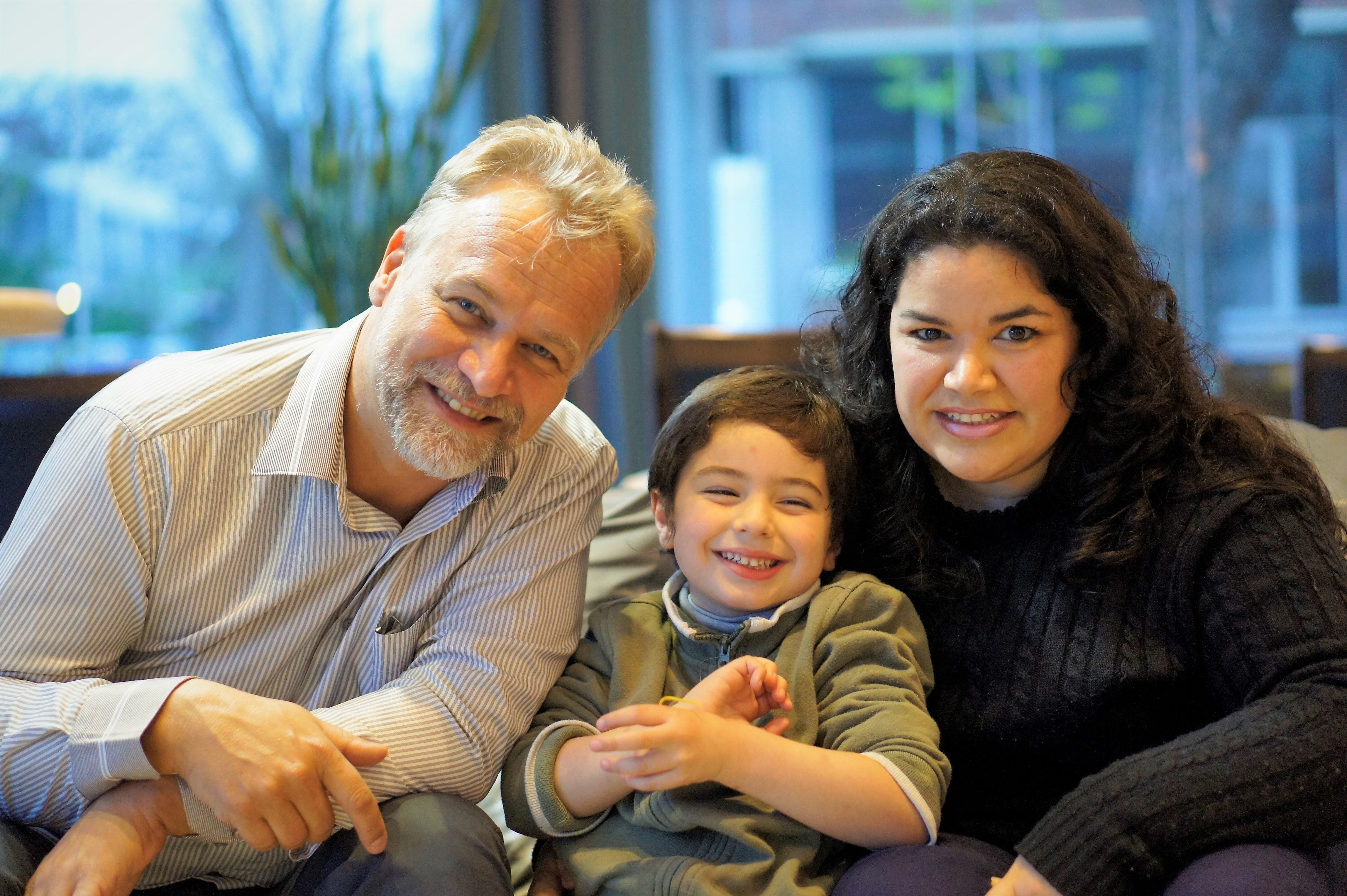
A Personal Discovery and Breakthrough
In 2011, my nephew’s diagnosis of severe, nonverbal autism introduced me to this condition. His mother attributed his gluten intolerance to celiac disease, but my investigation revealed otherwise. Examining a fresh stool sample under a microscope, I identified numerous parasites, prompting me to recommend enemas with Miracle Mineral Solution (MMS), as Chlorine Dioxide Solution (CDS) was unavailable at the time. Within weeks, my nephew—previously nonverbal, aggressive, self-injurious, exhibiting ataxia, flapping, and sleep difficulties—demonstrated rapid improvement. His Autism Treatment Evaluation Checklist (ATEC) score, initially exceeding 80 (indicating severe autism), dropped significantly.
This success led me to develop Protocol P, detailed in my book Forbidden Health. Jim Humble, an MMS advocate, connected me with Kerri Rivera, who operated an autism clinic in Mexico. Rivera adopted Protocol P, later incorporating additional variables, and achieved remarkable outcomes. Through global conferences, I shared how Protocol P and chlorine dioxide facilitated hundreds of children achieving full recovery, with ATEC scores below 10, indicating no autism symptoms. These were severe, nonverbal cases, not high-functioning autism or Asperger’s, challenging the notion that autism is untreatable.
Images from children with reversal in 2014 at the Autism One Kongres in Chicago
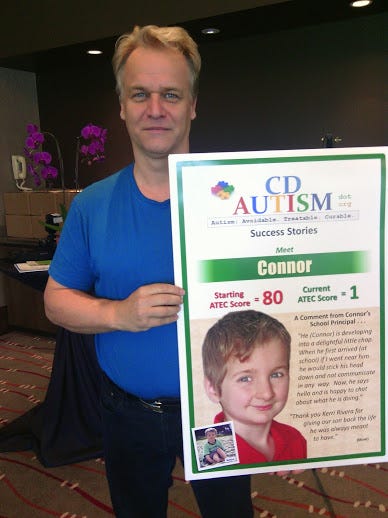
ATEC is a scoring system for autism
The ATEC (Autism Treatment Evaluation Checklist) scoring system is a tool designed to measure the effectiveness of treatments for individuals with autism spectrum disorder (ASD). It evaluates four key areas: Speech/Language/Communication, Sociability, Sensory/Cognitive Awareness, and Health/Physical/Behavior. The total score ranges from 0 to 179, where lower scores indicate minimal or no autism symptoms and higher scores correspond to more severe autism:
0–30: None or very mild autism
31–50: Mild autism
51–80: Moderate autism
81 and above: Severe to very strong autism
Asperger syndrome would generally fall within the low to moderate range, roughly around 30 -50. This scoring helps caregivers and clinicians monitor changes over time and adjust interventions accordingly, providing a practical way to assess treatment outcomes.
The Dire Consequences of Inaction
Severe autism, if unaddressed, can lead to catastrophic outcomes. A poignant example involves a mother who, hesitant to implement enemas, faced dire consequences with her 16-year-old son. His aggression escalated, nearly causing a fatal car accident by seizing her throat while she drove. Institutionalized, he was subjected to heavy medications, resulting later in severe liver and kidney damage. The institution later proposed a lobotomy, leaving him wheelchair-bound, nonverbal, and generating $3,000 monthly for the care-facility with no recovery prospect for life.
This underscores a harsh reality: without intervention, severe autism can lead to institutionalization, pharmacological suppression, and irreversible harm, robbing individuals of any meaningful future.
Uncovering the real Autism’s Causes
The Vaccine Trigger
A survey of approximately 2,000 parents in my network revealed that 80% associated their children’s autism onset or exacerbation with vaccinations, particularly the Measles-Mumps-Rubella (MMR) vaccine or multiple simultaneous shots. One couple reported their child, fluent in three languages, became nonverbal post-vaccination, deteriorating daily. Most of the other 20% cited maternal amalgam mercury fillings, vaccinations during pregnancy, or perinatal oxygen deprivation. Autism prevalence has surged from 1 in 10,000 in the 1980s to 1 in 22 in some regions today, coinciding with the U.S. vaccine schedule’s expansion to 92 doses by adolescence.
Vaccines do cause autism ? video link

At my age 64, I recall no autism in my generation, undermining claims of a solely genetic etiology. Genetics is generally known to be a great bogus excuse in Medicine. Environmental triggers, notably vaccines, appear to play a critical role.
The Biological Mechanism: A Step-by-Step Explanation
Drawing from Dioxipedia.com, parental observations, and scientific literature, the biological mechanism of autism initiates in the brain and progresses to systemic dysfunction, particularly impacting the gut. This cascade, often triggered by environmental insults like vaccinations, unfolds through a tightly linked sequence of physiological disruptions, supported by emerging research and clinical observations:
Neuroinflammatory Trigger (Chronic Encephalitis): In susceptible children, environmental insults, such as the MMR vaccine, may induce chronic low-grade encephalitis, a persistent neuroinflammatory state. This involves activation of microglia, the brain’s immune cells, and release of pro-inflammatory cytokines (e.g., IL-6, TNF-α), which compromise the blood-brain barrier (BBB). Studies, such as Vargas et al. (2005), have identified microglial activation and neuroinflammation in post-mortem brain tissue of autistic individuals, supporting this step. Early symptoms include sensory hypersensitivities, particularly to noise, which parents frequently report as an initial sign, often dismissed by clinicians as non-specific.
Vagus Nerve Dysregulation: The neuroinflammatory process extends to the vagus nerve, the primary conduit of the brain-gut axis, which regulates autonomic functions, including digestion, heart rate, and immune responses. Inflammation impairs vagal signaling, disrupting the cholinergic anti-inflammatory pathway, a mechanism that normally dampens systemic inflammation (Pavlov & Tracey, 2012). This leads to autonomic dysregulation, manifesting as behavioral symptoms like aggression, repetitive movements (e.g., flapping), and sensory processing deficits. The vagus nerve’s role in bidirectional brain-gut communication makes its dysfunction a pivotal link in autism’s progression.
Systemic Inflammatory Propagation: Vagal inflammation propagates immune dysregulation to peripheral organs, notably the thyroid and gastrointestinal tract. This systemic spread disrupts endocrine and digestive homeostasis, creating a feedback loop that amplifies inflammation. The vagus nerve’s role in modulating systemic immunity is critical, and its dysfunction exacerbates inflammatory responses, a phenomenon observed in autism.
Thyroid Dysfunction and Hypochlorhydria: Inflammation affects the thyroid, suppressing myeloperoxidase production, an enzyme critical for thyroid hormone synthesis and antimicrobial defense. This impairs thyroid function, reducing gastric hydrochloric acid (HCl) secretion, essential for protein digestion and pathogen sterilization. Hypochlorhydria, a state of low stomach acid, is common in chronic inflammatory conditions and has been linked to gastrointestinal dysfunction in autism (Adams et al., 2011). Insufficient HCl compromises the stomach’s ability to neutralize ingested pathogens, setting the stage for intestinal dysbiosis.
Intestinal Dysbiosis and Biofilm Formation: Low HCl allows opportunistic pathogens, such as Pseudomonas aeruginosa and unicellular parasites, to survive gastric transit and colonize the intestines. P. aeruginosa produces rhamnolipids, a glycolipid component of biofilms, which forms a protective mucus-like shield in the intestinal lumen. This biofilm, often mistaken for parasites in early observations, fosters a pathogenic microenvironment resistant to immune clearance and antibiotics. Research on gut dysbiosis in autism, such as Finegold et al. (2010), identifies altered microbial profiles, including elevated Clostridium and Pseudomonas species, correlating with symptom severity.
Toxic Metabolite Accumulation: Pathogenic overgrowth generates neurotoxic metabolites, notably ammonia, leading to hyperammonemia. Elevated ammonia disrupts glutamatergic and GABAergic neurotransmission, causing neurological symptoms like ataxia, tremors, flapping, and agitation—hallmarks of severe autism. Studies link ammonia toxicity to neurological dysfunction (Shaw, 2010), with symptoms closely mirroring autism’s behavioral profile. Other microbial byproducts, such as lipopolysaccharides (LPS), further exacerbate neuroinflammation via the gut-brain axis, as evidenced by increased gut permeability in autistic individuals (de Magistris et al., 2010).
Dietary Exacerbation and Opioid Peptide Formation: Impaired digestion results in incomplete breakdown of dietary proteins, particularly casein (from dairy) and gluten. Casein is metabolized into beta-casomorphins, opioid peptides that cross the compromised BBB, binding to mu-opioid receptors and disrupting neurological function. Gluten-derived gliadins similarly trigger inflammation, exacerbating gut permeability (“leaky gut”). Artificial additives, such as synthetic food colorings, further amplify inflammation, as noted in studies linking dietary toxins to behavioral changes (McCann et al., 2007). These compounds intensify autism symptoms, particularly in children with compromised digestion.
Speech Impairment via Laryngeal Dysfunction: Vagus nerve inflammation affects the recurrent laryngeal nerve, a vagal branch controlling throat muscles essential for speech articulation. This mechanical impairment hinders phonation, leading to nonverbal states in previously verbal children. Parental reports on Dioxitube.com describe children losing speech post-vaccination, with frustration manifesting as aggression due to inability to communicate. Over time, some children adapt to minimal vocalizations (e.g., grunting), while others develop compensatory behaviors, complicating recovery.
Parasitic Amplification of Toxicity: Secondary parasitic infections significantly exacerbate the toxic burden in the dysbiotic gut. Parasites, such as protozoa or small helminths, thrive in the low-acidity, biofilm-protected intestinal environment, releasing additional neurotoxic metabolites that compound systemic toxicity. These include ammonia, organic acids, and other byproducts that further disrupt neurological function, intensifying symptoms like ataxia, tremors, and repetitive behaviors. Research on gut microbiota in autism, such as that reviewed by Dioxipedia.com, indicates that parasitic infections, though not the primary cause, contribute to the inflammatory and toxic load. For example, studies like Finegold et al. (2010) note elevated pathogenic microbial populations in autistic children, which can include protozoal species. Parental observations, including my initial findings of parasites in my nephew’s stool, align with reports on Dioxitube.com, where families note significant symptom improvement following parasite-targeted interventions. The presence of parasites amplifies the gut-brain axis dysfunction, as their metabolites cross the compromised BBB, further aggravating neuroinflammation and behavioral symptoms.
Chronic Feedback Loop: The interplay of neuroinflammation, vagal dysfunction, thyroid impairment, gut dysbiosis, and toxic accumulation creates a self-reinforcing cycle. This chronic state sustains autism symptoms, including self-injurious behaviors, repetitive movements (e.g., rocking, tiptoeing), and sleep disturbances. The gut-brain axis, mediated by vagal signaling and microbial metabolites, perpetuates this cycle, underscoring the need for interventions targeting both neurological and gastrointestinal systems.
This mechanism, grounded in the brain-to-gut progression, is supported by emerging research on neuroinflammation, gut dysbiosis, and the gut-brain axis, as well as clinical observations of symptom resolution following detoxification and dietary interventions.
Protocol P: A Proven Recovery Path
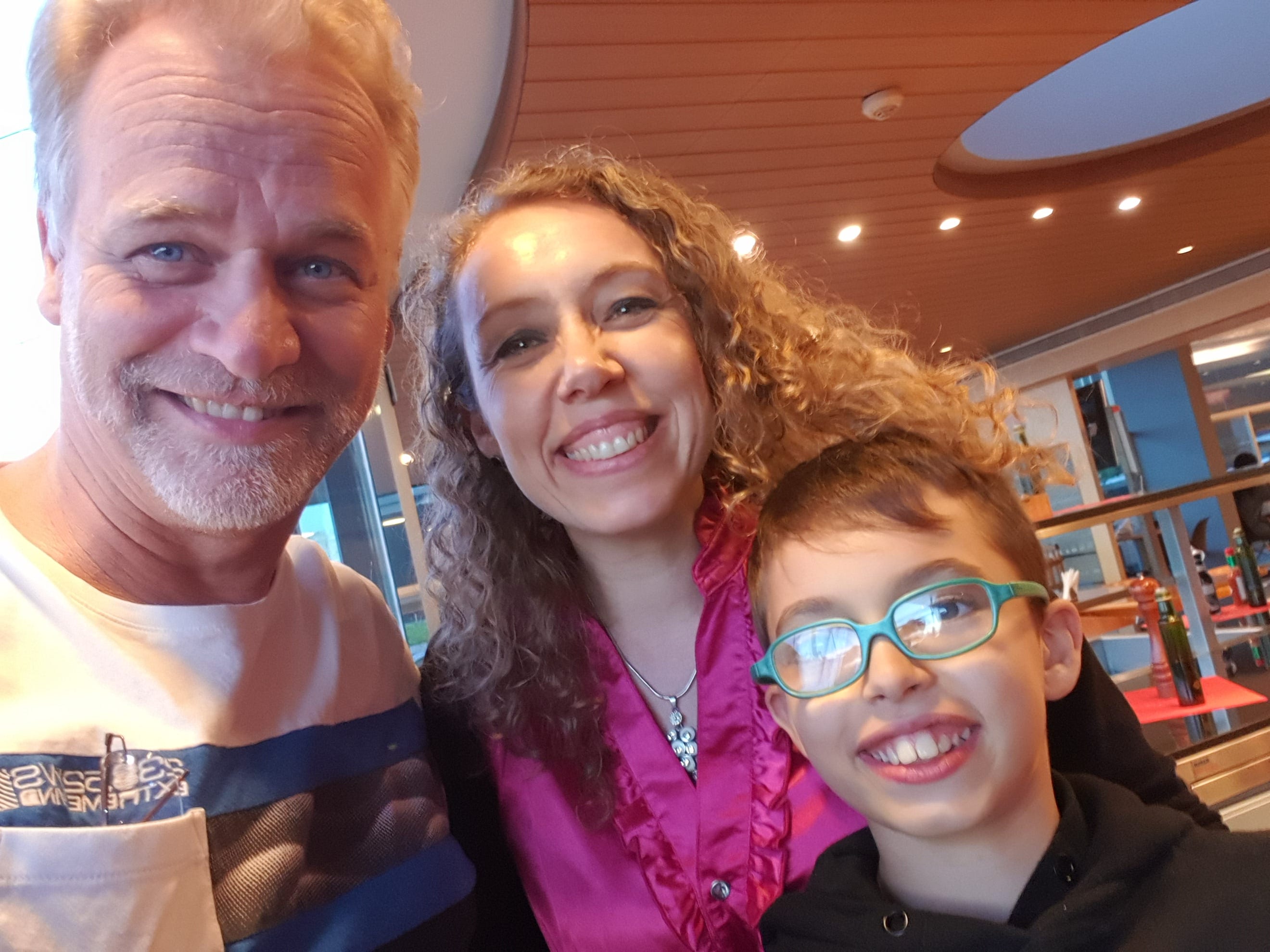
3 cases of total remission in Uruguay
1. Facundo from Uruguay recovered
Note: for subtitles in your language press CC and select you language in the wheel on the right.

Protocol P, which we developed, has led to hundreds of children, including my nephew, achieving full recovery with no trace of autism. The protocol comprises:
1. Rigorous Dietary Intervention
A strict gluten-free, casein-free diet eliminates inflammatory triggers. Casein forms casomorphins, exacerbating neurological symptoms, while gluten and artificial additives (e.g., synthetic colorings, preservatives) inflame the gut and brain. Even minor exposures, such as a single M&M or a hidden gluten source at school, can trigger days-long behavioral regressions, including aggression or withdrawal. Parents must scrutinize food labels and environments, as grandparents or peers may inadvertently introduce triggers. A 2024 Food for the Brain case study reported twins reversing autism through a gluten-free, casein-free diet supplemented with omega-3, vitamin D, and zinc, validating dietary efficacy. Compliance is critical, as deviations can reset months of progress.
2. Chlorine Dioxide (MMS/CDS)
Chlorine dioxide, administered as MMS or CDS, acts as a selective oxidant to neutralize pathogens and dissolve intestinal biofilms harboring toxins. At low, controlled doses (e.g., 10-30 ppm for CDS), it targets anaerobic bacteria and parasites without harming beneficial flora, restoring gut homeostasis. Parents on Dioxitube.com report expelling large quantities of mucus-like biofilm, initially mistaken for parasites, correlating with reduced ATEC scores and improved behaviors (e.g., increased eye contact, reduced flapping). A 2014 testimony documented a 20-year-old dropping from an ATEC score of 51 to 6 after two years, achieving full recovery, including mainstream schooling. Dioxipedia.com notes that chlorine dioxide’s mechanism involves oxidizing microbial cell walls, disrupting their survival in the gut. Despite warnings from the National Autistic Society and FDA, no peer-reviewed studies document harm at therapeutic doses; claims of toxicity often cite industrial concentrations, not medical protocols. Parental reports indicate 1-2 years of consistent use, with daily enemas or oral doses, yields significant detoxification, with some children expelling biofilm for months before stabilization.
3. Parasite Cleansing
Secondary parasitic infections exacerbate autism symptoms by increasing gut toxicity. Protocol P incorporates antiparasitic agents (e.g., mebendazole, herbal extracts like black walnut) and chlorine dioxide enemas to target protozoa and small helminths. Parents report expelling parasitic material and biofilm, correlating with reduced ammonia levels and symptoms like ataxia or aggression. A 2015 Dioxitube.com testimony described a nonverbal child regaining speech after three months of parasite cleansing, with ATEC scores dropping from 75 to 20. Research, such as Finegold et al. (2010), supports the role of gut pathogens in autism, noting altered microbial profiles. Cleansing requires consistent administration (e.g., weekly enemas for 6-12 months), as parasites can persist in biofilms, prolonging recovery if not addressed. Parents must monitor stool for clearance and adjust protocols under guidance from experienced groups.
4. Unwavering Discipline and Community Support
Recovery demands relentless discipline from parents, who must enforce dietary restrictions, administer daily protocols, and monitor progress meticulously. Even minor lapses—such as a child stealing gluten-containing snacks at school or a caregiver overlooking artificial additives—can trigger regressions, undoing weeks of progress. Social networks, particularly Telegram groups, are vital, where mothers who recovered their children mentor others, sharing practical strategies (e.g., preparing safe meals, managing enema resistance). Each recovered family is encouraged to guide at least three others, fostering a self-sustaining support system. A 2016 Dioxitube.com report highlighted a mother’s innovation of using flavored CDS to improve compliance, reducing her child’s ATEC score from 90 to 15 in 18 months. Discipline extends to lifestyle, ensuring toxin-free environments (e.g., avoiding processed foods, chemical exposures). This collective effort, rooted in love and persistence, is essential for navigating the 1-2 year recovery timeline.
5. Ceasing Vaccinations
Given the reported link between vaccinations and autism onset in 80% of surveyed parents, halting further vaccinations is a cornerstone of Protocol P. Parents consistently report symptom exacerbation post-vaccination, such as loss of speech or increased aggression, particularly after MMR or multi-vaccine doses. For example, a Dioxitube.com testimony described a child regressing to nonverbal status within days of a vaccine booster, with recovery only after stopping vaccinations and starting Protocol P.
While mainstream medicine disputes this link, the temporal association and parental observations, combined with the absence of widespread autism in older generations, support caution. Ceasing vaccinations prevents additional inflammatory triggers, allowing the body to focus on detoxification and healing. Parents are advised to research exemptions and consult Telegram groups for legal and practical guidance.
Overcoming Opposition
My advocacy for recovery faced significant resistance, including detention at an Ibiza conference for discussing chlorine dioxide, later dismissed under free speech protections. An autism asociation was responsable The National Autistic Society and FDA warn against chlorine dioxide, citing potential harm and lack of trials, yet provide no evidence of harm at therapeutic doses, and Mainstream press (calling themselves “the truth”!) simply lies. Pharma pays their bills, and a lifelong patient is a blockbuster.
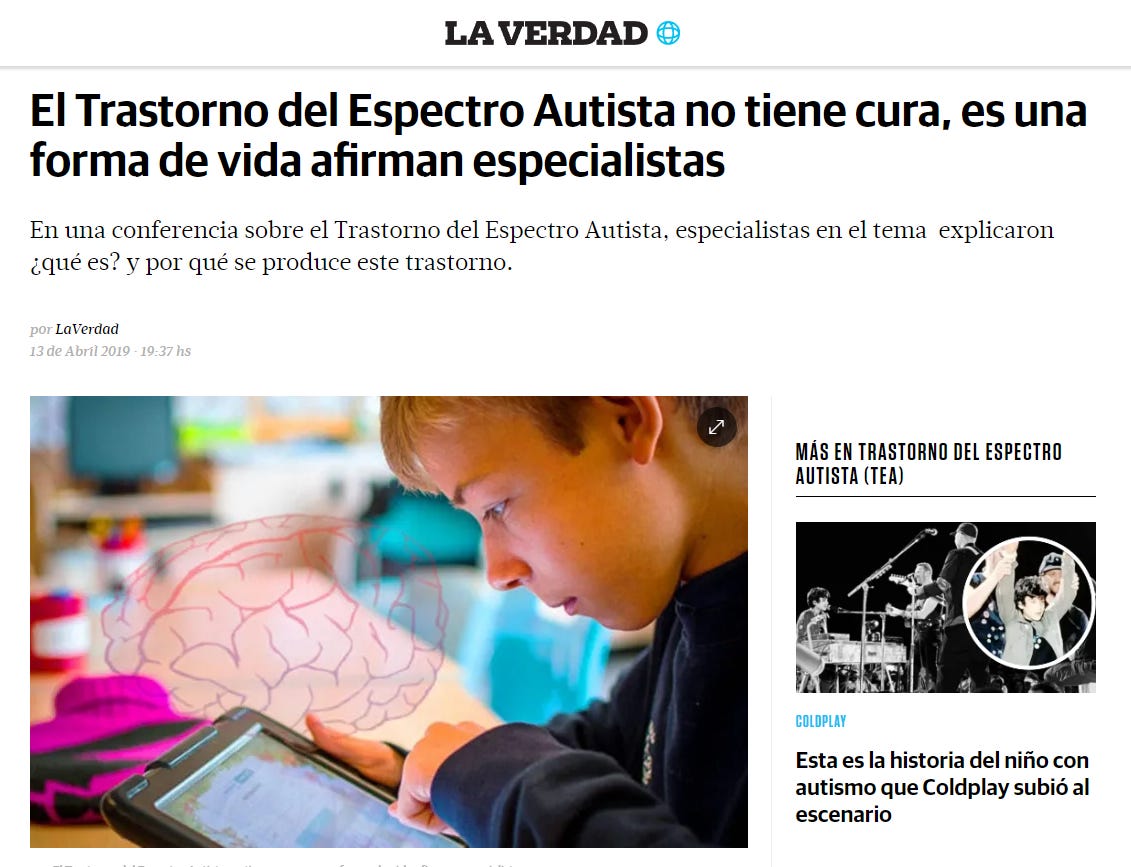
( “The Truth” a media outlet claims there is no cure for autism refering to “specialists”)
Their suppression mirrors cancer associations profiting from affected individuals, prioritizing financial interests over recovery. Despite this, hundreds of children have fully recovered, verified by ATEC scores and Dioxitube.com testimonies, with no residual autism symptoms.
Addressing Criticisms
No other disease has generated such a fierce backlash against me as autism. The reason is clear: the evidence demonstrating that CDS (chlorine dioxide solution) can enable recovery from autism is solid and transformative, challenging long-held beliefs and paradigms in medicine. This generates resistance because it threatens established frameworks and interests, yet the scientific and clinical results speak for themselves.
CDS works by restoring the electromagnetic balance and cellular energy in the body, which is crucial in autism spectrum disorders. This breakthrough offers hope where conventional treatments have largely failed, explaining why opposition is so intense despite the clear benefits observed.
Some argue autism is a neurodivergent trait, not a disease. While valid for high-functioning cases, severe autism—nonverbal, aggressive, self-injurious—severely impairs quality of life. Protocol P, combined with an adequate diet, alleviates these debilitating symptoms, enabling children to thrive.
The absence of clinical trials reflects ethical and practical challenges, not the protocol’s inefficacy. Many hundreds of documented full recoveries challenge dismissive narratives.
Here a video of a former non verbal child with autism after remission (spanish).
Conclusion
Hundreds of children, including my nephew, have fully recovered from severe autism using Protocol P, exhibiting any trace of the former condition. By addressing neuroinflammation, vagus nerve dysfunction, gut dysbiosis, and toxic overload through diet, chlorine dioxide, and parasite cleansing, parents can transform their children’s lives.
Inaction risks institutionalization, heavy medication, and irreversible harm, as seen in tragic cases. Recovery demands discipline, love, and community support from parent networks.
Note: I do not offer personal autism consultations; parents should seek Telegram groups for guidance and support.
More info and a recovey guide: https://es.scribd.com/document/673554464/Autism-Recovery-Guide-for-Parents-Kerri-Rivera-June-2023-Updated
My mission here is to inform the world: autism can be cured, and every child deserves a chance at recovery. Visit Dioxipedia.com and Dioxitube.com for resources, and take health into your own hands.
My personal website:
I appreciate you being here.
If you've found the content interesting, useful and maybe even helpful, please consider supporting it through a small paid subscription. While 99% of everything here is free, your paid subscription is important as it helps in covering some of the operational costs and supports the continuation of this independent research and journalism work. It also helps keep it free for those that cannot afford to pay.
Please make full use of the Free Libraries.
Unbekoming Interview Library: Great interviews across a spectrum of important topics.
Unbekoming Book Summary Library: Concise summaries of important books.
Stories
I'm always in search of good stories, people with valuable expertise and helpful books. Please don't hesitate to get in touch at unbekoming@outlook.com
Baseline Human Health
Watch and share this profound 21-minute video to understand and appreciate what health looks like without vaccination.
So when I mentioned to my children's pediatrician, who I let vaccinate my children, that maybe to address my sons flapping, humming and my other's son's ADHD we could look at their gut, and he flew into a rage and started screaming "it's all fake! Fake internet doctors ! Kennedy lies! It's all lies!, and runs out of the room, that maybe he was wrong. My pediatrician of 20 years is a tad bit touchy about this subject. I told my son after the doctor left the room, "that is what guilt looks like."
There are parent groups reversing severe autism with dietary changes that cause detoxification. A special diet with no use of CDS is curing non-verbal autism.
Genetics does play a role in who gets autism. Those with gene variants like mthfr have inefficient detox processes and when they become exposed to metals like the neurotoxic aluminium in vaccines they become hypersensitive to them. This can be tested for. If I’m exposed to aluminium in get adhd symptoms. Removing the aluminium reverses the symptoms. It’s quite simple really. Detoxing the aluminium from the body reverses the hypersensitivity and cures severe autism or adhd. There’s a community on Facebook called SpectrumABLE who are having great success with using foods that have the ability to detox aluminium from the body to reverse severe non verbal autism. They use a diet called the Gaps diet.