

In the late 1980s, a seismic shift in medical policy set the stage for an unfolding public health crisis. The 1986 National Childhood Vaccine Injury Act shielded vaccine manufacturers from liability, transforming American children into subjects of an uncontrolled experiment with a rapidly expanding vaccine schedule—from 3 vaccines requiring 7 injections to 19 vaccines demanding 76 injections by 2025. This escalation coincided with a staggering rise in autism rates, from 1 in 2,500 in the 1980s to 1 in 31 among vaccinated children today. Far from a genetic enigma, autism, or what I believe should be termed vaccine-induced encephalitis, reflects a preventable environmental assault, with vaccination as the primary driver. This conviction stems from the work of many, including the one and only Toby Rogers, a singular voice in the fight against what I call The Great Poisoning, whose recent articles—Mapping the Entire Field of Autism Causation Studies in One Article and Nearly Everything That We’ve Been Told About Genes and Autism Is Wrong—expose the genetic narrative as a carefully constructed distraction.
They have buried autism’s true cause beneath billions in misdirected research.
This genetic cover story, as explored in Epidemic Denial, thrives on a refusal to acknowledge the environmental triggers—chiefly vaccines—that drive autism’s epidemic rise. Since the 1990s, researchers have spent over $2 billion chasing elusive “autism genes,” producing 850 studies that, as Rogers notes, yield no actionable treatments. The 2011 California twin study, for instance, revealed that genetics explains at most 38% of autism cases, with environmental factors dominating at least 62%. Yet, studies like CHARGE and MARBLES, which probe pesticides and air pollution, systematically exclude vaccines as a variable, rendering their findings unreliable. This omission is no accident but a consequence of a captured research ecosystem, where, as Anne Dachel recounts in Interview with Anne Dachel, “the system is rigged” to protect pharmaceutical interests. Parents, however, have long observed regressions following “well baby” vaccine visits, a pattern Sally Ozonoff’s 2018 study confirms in up to 88% of autism cases. These eyewitness accounts, echoed in Refrigerator Mother, were once dismissed as maternal failure, a cruel precursor to today’s genetic misdirection. The scale of this cover-up, a crime against humanity too vast for many to fathom, demands we confront the obvious: vaccines, not genes, fuel this epidemic.
My journey into this issue, reflected in Ending Autism and Real Autism Science, has solidified my belief that parents, not institutions, will lead the charge for truth. While I differ with Rogers on viruses and virology, I fully support his most important vaccine and autism work, that illuminates a path forward: policy reforms to eliminate liability shields, enforce rigorous vaccine safety testing (which means they would all fail basic safety testing), and reduce toxic exposures could halt autism’s rise. Studies comparing vaccinated and unvaccinated children, like those by Mawson and Hooker, reveal autism risks soaring 3- to 18-fold with vaccination, particularly when combined with factors like C-sections or lack of breastfeeding. Yet, as argued in 10 Reasons I Will Never Get Another Vaccine, the medical establishment’s denial persists, propped up by flawed studies lacking unvaccinated controls. “The science is settled,” they claim, but the data tell a different story—one of deliberate omission and institutional betrayal. This summary builds on Rogers’ amazing work to map the autism research landscape, exposing why 850 studies evade the truth and how we might stop this man-made disaster.
With thanks and gratitude to Toby Rogers.

Mapping the entire field of autism causation studies in one article
Nearly everything that we've been told about genes and autism is wrong
Analogy
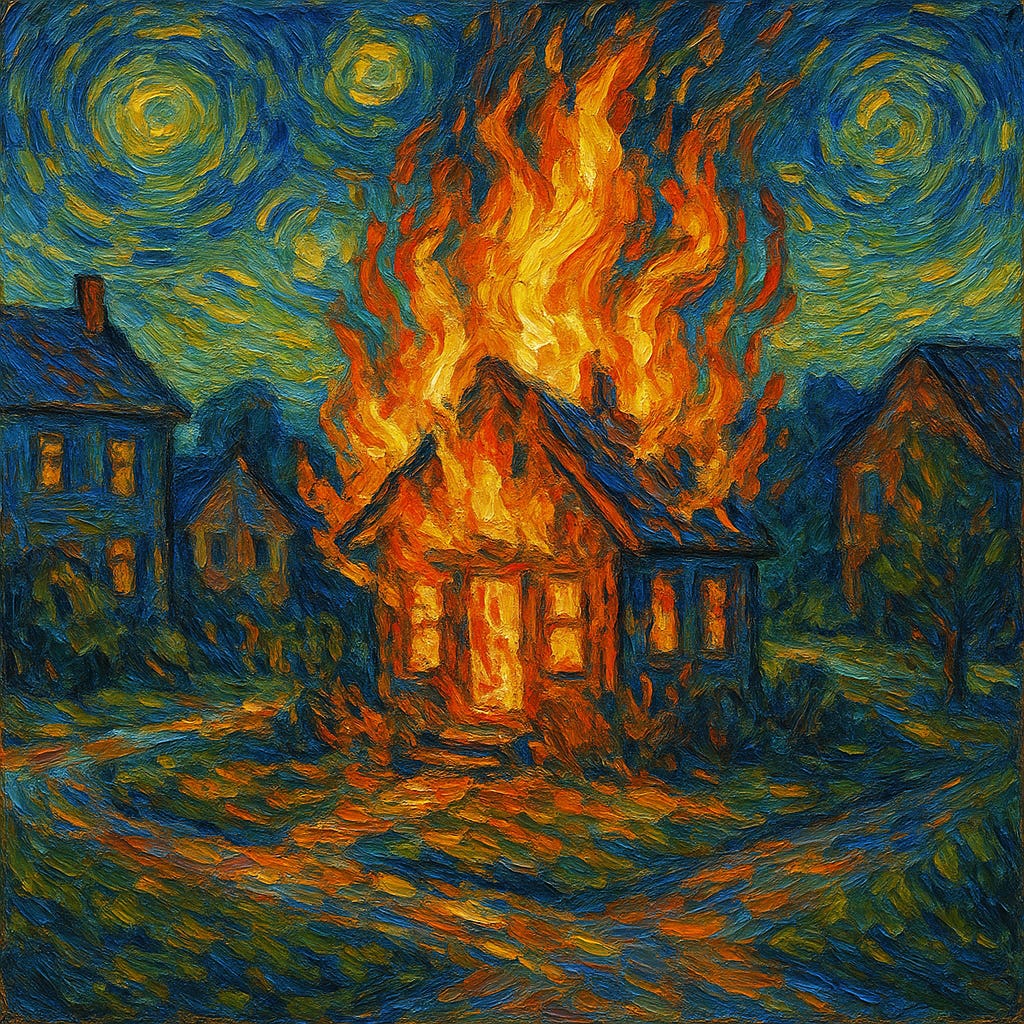
The Burning House Analogy
Imagine a neighborhood where houses have been catching fire at an alarming rate since the 1990s. The fire department, instead of looking for the actual cause of the fires, splits into three main investigation teams:
Team 1 (The Arson Deniers) insists there's no arsonist and conducts 22 "studies" to prove it. But their method is fundamentally flawed - they compare houses that burned from gasoline fires to houses that burned from kerosene fires, never bothering to compare burned houses to houses that were never exposed to any accelerant at all. When critics point out this obvious flaw, they're told "the science is settled" and banned from fire department meetings.
Team 2 (The Genetic Detectives) spends $2 billion looking for a "fire gene" that makes some houses spontaneously combust. They study the molecular structure of wood, the family history of houses, and create massive databases of lumber genetics. After decades of research producing zero useful results, they announce they're looking for "fire dark matter" - invisible genetic material that must exist even though they can't find it. Meanwhile, the houses keep burning.
Team 3 (The Environmental Scientists) actually study real fire hazards like faulty wiring, gas leaks, and overloaded outlets. They produce hundreds of papers showing these hazards increase fire risk. But there's one catch - they're forbidden from mentioning the gasoline truck that drives through the neighborhood every few months, dousing every house with accelerant. They know about the truck, have documentation of its route and timing, but studying it would end their careers. So they measure everything except the most obvious cause.
Meanwhile, the homeowners notice that houses in neighborhoods without the gasoline truck rarely burn (1 in 715), while houses that get doused burn at alarming rates (1 in 31). When they try to share this information, they're dismissed as "anti-fire-safety extremists." Some families move to neighborhoods without the truck and watch their fire risk plummet. Others who can't move find ways to protect their houses after dousing and occasionally succeed in preventing fires.
The real tragedy is that this isn't actually a mysterious epidemic requiring decades of research - it's a man-made disaster that could be stopped immediately by simply not dousing houses with gasoline. But the gasoline company has liability protection, makes billions in profit, and funds the fire department's research budget. So the fires continue, the studies multiply, and the children... I mean houses... keep burning.
The central message is that autism isn't a mysterious genetic puzzle requiring more research funding - it's a preventable environmental disaster caused by a toxic medical intervention that could be stopped through simple policy changes, if only we had the courage to look at the obvious cause instead of funding elaborate investigations into everything except the gasoline truck driving through our neighborhoods.
12-point summary
1. The 1986 Vaccine Liability Shield Created an Uncontrolled Experiment: The National Childhood Vaccine Injury Act gave vaccine manufacturers complete liability protection after they were routinely losing court cases for vaccine injuries. This removed all market incentives for safety while enabling unlimited expansion of the vaccine schedule from 3 vaccines (7 shots) to 19 vaccines (76 shots) with no one measuring the cumulative health impact. The manufacturers promised to make vaccines safer but had no legal obligation to do so, turning America's children into subjects in a massive uncontrolled experiment with toxic substances like mercury and aluminum that were approved with minimal or no safety testing.
2. The Autism Epidemic Coincides Precisely with Vaccine Schedule Expansion: Autism rates skyrocketed in the 1990s and have continued rising ever since the vaccine schedule expansion, along with parallel increases in ADHD, allergies, autoimmune disorders, asthma, childhood cancers, diabetes, and epilepsy. This represents a genuine epidemic affecting multiple body systems rather than better diagnosis, since genetic conditions cannot cause epidemics - the human genome doesn't change fast enough to explain such rapid increases in disease prevalence across diverse conditions that all share the common exposure of dramatically increased vaccination.
3. Studies Claiming Vaccines Don't Cause Autism Are Scientifically Invalid: The 22+ studies cited by health authorities as proof that vaccines don't cause autism all suffer from fatal methodological flaws, primarily the complete absence of proper unvaccinated control groups. Even though randomized, double-blind, placebo-controlled trials are the gold standard of medical research, none of these vaccine safety studies used true placebos, instead comparing one vaccine to another or to adjuvant-containing "placebos." This systematic avoidance of proper scientific methodology, combined with documented conflicts of interest among researchers, renders the entire foundation for claiming vaccine safety scientifically worthless.
4. Two Billion Dollars Spent Searching for Autism Genes Found Nothing Useful: Despite massive investments including Jim Simons' $300+ million and numerous large-scale genetic studies involving hundreds of thousands of participants, genetic research has produced zero breakthroughs in understanding autism causation or developing treatments. The comprehensive 2011 California twin study definitively showed that genetics explains at most 38% of autism cases (likely much less), meaning at least 62% is environmental. When genetic studies repeatedly failed to find "autism genes," researchers invented the concept of "genetic dark matter" to keep funding flowing, essentially arguing that genes must exist even though they cannot be found, measured, or proven.
5. Environmental Studies Are Compromised by Excluding Vaccine Variables: Large-scale environmental studies like CHARGE, MARBLES, SEED, and EARLI have spent decades and millions of dollars studying toxicants like pesticides, air pollution, and heavy metals, producing hundreds of publications but no major breakthroughs. Despite having access to vaccination data, none of these studies control for vaccine exposure as a confounding variable because researchers know that including vaccines would immediately end their careers and funding. This omission renders all their conclusions unreliable since they cannot measure the relative impact of environmental chemicals without accounting for the potentially much larger toxic exposure from 76 vaccine injections.
6. Vaccinated vs. Unvaccinated Studies Show Devastating Results: Six high-quality studies directly comparing vaccinated to unvaccinated children consistently show 3-8 fold increases in autism risk from vaccination, with the most shocking findings being 18.7-fold increased risk for children who are vaccinated and delivered by C-section, 12.5-fold increased risk for vaccinated children who weren't breastfed, and 14.5-fold increased risk for vaccinated preterm infants. The starkest comparison comes from Thomas and Margulis showing autism rates of 1 in 715 in unvaccinated children versus 1 in 31 in vaccinated children - a more than 23-fold difference that should have immediately halted the vaccination program.
7. Autistic Regression Proves Environmental Causation: Sally Ozonoff's brilliant 2018 study showed that up to 88% of autism cases involve autistic regression - children developing normally then suddenly losing eye contact, speech, and social abilities over hours, days, or weeks. This pattern is incompatible with genetic causation since genes don't suddenly turn on and off, but perfectly consistent with acute toxic exposure. Hundreds of thousands of parents provide eyewitness testimony that these regressions occurred immediately following "well baby" vaccine appointments, representing the strongest possible evidence for environmental causation of autism.
8. The Genetic Theory of Disease Has Collapsed Scientifically: Modern genetics research has completely overturned the simplistic Mendelian model of genes as "blueprints" that directly cause traits. Leading geneticists now understand DNA as a "warehouse" of resources that cells can use differently depending on environmental context, with the same genetic sequence producing entirely different outcomes in different bodies. John Ioannidis showed that only 1/10th of 1% of genetic association studies are replicable, while the failure to find genes for major diseases despite massive investment has led honest researchers to conclude that most disease is essentially environmental in origin.
9. Research Funding Serves Industry Profits Rather Than Public Health: The biotechnology industry spends $8 million annually on lobbying and has successfully captured research funding, with genetics research consuming the vast majority of autism research dollars despite repeated failures. This misallocation serves the financial interests of biotech companies and universities while preventing research into environmental causes that might threaten powerful industries. The result is an entire research establishment that produces hundreds of publications without advancing actual understanding or treatment, while parents spend their limited resources funding the few independent studies that produce actionable results.
10. Parents Are Leading Treatment Discoveries While Medicine Fails: While conventional medicine offers no effective treatments for autism, parents using holistic and alternative approaches have achieved recovery in some children by treating autism as a systemic health problem rather than a fixed genetic condition. Martha Herbert's research shows evidence shifting from autism as a genetically determined static brain condition to a dynamic systems disturbance affecting both brain and body, with clinical observations of improvement and recovery indicating that autism may be more of an "encephalopathy" or obstruction of brain function that can potentially be overcome through addressing underlying health problems.
11. Current Research Violates Basic Scientific and Ethical Principles: The systematic exclusion of vaccine variables from environmental studies represents scientific fraud through deliberate omission of the most likely causal factor. Studies like MARBLES that follow high-risk families through subsequent pregnancies without providing informed consent about vaccine dangers violate the Hippocratic Oath, Declaration of Helsinki, and Nuremberg Code. The circular reasoning that assumes vaccines are safe and therefore doesn't test them against proper controls represents a fundamental corruption of the scientific method driven by financial rather than scientific considerations.
12. Immediate Policy Changes Could Stop the Autism Epidemic: The evidence clearly shows that autism is primarily caused by the toxic assault of 76 vaccine injections combined with environmental toxicants, and is therefore preventable through policy changes. Implementing science-based vaccination with proper safety testing, removing manufacturer liability protection, reducing environmental toxin exposures, supporting breastfeeding, and minimizing unnecessary medical interventions like C-sections could dramatically reduce autism rates. The current system represents the largest iatrogenic disaster in medical history, but unlike genetic conditions, environmental causation means the epidemic can be stopped through immediate policy reforms that prioritize children's health over pharmaceutical industry profits.
50 Questions and Answers
Question 1: What was the 1986 National Childhood Vaccine Injury Act and how did it change vaccine manufacturer liability?
Answer: In the early 1980s, vaccines were so harmful that vaccine manufacturers routinely lost in court when parents sued for vaccine injuries. The financial liability from these lawsuits threatened the vaccine industry's profitability, so manufacturers lobbied the U.S. Congress to pass the 1986 National Childhood Vaccine Injury Act, which gave them comprehensive liability protection from vaccine injury lawsuits.
The manufacturers made a promise to make vaccines safer in exchange for this liability protection, but there was no legal mechanism in the bill to enforce that promise, so they never actually improved vaccine safety. Instead, pharmaceutical companies proceeded to add as many vaccines as possible to the childhood schedule, knowing they could not be held legally accountable for injuries. This liability shield fundamentally changed the vaccine industry's incentive structure, removing the market pressure to create safer products while enabling unlimited expansion of the vaccine schedule.
Question 2: How did the vaccine schedule change from 1986 to today in terms of number of vaccines and injections?
Answer: Prior to 1986, children received only 3 routine vaccines totaling 7 injections throughout their childhood. Today, the CDC's Maternal and Child & Adolescent vaccine schedules include 19 vaccines requiring 76 injections with 94 total doses of antigen. This represents more than a ten-fold increase in the number of injections children receive.
This dramatic expansion occurred because pharmaceutical companies were free to add whatever vaccines they wanted to the schedule after gaining liability protection, and regulators routinely approved them since the medical industry was captured by pharmaceutical interests. The gold rush mentality meant that vaccine manufacturers could continuously expand their market without legal consequences, leading to the massive increase in childhood vaccine exposures over a relatively short period of time.
Question 3: What are the main vaccine ingredients beyond antigens that cause concern, and how were they approved for use?
Answer: The two main concerning ingredients beyond antigens are mercury (in the form of thimerosal) and aluminum adjuvants. Mercury was grandfathered in as "Generally Recognized As Safe" because it was easier for regulators to do that than conduct actual safety testing. This meant that thimerosal never underwent proper safety studies before being used in vaccines given to infants and children.
Aluminum adjuvants were allowed with only minimal safety testing that involved just 1 man and 3 rabbits, with ever-moving goal posts for what constituted adequate safety data. The regulatory history of aluminum adjuvants demonstrates how pharmaceutical companies were able to introduce potentially harmful substances into vaccines with virtually no meaningful safety testing, relying instead on the captured regulatory system to approve their products regardless of the adequacy of safety data.
Question 4: What evidence exists that regulatory agencies were "captured" by the pharmaceutical industry?
Answer: Most regulators were essentially auditioning for jobs with pharmaceutical companies because that's where the money was, creating a revolving door between regulatory agencies and the industry they were supposed to oversee. Politicians depended on pharmaceutical donations for their re-election campaigns, making them unlikely to challenge industry practices. The mainstream news media received most of their revenue from pharmaceutical advertising, so they would never bite the hand that feeds them.
This capture was so complete that pharmaceutical companies invested heavily in public relations to lay siege to any remaining pockets of resistance to their influence. The result was a system where the regulators, politicians, and media were all financially dependent on the pharmaceutical industry, making independent oversight virtually impossible. The industry was free to add whatever ingredients they wanted to vaccines knowing they would all be approved because the entire system was captured mind, body, and spirit.
Question 5: How did autism rates change following the expansion of the vaccine schedule in the 1990s?
Answer: The autism rate skyrocketed in the 1990s and has continued to increase ever since the dramatic expansion of the vaccine schedule that followed the 1986 National Childhood Vaccine Injury Act. This increase coincided directly with the period when pharmaceutical companies began adding multiple new vaccines to the childhood schedule, taking advantage of their newly acquired liability protection.
The timing of this increase is particularly significant because it represents a genuine epidemic rather than simply better recognition or diagnosis of existing cases. The rate of increase has been so dramatic and consistent that it cannot be explained by genetic factors alone, since there is no such thing as a genetic epidemic - the human genome simply doesn't change that fast to account for such rapid increases in autism prevalence.
Question 6: What other childhood conditions increased alongside autism rates, and what might explain this pattern?
Answer: Rates of ADHD, life-threatening allergies, autoimmune disorders, asthma, childhood cancers, diabetes, and epilepsy all soared alongside autism rates during the same time period. These conditions are probably vaccine injuries as well, representing a broader pattern of childhood chronic illness that emerged following the expansion of the vaccine schedule.
This pattern suggests a common cause affecting multiple body systems rather than isolated genetic disorders appearing simultaneously by coincidence. The fact that these diverse conditions all increased together during the same period when vaccine exposures dramatically increased provides evidence for a systemic toxic exposure affecting children's developing immune, neurological, and metabolic systems rather than separate genetic epidemics occurring simultaneously.
Question 7: What are the 22 studies that claim to show no association between vaccines and autism?
Answer: Since 2000, more than twenty scientific studies have concluded that there is no association between vaccines and autism, with the most widely cited being studies by researchers like Fombonne & Chakrabarti (2001), Madsen et al. (2002 and 2003), Verstraeten et al. (2003), Andrews et al. (2004), and many others through Tozzi et al. (2009). Most of these studies claim no association between MMR or thimerosal-containing vaccines and autism.
These studies form the primary scientific basis that public health officials use to claim that vaccines do not cause autism. However, this conclusion is problematic because most of these papers claim no association between vaccines and autism even though the CDC's own internal research shows that both MMR and thimerosal-containing vaccines do indeed cause autism, as revealed in the 2014 statement from CDC scientist William Thompson and analysis of FOIA documents obtained from former CDC researcher Thomas Verstraeten.
Question 8: What are the main conflicts of interest and study design flaws identified in these 22 studies?
Answer: J.B. Handley documents the conflicts of interests and fatal flaws in study design for most of these papers on his website 14studies.com, revealing that the researchers involved had financial ties to vaccine manufacturers or regulatory agencies with vested interests in proving vaccine safety. More recently, studies like Hviid et al. (2019) have been shown to be fatally flawed, with the autism rate in their sample being more than 65% lower than in the general Danish population.
The most fundamental flaw is that none of these studies has a proper control group of unvaccinated children, which renders all of them scientifically invalid. Even though randomized, double-blind, placebo-controlled trials are considered the gold standard of biomedicine, none of the vaccine safety studies used proper control groups that might actually test whether vaccines cause autism. This systematic failure to use appropriate control groups means the entire body of research claiming vaccines don't cause autism is built on a foundation of flawed methodology.
Question 9: Why is the lack of proper unvaccinated control groups considered a fatal flaw in vaccine safety studies?
Answer: The failure to conduct proper double-blind randomized controlled trials with unvaccinated control groups renders all vaccine safety studies scientifically invalid because you cannot determine the safety of a medical intervention without comparing it to a true placebo group. The Informed Consent Action Network has documented how vaccine safety studies systematically avoid using proper control groups, instead comparing one vaccine to another vaccine or to an adjuvant-containing "placebo."
This methodological flaw is so fundamental that it invalidates the entire basis for the claim that vaccines do not cause autism. Without proper unvaccinated control groups, researchers cannot establish causation or rule out vaccine-induced harm. The absence of this basic scientific methodology suggests that the studies were designed to avoid finding a connection between vaccines and autism rather than to genuinely test for safety, representing a systematic failure of scientific rigor in vaccine safety research.
Question 10: Who is William Thompson and what did his 2014 statement reveal about CDC research?
Answer: William Thompson was a CDC scientist who made a statement in 2014 revealing that the CDC's own internal research actually showed that vaccines do cause autism, contradicting the public claims that vaccines are safe. His revelations exposed how the CDC had conducted research demonstrating links between vaccines and autism but had suppressed or manipulated these findings to support the official narrative that vaccines don't cause autism.
Thompson's statement was particularly significant because it came from within the CDC itself, representing insider knowledge of how the agency manipulated its own research data. Additionally, SafeMinds analysis of FOIA documents obtained from former CDC researcher Thomas Verstraeten, who later became a GSK executive, further confirmed that the CDC's internal research showed vaccines cause autism even while the agency publicly claimed the opposite. This evidence demonstrates that the CDC was aware of vaccine-autism connections but chose to cover them up rather than protect public health.
Question 11: What was the Autism Genetic Resource Exchange (AGRE) and what did it accomplish?
Answer: The Autism Genetic Resource Exchange (AGRE) was established in 1997 by the Cure Autism Now (CAN) foundation, a predecessor organization to Autism Speaks which later merged with CAN in 2007. AGRE collected genetic (DNA) and phenotypic (clinical, behavioral) data from 2,000 families with at least one member diagnosed with ASD and made the data freely available to qualified researchers globally.
This massive data collection effort led to the production of 169 scientific journal articles, but despite this substantial research output, AGRE produced no major breakthroughs that brought researchers any closer to understanding autism causation or treating autism symptoms. The failure of AGRE to produce meaningful results despite its comprehensive approach and substantial dataset demonstrates the fundamental limitations of genetic approaches to understanding autism, as all genetic studies fail in a similar fashion by looking for spurious associations rather than addressing actual causation.
Question 12: How much money did Jim Simons invest in autism genetic research and what were the results?
Answer: Jim Simons was a billionaire hedge fund manager with a daughter with autism who wanted to invest some of his wealth in addressing autism. Many of the top scientists in the country took advantage of him by telling him that autism was likely genetic, leading him to set up the Simons Foundation and spend over $300 million searching for the gene(s) for autism through various research initiatives.
Despite this massive investment, the Simons Foundation's genetic research efforts produced no major breakthroughs that brought researchers any closer to understanding autism causation or treating autism symptoms. The failure of such an enormous financial investment to yield meaningful results highlights how genetic research represents a misallocation of resources, with hundreds of millions of dollars spent on an approach that fundamentally misunderstands the nature of autism while producing no practical benefits for children with autism or their families.
Question 13: What is the Simons Simplex Collection (SSC) and how many families did it study?
Answer: The Simons Simplex Collection (SSC) was launched in 2007 by the Simons Foundation Autism Research Initiative (SFARI) as a project that gathered genetic, clinical, and behavioral information from approximately 2,600 "simplex" families - those with one child diagnosed with ASD, unaffected parents, and typically one unaffected sibling. The study was designed to identify genetic factors in autism by studying families where only one child was affected.
SSC produced 132 peer-reviewed publications and identified "102 risk genes," but like other genetic studies, it produced no major breakthroughs that brought researchers any closer to understanding autism causation or treating autism symptoms. The failure of SSC to produce meaningful results despite studying thousands of families and generating extensive publications demonstrates the fundamental problem with genetic approaches to autism research - they generate impressive-sounding scientific output without advancing actual understanding or treatment options.
Question 14: What is the Autism Sequencing Consortium (ASC) and what does it focus on studying?
Answer: The Autism Sequencing Consortium (ASC) was founded in 2010 by Joseph Buxbaum at the Icahn School of Medicine at Mount Sinai, New York, with support from the Broad Institute and NIH. Rather than focusing on the whole genome like other studies, ASC focuses on sequencing the exome, which is the portion of the genome containing all the exons - the protein-coding regions of DNA that represent about 1-2% of the total genome but contain a majority of known disease-related genetic variations.
ASC has sequenced approximately 50,000 exomes from ASD cases, unaffected siblings, and parents, producing 22 peer-reviewed publications. In 2020 they published a paper highlighting the role of 102 genes in autism, and in 2022 they identified 72 more genes. However, like other genetic studies, these findings produce excited headlines in the mainstream media but no breakthroughs that bring researchers any closer to understanding autism causation or treating autism symptoms, demonstrating the consistent pattern of genetic research generating publicity without practical advances.
Question 15: What is the MSSNG study and how many individuals has it sequenced?
Answer: MSSNG is a study launched by Autism Speaks in 2014 as the cost of genetic sequencing decreased. The name MSSNG is not an acronym - the leaders of the study just liked the way it sounded when pronounced "missing." They have sequenced the genomes of 13,801 individuals belonging to what they call family "trios" (two parents and one affected child) or "quads" (two parents and two affected children).
MSSNG has produced 138 peer-reviewed publications and claims to have identified 134 "genes associated with autism," representing another massive research effort with extensive scientific output. However, like all other genetic studies, MSSNG has produced no major breakthroughs that bring researchers any closer to understanding autism causation or treating autism symptoms, continuing the pattern of genetic research consuming enormous resources while failing to deliver meaningful advances in understanding or treatment.
Question 16: What is the SPARK study and how large is its current enrollment?
Answer: SPARK (Simons Foundation Powering Autism Research for Knowledge) represents a massive expansion of the Simons Foundation's genetic research portfolio, launched in 2016 despite the failure of all previous genetic research projects. As of 2025, SPARK has enrolled over 100,000 individuals with ASD and 250,000 total participants including family members across the U.S., with recruitment facilitated by 31 clinical sites, mostly major pediatric research hospitals.
SPARK has produced over 40 peer-reviewed publications and identified "ten new autism-risk genes," but like all previous genetic studies, it has produced no major breakthroughs that bring researchers any closer to understanding autism causation or treating autism symptoms. The continued expansion of genetic research despite repeated failures demonstrates how the field has become more focused on maintaining research funding and institutional momentum rather than actually solving the autism epidemic.
Question 17: What did the comprehensive 2011 twin study by Hallmayer reveal about genetic vs. environmental causes of autism?
Answer: In the early 2000s, as autism rates soared, California political leaders contracted with sixteen of the best geneticists in the U.S. and gave them access to all birth records in the state to understand what was happening. They produced "Genetic heritability and shared environmental factors among twin pairs with autism" (Hallmayer et al., 2011), the most comprehensive study of twins and autism to date, which found that genetic heritability explains at most 38% of ASD cases, and in two places they explained that this was likely an overestimate.
This means that at least 62% of autism cases (and likely significantly more) are caused by something other than genes, definitively disproving the prevailing theory that autism is primarily genetic. However, the search for autism genes had already become a large and very profitable industry, and this study showing that autism is NOT primarily genetic did little to slow the growth of genetic research funding, demonstrating how financial interests can override scientific evidence in determining research priorities.
Question 18: What is "genetic dark matter" and why do researchers use this concept?
Answer: As the search for an "autism gene" repeatedly failed, geneticists came up with a placeholder theory called "genetic dark matter," patterned after the dark matter in astrophysics that is said to make up most of the universe but cannot be explained or measured by astrophysicists. The idea is that genes for autism must surely exist but researchers do not yet have the tools to detect them, similar to how dark matter's influence can be detected even though it cannot be directly observed.
This concept has kept grant money flowing by providing a theoretical justification for continued genetic research despite consistent failures to find autism genes. However, the entire scheme is untenable because it essentially argues that the genes exist even though they cannot be found, measured, or proven to exist. The "genetic dark matter" theory represents a way for researchers to maintain funding and avoid admitting that their fundamental approach to understanding autism causation is flawed.
Question 19: What is the CHARGE study and what environmental factors does it investigate?
Answer: The Childhood Autism Risks from Genetics and the Environment (CHARGE) study was launched by the University of California, Davis in 2003 to investigate environmental causes and risk factors for autism and developmental delay. Led by environmental epidemiologist Irva Hertz-Picciotto, CHARGE is a case-control study that enrolled more than 2,000 autism families and has produced foundational reports on the effects of air pollution, pesticides, heavy metals, PFAS, PCBs, nutritional factors, flame retardants, maternal metabolic conditions, and volatile organic compounds.
CHARGE has generated 144 peer-reviewed publications studying toxicants that are genuine problems and can likely cause autism. However, none of their studies controls for vaccines (vaccinated vs. unvaccinated, number of vaccines, timing of vaccines) as a possible confounding factor, even though this information is often available to them. The failure to control for vaccine exposures renders all of the CHARGE studies unreliable because one cannot measure the relative impact of environmental chemicals without including variables for the potentially confounding effects of vaccines.
Question 20: What is the MARBLES study and what makes its design particularly comprehensive?
Answer: The Markers of Autism Risk in Babies – Learning Early Signs (MARBLES) study was launched by UC Davis MIND Institute in 2006 as a prospective longitudinal study for pregnant women who already have a biological child with autism. The comprehensive design collects information through blood, urine, hair, saliva, and breast milk samples, as well as home dust samples, interviews with mothers, medical records access, detailed maternal diaries tracking health symptoms, diet, and product use, and standardized developmental assessments up to 36 months of age.
With 460 enrolled pregnant women and an 84% retention rate, MARBLES has produced 151 peer-reviewed publications across different branches studying fecal microbiome, glycome, and household environmental exposures. However, despite this comprehensive approach, MARBLES studies do not control for vaccines even though they have access to that information, rendering all research unreliable. The failure to provide informed consent about vaccine dangers to women who already had one child with autism represents a violation of the Hippocratic Oath, Declaration of Helsinki, and Nuremberg Code.
Question 21: What is the SEED study and how many families has it enrolled?
Answer: The Study to Explore Early Development (SEED) was launched by the CDC in 2007 as a multi-site, case-control study to identify risk factors and early indicators of autism spectrum disorder and other developmental disabilities in children aged 2 to 5 years. SEED has enrolled over 4,500 families, including more than 1,500 children diagnosed with autism, across multiple phases of the study with a budget of over $5 million per year.
The study uses parental questionnaires, clinical assessments, biospecimen collection, and medical record reviews to gather data on genetic, environmental, and behavioral factors that may influence autism risk. SEED has produced 54 peer-reviewed publications, but like other epigenetic studies, none control for vaccines (vaccinated vs. unvaccinated, number of vaccines for mother and child, timing of vaccines) even though they have access to that information. The failure to control for these known and potentially large toxic exposures renders all of the SEED research unreliable.
Question 22: What is the EARLI study and what environmental factors does it examine?
Answer: The Early Autism Risk Longitudinal Investigation (EARLI) study was launched in 2008 by the NIH and Autism Speaks as a multi-site prospective cohort study aimed at identifying environmental and genetic factors contributing to autism spectrum disorder. It enrolled over 260 pregnant mothers who already had a child with ASD, following the younger siblings through age 3 to examine possible environmental risk factors and genetic contributions for autism, with consortium sites including Johns Hopkins University, UC Davis, Drexel University, University of Pennsylvania/Children's Hospital Philadelphia, and Kaiser Permanente Northern California.
EARLI produced 88 peer-reviewed publications across three branches examining diet, nutrition, and phthalate exposures; industrial air pollution and heavy metals exposure; and air pollution from freeways and diesel-powered trucks. However, none of these studies controlled for vaccines (vaccinated vs. unvaccinated, number of vaccines for mother and child, timing of vaccines), thus rendering all of the EARLI results unreliable despite the comprehensive study design and substantial research output.
Question 23: Why is the failure to control for vaccination status considered a major flaw in epigenetic studies?
Answer: The field of autism research is so polarized and politicized that everyone involved with epigenetic studies knows that if they include vaccines as a variable they would instantly lose all of their research funding and be blacklisted from future research funding. That one, principled, and scientifically necessary decision would immediately and permanently end their careers, so they avoid the variable that shall not be named even though this omission renders all of their work unreliable.
One cannot measure the relative impact of environmental chemicals without knowing what vaccines the person has already received because there are likely synergistic effects between various toxicants, vaccines, and body systems (endocrine, immune, digestive). The large epigenetic studies that fail to control for vaccines can help explain autism cases that occur at a baseline rate of 1 in 715 (the rate in unvaccinated children), but they are unlikely to help stop the autism epidemic since the rate in vaccinated children is 1 in 31 unless they radically change their protocols to include vaccination status.
Question 24: What did Sally Ozonoff's 2018 study reveal about autistic regression?
Answer: Sally Ozonoff at UC Davis published a study in 2018 using a brilliant study design that showed up to 88% of autism cases are characterized by autistic regression - meaning the child was developing normally and then suddenly over the course of hours, days, or weeks the child lost eye contact, speech, and the ability to socialize with others. This pattern suggests an acute toxic exposure rather than a genetic condition that would be present from birth.
The finding is significant because it provides eyewitness testimony from hundreds of thousands of parents that the acute toxic exposure that preceded the autistic regression was a "well baby" vaccine appointment with a pediatrician. This study represents the key evidence for understanding the relative impact of different toxicants that contribute to causing autism, since genetic conditions do not cause sudden regression while acute toxic exposures do cause this pattern of developmental loss.
Question 25: What did the Gallagher and Goodman studies find regarding hepatitis B vaccination and developmental disabilities?
Answer: Gallagher and Goodman (2008), using data from the National Health and Nutrition Examination Survey 1999–2000, found that boys who received all three doses of the hepatitis B vaccine (n = 46) were 8.63 times more likely (CI: 3.24, 22.98) to have a developmental disability including autism than boys who did not receive all three doses (n = 7). This represented one of the first studies to directly compare vaccinated and unvaccinated children and find significant associations with developmental problems.
In a follow-up study, Gallagher and Goodman (2010) using data from the National Health Interview Survey 1997-2002, found that boys who received the first dose of hepatitis B vaccine during the first month of life had 3-fold greater odds for autism diagnosis (n = 30 with autism diagnosis and 7,044 without autism diagnosis; OR = 3.002; CI: 1.109, 8.126) compared with boys either vaccinated later or not at all. These findings are particularly concerning because they show the effect of just one shot, while the current CDC schedule recommends 76 total injections.
Question 26: What were the key findings of the Mawson homeschool studies regarding vaccinated vs. unvaccinated children?
Answer: Anthony Mawson, a visiting professor of epidemiology at Jackson State University with a thirty-year career and publications in The Lancet, designed a cross-sectional survey of homeschooling mothers comparing their vaccinated and unvaccinated biological children ages 6 to 12. The study obtained results for 666 children of which 405 (61%) were vaccinated and 261 (39%) were unvaccinated, controlling for race, gender, adverse environment, antibiotic use during pregnancy, preterm birth, and ultrasound during pregnancy.
Vaccinated children were significantly more likely than unvaccinated children to be diagnosed with learning disability (5.7% vs. 1.2%; OR = 5.2), ADHD (4.7% vs. 1.0%; OR = 4.2), autism (4.7% vs. 1.0%; OR = 4.2), any neurodevelopmental disorder (10.5% vs. 3.1%; OR = 3.7), and any chronic illness (44.0% vs. 25.0%; OR = 2.4). The study found that preterm birth coupled with vaccination increased the odds of neurodevelopmental disorders by more than fourteen-fold compared to children who were neither preterm nor vaccinated (48% vs. 3.3%; OR = 14.5).
Question 27: What did the Hooker and Miller study reveal about vaccination status and chronic health conditions?
Answer: Brian Hooker at Simpson University and independent researcher Neil Miller (2021) used survey data from respondents associated with three medical practices in the US to compare vaccinated children to unvaccinated children for several chronic health conditions. Vaccinated children were significantly more likely than unvaccinated children to be diagnosed with severe allergies (OR = 4.31), autism (OR = 5.03), gastrointestinal disorders (OR = 13.8), asthma (OR = 17.6), ADHD (OR = 20.8), and chronic ear infections (OR = 27.8).
The study also revealed shocking findings about vaccination combined with other risk factors. Children who were "vaccinated and not breastfed" had a more than 12-fold higher risk of autism (OR = 12.5, p < 0.0001), and children who were "vaccinated and delivered via cesarean section" had a more than 18-fold higher risk of autism (OR = 18.7, p < 0.0001). These represent the highest odds ratios ever seen in any study of autism causation, yet received little attention because the mainstream media and political system are completely captured by pharmaceutical interests.
Question 28: What were the most striking odds ratios found regarding vaccination combined with other risk factors?
Answer: The most striking odds ratios came from the Hooker and Miller study, which found that children who were "vaccinated and not breastfed" had a more than 12-fold higher risk of autism (OR = 12.5, p < 0.0001), and children who were "vaccinated and delivered via cesarean section" had a more than 18-fold higher risk of autism (OR = 18.7, p < 0.0001). These are the highest odds ratios ever documented in any study of autism causation.
The Mawson studies also found extremely high odds ratios, particularly that preterm birth coupled with vaccination increased the odds of neurodevelopmental disorders by more than fourteen-fold compared to children who were neither preterm nor vaccinated (48% vs. 3.3%; OR = 14.5). These findings should have been front-page news across the country and immediately led to Congressional hearings and regulatory action against vaccine makers, formula makers, and obstetricians with high c-section rates, but received little attention due to pharmaceutical industry capture of media and political systems.
Question 29: What did the 2025 Mawson and Jacob Florida Medicaid study demonstrate about vaccination visits and autism risk?
Answer: Anthony Mawson and Binu Jacob's 2025 study analyzed claims data for 47,155 nine-year-old children born and continuously enrolled in the Florida State Medicaid program from birth to age 9. The study found that vaccination was associated with significantly increased odds for all measured neurodevelopmental disorders, and among children born preterm and vaccinated, 39.9% were diagnosed with at least one NDD compared to 15.7% among those born preterm and unvaccinated (OR = 3.58).
Most significantly, the study demonstrated a dose-response relationship where the relative risk of autism spectrum disorder increased according to the number of visits that included vaccinations. Children with just one vaccination visit were 1.7 times more likely to have been diagnosed with ASD than the unvaccinated, whereas those with 11 or more visits that included vaccinations were 4.4 times more likely to have been diagnosed with ASD than those with no visit for vaccination. This dose-response relationship provides strong evidence for vaccination as a causal factor in autism development.
Question 30: What autism rates were found in unvaccinated vs. vaccinated children according to Thomas and Margulis?
Answer: Research from Thomas and Margulis (2016) shows that the autism rate in children with no vaccines is 1 in 715, while the autism rate in vaccinated children is 1 in 31. This represents more than a 23-fold difference in autism rates between unvaccinated and vaccinated children, providing stark evidence of the relationship between vaccination and autism development.
These findings are crucial for understanding the relative contribution of different factors to the autism epidemic. The large epigenetic studies that fail to control for vaccines can help explain the baseline autism cases that occur at the rate of 1 in 715 in unvaccinated children, but they are unlikely to help stop the autism epidemic that affects vaccinated children at the much higher rate of 1 in 31 unless they radically change their protocols to account for vaccination status as a major confounding variable.
Question 31: How did Gregor Mendel's original work with pea plants lead to modern genetic theory?
Answer: The story of genetics begins with Austrian monk Gregor Mendel in the 1860s and his experiments with pea plants, where he examined how flower color and the shape and texture of seeds were transmitted between generations. Mendel never actually saw a "gene" (which is a word that was invented after his time); rather, Mendel just thought that some "factor" must surely exist to explain what he was seeing, and much of the search over the last 150 years has been an attempt to find that factor.
Mendel's work languished in obscurity until 1900 when it was rediscovered by biologists who were now able to see structures inside the nucleus of a cell. The Danish botanist Wilhelm Johannsen first used the word "gene" in 1905 in an attempt to describe Mendel's missing "factors," but it was still not clear to what biological structure inside the cell the word "gene" might apply. Experiments with fruit flies suggested that "genes must lie along the chromosomes, like beads on a string," but that remained a best guess rather than established fact.
Question 32: What was the Human Genome Project and what were its original promises vs. actual results?
Answer: Congress authorized the Human Genome Project (HGP) in 1984 and it officially launched six years later as a $3 billion project aimed at mapping the more than three billion nucleotide base pairs that make up the human genome. The hope was that identifying genes responsible for everything from heart disease to cancer would enable scientists to develop treatments to improve health and extend life, with President Clinton calling it "the language in which god created life" and promising it would "revolutionize the diagnosis, prevention, and treatment of most, if not all human diseases."
Francis Collins announced that genetic diagnosis of disease would be accomplished in ten years and treatments would start five years after that (by 2015), with some researchers even suggesting that immortality was around the corner. However, by 2009, 400 genome wide association studies had been completed at a cost of several million dollars each but yielded almost nothing of use. Researchers found themselves almost back to square one in knowing where to look for the roots of common disease, with genetic research proving to be of limited value despite the enormous investment and grandiose promises.
Question 33: What did Craig Venter mean when he said biological determinism was wrong after genome sequencing?
Answer: Craig Venter, whose privately funded company Celera Genomics had competed with the publicly funded Human Genome Project, said in 2001: "We simply do not have enough genes for this idea of biological determinism to be right. The wonderful diversity of the human species is not hard-wired in our genetic code. Our environments are critical." This statement came even as the Human Genome Project was nearing completion and contradicted the prevailing narrative about genetic determinism.
Venter's observation was prescient because it recognized that the simple model of genes directly causing traits was fundamentally flawed. His comment about not having enough genes reflected the discovery that humans have far fewer genes than expected, making it impossible for individual genes to control complex traits in the deterministic way that had been assumed. The emphasis on environmental factors being critical proved to be much more aligned with subsequent scientific discoveries about how genes actually function in biological systems.
Question 34: What did John Ioannidis discover about the replication rate of genetic association studies?
Answer: John Ioannidis, one of the world's foremost epidemiologists, points out in "Why Most Published Research Findings are False" (2005) that only about 1/10th of 1% of "discovery oriented exploratory research with massive testing" (which includes nutrition and genetic studies with large numbers of variables) are reproducible. This finding is particularly relevant to genetic studies of autism because they involve feeding thousands of human genomes with several billion base pairs each into computers to look for associations.
The problem is that when you have massive datasets with billions of variables, computers will certainly find many associations based on chance alone, but these represent correlation rather than causation. Hirschorn et al. (2002) found that only 3.6% of reported genetic associations with diseases were successfully replicated, and even in those cases, correlation does not equal causation. This extremely low replication rate demonstrates that the vast majority of genetic studies produce false positive results that cannot be confirmed by subsequent research.
Question 35: How has the scientific understanding of genes evolved from "blueprint" to "warehouse" concepts?
Answer: British philosopher of science John Dupré at the University of Exeter argues that DNA is neither a blueprint nor a computer code for biological outcomes but rather a sort of warehouse that the body can draw upon for a range of different purposes. The assumption that identifiable bits of DNA sequence are even "genes" for particular proteins has turned out not to be generally true, with alternative splicing, alternative reading frames, and post-transcriptional editing revealing a radically different view of the genome.
Coding sequences in the genome are better seen as resources that are used in diverse ways in a variety of molecular processes and can be involved in the production of many different cellular molecules, rather than as some kind of representation of even a molecular outcome, let alone a phenotypic one. This represents a fundamental shift from the deterministic "master molecule" concept where DNA gives instructions like a master to a servant, to understanding DNA as one component in a complex, dynamic, and interactive ecosystem where the same DNA sequence can do entirely different things in different bodies depending on the context.
Question 36: What are the problems with candidate gene association studies and genome-wide association studies?
Answer: In the early 2000s, researchers conducted candidate gene association (CGA) studies that were relatively inexpensive and began with likely genetic targets based on previous studies, then tested human subjects with disease to see if those same DNA sequences showed up. More than 600 associations between particular genes and various diseases were reported, but the replication rates were abysmal, with Hirschorn et al. (2002) finding that only 3.6% of reported associations were successfully replicated.
Genome wide association (GWA) studies then compared entire genomes between different individuals looking for associations between common traits and particular DNA sequences. The first GWA was published in 2005, and by 2009, 400 genome wide association studies had been completed at a cost of several million dollars each, but they yielded almost nothing of use. The fundamental problem with both approaches is that when you feed massive amounts of genetic data into computers and ask them to look for associations, they will find many based on chance alone, representing the classic problem that correlation is not causation.
Question 37: Why are twin studies considered problematic for determining genetic vs. environmental causation?
Answer: Joseph and Ratner argue that the twin method is a faulty instrument for assessing the role of genetics, given the likelihood that monozygotic (identical) versus same-sex dizygotic (fraternal) comparisons measure environmental rather than genetic influences. Because family members share a common environment as well as common genes, a finding that a trait "runs in the family" can be explained on either genetic or environmental grounds, making family studies unable to disentangle the potential roles of genetic and environmental factors.
Three generations of critics have written that the twin method is no more able than a family study to disentangle the potential roles of nature and nurture, meaning all previous interpretations of twin method results in support of genetics are potentially wrong. If twin studies themselves are problematic, this changes things considerably in the autism debate where twin studies are routinely accepted at face value by public health officials. The assumption that identical twins share identical environments while fraternal twins do not is fundamentally flawed, since identical twins often receive more similar treatment from parents and society than fraternal twins.
Question 38: What environmental toxicants have been studied in relation to autism risk?
Answer: The CHARGE study has produced foundational reports on the effects of air pollution (particulate matter, nitrogen dioxide, ozone), pesticides (organophosphates, pyrethroids, carbamates), heavy metals (mercury, lead, cadmium), per- and polyfluoroalkyl substances (PFAS), polychlorinated biphenyls (PCBs), nutritional factors (folic acid, vitamin D), flame retardants (polybrominated diphenyl ethers – PBDEs), maternal metabolic conditions (obesity, diabetes), and volatile organic compounds (VOCs).
All of these toxicants are genuine problems that can likely cause autism and should be better regulated or banned. However, the failure of these studies to control for vaccine exposures renders their conclusions about relative risk unreliable. For example, studies showing increased autism risk near agricultural fields sprayed with pesticides cannot determine whether the risk comes from pesticides, differences in vaccination patterns among low-income populations living near fields, or synergistic effects between pesticides and vaccines without controlling for vaccination status.
Question 39: How do air pollution, pesticides, and heavy metals potentially contribute to autism development?
Answer: The CHARGE study found that mothers who lived within 1.5 km (less than 1 mile) of agricultural fields sprayed with various pesticides had elevated risks of autism in their offspring, demonstrating that proximity to pesticide exposure during pregnancy increases autism risk. Studies have also documented relationships between air pollution exposure during pregnancy and increased autism risk, with particulate matter, nitrogen dioxide, and ozone all showing associations with developmental problems.
Heavy metals including mercury, lead, and cadmium have been studied as autism risk factors, with mercury being of particular concern given its use in thimerosal-containing vaccines and its known neurotoxic effects. However, the relative contribution of these environmental toxicants to autism risk cannot be accurately determined without controlling for vaccination status, since vaccines contain some of the same toxicants being studied in the environment, and there may be synergistic effects between environmental exposures and vaccine ingredients that amplify the harmful effects of both.
Question 40: What role might EMF exposure, coal-fired power plants, and acetaminophen play in autism causation?
Answer: Martha Herbert and Cindy Sage conducted two landmark EMF and autism studies (2013a and 2013b) that focus on the impact of electromagnetic fields on cells, showing potential mechanisms by which EMF exposure could contribute to autism development. Palmer et al. conducted fascinating studies on coal fired power plants and autism (2006 and 2009), finding associations between proximity to coal-fired power plants and increased autism risk.
Stephen Schultz has done groundbreaking studies on Tylenol (acetaminophen) and autism (2008 and 2016), with Bauer et al. (2018) providing a systematic review of 9 Tylenol studies showing associations with autism risk. However, like other environmental studies, the failure to control for vaccines is a major limitation because vaccines are a major confounding factor that could explain or modify the effects attributed to these other exposures. Without knowing vaccination status, researchers cannot determine the relative contributions of EMF, coal plant emissions, acetaminophen, and vaccines to autism risk.
Question 41: How much money is spent annually on autism research and how is it allocated between different approaches?
Answer: In 2013, the Interagency Autism Coordinating Committee spent $308 million on autism research across all federal agencies and private funders participating in research, which is a shockingly low amount given estimates that autism is currently costing the U.S. $268 billion a year. When examining how the IACC spent the $308 million, it was largely focused on genetic research, especially in the funding category "What Caused This To Happen And Can This Be Prevented?"
This misallocation of research funding occurs despite the fact that several groups of leading doctors and scientists including Gilbert and Miller (2009), Landrigan, Lambertini, and Birnbaum (2012), the American College of Obstetricians and Gynecologists (2013), and Bennett et al. (2016) have all concluded that autism and other neurodevelopmental disorders are likely caused by environmental triggers. The disproportionate focus on genetic research crowds out more promising environmental and prevention-focused approaches that could actually address the root causes of the autism epidemic.
Question 42: What is the Biotechnology Innovation Organization and how much does it spend on lobbying?
Answer: The Biotechnology Innovation Organization (BIO) is the primary trade association for the genetics and genomics industry, formed in 1993 as the result of the merger of two smaller biotechnology industry associations. Its more than 1,100 members include both genetics and genomics firms in addition to a wide range of pharmaceutical, agricultural, and medical companies that employ 1.6 million people in the U.S.
From 2007 to 2016, BIO spent an average of $8 million a year on lobbying and has been remarkably successful at lobbying the U.S. government for funding, regulatory rules, and tax provisions that benefit member companies. For example, from 1993 to 2014 the budget of the NIH increased from $10 billion to over $30 billion, with $8.265 billion devoted to genetic and genomic research in 2016. BIO also secured $1 billion in tax credits for biotech companies in the 2011 federal health-care legislation and routinely pushes the FDA for faster approval times for medical interventions.
Question 43: How do financial conflicts of interest affect autism research priorities and outcomes?
Answer: The entire field of autism research is so polarized and politicized that everyone involved knows that if they include vaccines as a variable in their studies, they would instantly lose all of their research funding and be blacklisted from future research funding. That one, principled, and scientifically necessary decision would immediately and permanently end their careers, creating a system where researchers avoid studying the most likely cause of autism in order to preserve their professional survival.
The political economy of autism causation research is such that scholars will likely never fully understand the autism epidemic because they are prohibited from stepping outside the constraints of circular reasoning. This is not because they are bad people per se, but because assuming away politically explosive problems is how these professions survive in the face of overwhelming corporate power. The result is an entire multibillion dollar research industry that produces hundreds of peer-reviewed articles that never get us any closer to understanding autism causation or providing a cure, while the most promising research directions remain unfunded and unpursued.
Question 44: What evidence exists for parent-led treatment discoveries outperforming conventional medical approaches?
Answer: Martha Herbert points out that taboos around some of the alternative treatments used by parents have stopped many professionals cold from even familiarizing themselves with the methods and rationales of these approaches. Over time, as success stories have accumulated of children (and even some adults) greatly reducing the severity of their problems and sometimes even losing their diagnoses, some serious scientific attention has begun to be paid to these phenomena.
The basic principles of parent-led therapies include tackling subcomponents of "the autism" as problems that can be solved and thereby reducing the stress on the whole system so that it has more of a chance to recalibrate. Some parents have been able to recover their children through holistic and alternative therapies, though the percentage who are successful in doing so is still in the single digits. This suggests that parents, not doctors, are at the leading edge of researching treatments, opening up questions about whether the epistemological hierarchy that places medical specialists above parents might have it backwards in the case of autism.
Question 45: What is the concept of "medicine from below" and how does it apply to autism treatment?
Answer: Herbert hints at the need for a sort of medicine from below, where parents rather than medical professionals are leading the discovery of effective treatments. The epistemological hierarchy set up by mainstream science and medicine has medical specialists above doctors who are above parents, but it is possible that in the case of autism, this hierarchy has it backwards, with parents' observations and intuitions producing better treatment outcomes than conventional medical approaches.
If parents are right about treatments, this raises the question of whether they might also be right about the causes of autism. The concept of medicine from below challenges the traditional authority structures in healthcare and suggests that when established medical institutions fail to provide effective solutions, those most directly affected by the problem may develop better approaches through direct experience and experimentation. This represents a fundamental challenge to conventional medical authority and suggests the need for more democratic and participatory approaches to medical research and treatment.
Question 46: What are the main policy recommendations for preventing autism based on the evidence presented?
Answer: The U.S. must immediately shift to a science-based, individualized, N-of-1 approach to immunization, with no liability protection for vaccine makers or the medical profession, and only those vaccines shown to produce more benefits than harms allowed on the market. The best available scientific evidence suggests that we can stop the autism epidemic by only allowing beneficial vaccines on the market (a couple of live virus vaccines) and giving them, if at all, under conditions of informed consent at later ages when the body's immune system can respond appropriately.
Reducing the over-use of c-sections and birth drugs and supporting breastfeeding are also likely to produce large reductions in the autism rate. Somewhat smaller but still significant reductions in autism rates are also likely through reducing all toxic exposures including air pollution, pesticides, endocrine disruptors, and other pharmaceuticals for everyone. The focus should be on prevention through eliminating harmful exposures rather than continuing to search for genetic explanations that have repeatedly failed to yield actionable solutions.
Question 47: How do vaccination practices need to change according to the research findings?
Answer: Vaccination in general seems to increase autism risk about 4-fold based on the range across six good vaccinated vs. unvaccinated studies (3.002 to 8.63), with vaccinating premies (OR = 14.5), vaccination combined with c-section delivery (OR = 12.5), and vaccination in the absence of breastfeeding (OR = 18.7) causing autism risk to skyrocket. The current bloated, unscientific, profit-driven CDC vaccine schedules are causing the autism epidemic and must be completely reformed.
Only vaccines that produce more benefits than harms should be allowed on the market, which likely means just a couple of live virus vaccines given under conditions of informed consent at later ages when the immune system can respond appropriately. The liability protection that vaccine manufacturers have enjoyed since 1986 must be removed so that market forces can again provide incentives for safety. The current system of 76 injections with 94 doses of antigen represents a massive uncontrolled experiment on children that is causing widespread harm.
Question 48: What role should environmental toxicant reduction play in autism prevention strategies?
Answer: All toxic exposures including air pollution, pesticides, endocrine disruptors, and other pharmaceuticals should be reduced for everyone, as these can contribute to autism development and represent preventable risk factors. The epigenetic studies have identified numerous environmental toxicants that increase autism risk, including heavy metals, PFAS, PCBs, flame retardants, volatile organic compounds, and pesticides, all of which should be better regulated or banned.
However, environmental toxicant reduction alone is insufficient to stop the autism epidemic because the baseline autism rate in unvaccinated children is 1 in 715, while the rate in vaccinated children is 1 in 31. Environmental interventions can help address the baseline rate but cannot solve the much larger problem created by vaccination unless vaccine exposures are also dramatically reduced. A comprehensive prevention strategy must address both environmental toxicants and vaccine exposures, with vaccines representing the more significant and immediately modifiable risk factor.
Question 49: How does the current research funding allocation hinder progress in understanding and preventing autism?
Answer: The disproportionate focus on genetic research, which consumes the vast majority of autism research funding, prevents more effective prevention strategies from emerging despite over two billion dollars spent searching for autism genes yielding no actionable results. This appears to be a reflection of the political power of biotech firms to shape the research agenda to serve their interests rather than a reflection of best practices in science or the best interests of society.
Currently, genetic research is soaking up funding that could go toward environmental prevention strategies that would be orders of magnitude more cost effective and ethical than trying to treat autism after it occurs. The political economy of autism research creates a system where researchers avoid studying the most likely causes (vaccines and environmental toxicants) in order to maintain their funding, resulting in an entire industry that produces impressive-sounding research output without advancing actual solutions. Parents of autistic children are spending what little money they have to fund proper scientific research while corporations, foundations, and government use their considerable power to cover up the causes of the epidemic.
Question 50: What would a science-based, individualized approach to immunization look like according to these findings?
Answer: A science-based, individualized, N-of-1 approach to immunization would involve removing liability protection for vaccine makers and the medical profession, conducting proper randomized, double-blind, placebo-controlled trials with unvaccinated control groups for all vaccines, and only allowing vaccines on the market that demonstrate more benefits than harms. This would likely result in only a couple of live virus vaccines being available, given under conditions of informed consent at later ages when the immune system can respond appropriately.
The approach would be individualized rather than one-size-fits-all, taking into account factors like preterm birth status, delivery method, breastfeeding status, and individual health conditions that affect vaccine response and risk. Particularly high-risk combinations like vaccinating preterm infants, children delivered by c-section, or children who were not breastfed would be avoided given the dramatically increased autism risk these combinations create. The current system of mandating 76 injections regardless of individual circumstances would be replaced with personalized medical decision-making based on individual risk-benefit analysis.
I appreciate you being here.
If you've found the content interesting, useful and maybe even helpful, please consider supporting it through a small paid subscription. While 99% of everything here is free, your paid subscription is important as it helps in covering some of the operational costs and supports the continuation of this independent research and journalism work. It also helps keep it free for those that cannot afford to pay.
Please make full use of the Free Libraries.
Unbekoming Interview Library: Great interviews across a spectrum of important topics.
Unbekoming Book Summary Library: Concise summaries of important books.
Stories
I'm always in search of good stories, people with valuable expertise and helpful books. Please don't hesitate to get in touch at unbekoming@outlook.com
Baseline Human Health
Watch and share this profound 21-minute video to understand and appreciate what health looks like without vaccination.
Doesn’t take a degree, microscope or a white lab coat to figure out unnatural substances in your body causes an immune reaction.
Remove the government's liability protection and mandates (both forms of subsidies) and every industry that performs poorly, damages us and our environment, goes bankrupt. And good riddance.