

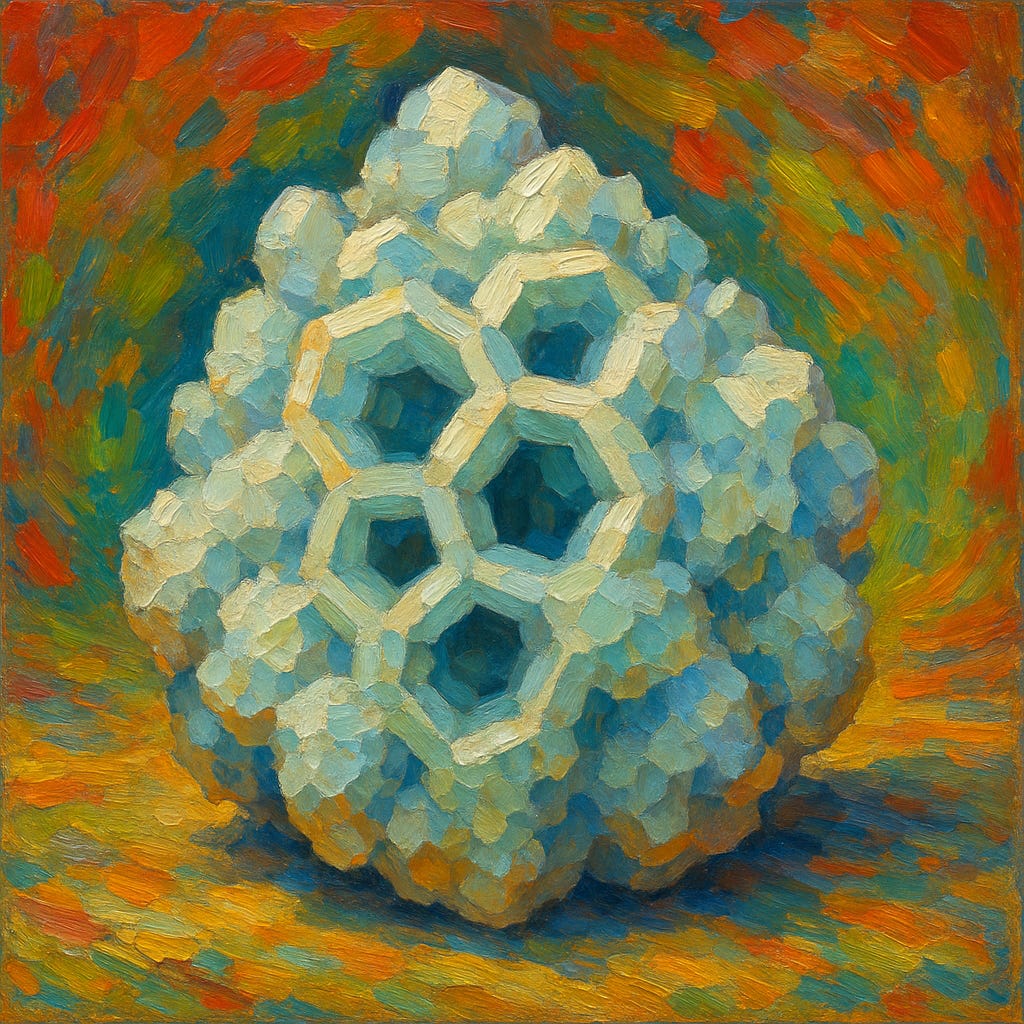
Zeolite, a volcanic mineral with a crystalline honeycomb structure, represents one of nature's most remarkable detoxification tools. This unique substance operates through what researchers call an intelligent selectivity - the ability to distinguish between identical elements based solely on whether they're beneficial or harmful to the body. While toxic aluminum and essential minerals like potassium both carry positive charges that should theoretically attract equally to zeolite's negative framework, the mineral exclusively captures the harmful aluminum while completely ignoring the beneficial potassium. Studies have demonstrated zeolite's ability to achieve 77-91% reduction of lead in bones, liver, kidneys and other tissues, proving it works systemically throughout the body rather than just in the digestive tract. The mineral binds an impressive array of harmful substances including heavy metals like mercury and cadmium, radioactive materials such as cesium and strontium, mycotoxins, pesticides, and even modern "forever chemicals" like PFAS - achieving 72% reduction of these notoriously persistent compounds.
The mechanisms behind zeolite's effectiveness challenge conventional detoxification approaches. Unlike traditional chelation methods that deplete vital minerals and often create severe detox reactions, zeolite operates through a "swap and drop" process where it exchanges beneficial minerals it carries for heavier toxic elements. When a zeolite particle containing magnesium encounters arsenic, it trades the magnesium for the arsenic because it preferentially binds heavier elements. This selective action means zeolite can be taken with food without interfering with nutrient absorption, and human trials confirm it doesn't affect essential electrolytes in blood or urine. The research reveals a paradoxical finding about dosing - higher doses actually result in fewer detox reactions compared to low doses. Jeff Hoyt's clinical experience shows that individuals taking 10-30 grams experience minimal symptoms, while those taking less than 400 milligrams often suffer headaches, joint pain, and irritability. This occurs because low doses stir up toxins without sufficient binding capacity to remove them, while higher doses provide enough zeolite particles to both mobilize and capture toxins before they can cause symptoms.
The implications of zeolite's unique properties extend far beyond simple detoxification, particularly given our modern toxic burden. With heavy metal exposure coming from contaminated food, industrial pollution, dental amalgams, vaccines, and atmospheric contamination from geoengineering operations that disperse aluminum, strontium, and silver through cloud seeding, regular detoxification has become increasingly necessary. Animal studies with zeolite have shown remarkable results including prolonged lifespan, reduced tumor size, and prevention of heavy metal-induced anemia - with cadmium-exposed animals maintaining nearly normal blood parameters when given zeolite. Beyond toxin removal, zeolite demonstrates effectiveness for digestive issues, functions as an antioxidant, shows anti-inflammatory properties, and even serves as an emergency hemostatic agent for bleeding control. The safety profile is exceptional, with toxicology studies finding no adverse effects even at doses of 10,000 mg/kg for up to 12 months, making it one of the safest long-term detoxification methods available. The mineral's ability to work with rather than against the body's natural detox systems - reducing the daily toxic burden so the body can release stored toxins at its own pace - represents a fundamental shift in how we approach detoxification in an increasingly contaminated world.
With thanks to Dr Andrew Kaufman.
Analogy
Imagine your body as a large, busy hotel that's been operating for decades. Over the years, unwanted guests (heavy metals and toxins) have checked in but never left - they're squatting in rooms, hiding in closets, and even living in the walls. These troublemakers cause constant problems: damaging the plumbing (blood vessels), interfering with the electrical system (nervous system), and making the legitimate guests (healthy cells) sick.
Zeolite works like a team of highly specialized bounty hunters with magnetic handcuffs. These bounty hunters are unique because they can walk through the entire hotel - not just the lobby (digestive system) but all the floors, rooms, and even into the walls where metals hide in bones. Each bounty hunter carries thousands of tiny jail cells that perfectly fit these criminal elements. As they patrol, their magnetic properties attract the troublemakers, who get locked into these molecular jail cells. The brilliant part is that these bounty hunters only arrest the bad guys - they completely ignore the hotel's valuable staff (essential minerals) and paying guests (nutrients). Once captured, the criminals are escorted out through two exit routes: the main sewer system (feces) and a special drainage system (urine), permanently removing them from the property. Best of all, these bounty hunters work for 14 days straight before needing a vacation, and they never damage the hotel or bother the good residents while doing their job.
The One-Minute Elevator Explanation
Zeolite is nature's detox miracle - a volcanic mineral with a honeycomb structure that acts like millions of tiny magnets with jail cells. When you take this powder, it travels through your entire body capturing heavy metals like lead, mercury, and cadmium, plus modern toxins like forever chemicals and pharmaceutical residues. Here's what makes it special: unlike other detox methods, zeolite only grabs the bad stuff while leaving your essential minerals completely alone.
Studies show it can remove 77-91% of heavy metals from your organs and bones, not just your gut. It's so safe that animals have been fed it for decades with zero toxicity, even at massive doses. You can take it daily with food, use it to stop bleeding in emergencies, and it even helps with digestive issues and inflammation. The research suggests taking it for two weeks on, two weeks off, to maximize the detox effect. For anyone living in our polluted world - breathing air contaminated by industry and weather modification, eating foods with pesticides and heavy metals, using modern products full of chemicals - zeolite offers a simple, natural solution that's been proven effective from nuclear waste cleanup to improving cancer outcomes in animals.
[Elevator dings]
Want to dig deeper? Look up "clinoptilolite heavy metal studies," research "PFAS removal with zeolite," and investigate "geoengineering heavy metal contamination."
12-Point Summary
1. Zeolite's Unique Structure Creates Perfect Toxin Traps Zeolite is a volcanic mineral with a crystalline honeycomb structure made of aluminum silicate. Its framework contains millions of microscopic channels and cages that act as molecular sieves. The negative charge of the structure attracts positively charged toxins like heavy metals, while the cage system physically traps them. This dual mechanism - electromagnetic attraction plus physical containment - makes it remarkably effective at capturing everything from ancient toxins like lead to modern chemicals like PFAS. The aluminum in its structure is completely bound and inert, posing no health risk unlike free aluminum.
2. Proven Systemic Action Throughout the Body Research definitively shows zeolite works beyond just the digestive tract, achieving 77-91% reduction of lead in bones, liver, kidneys and other tissues even when the lead and zeolite were consumed separately. Human studies demonstrated increased urinary excretion of multiple heavy metals, proving systemic mobilization and removal of stored toxins. The lower concentration of metals in feces compared to what was consumed indicates absorption and systemic action rather than simple gut binding. This whole-body detoxification sets zeolite apart from substances that only work in the digestive system.
3. Removes Both Ancient and Modern Toxins Zeolite binds an impressive array of harmful substances including heavy metals (lead, mercury, cadmium, arsenic, tin), radioactive materials (cesium, strontium), mycotoxins, pesticides, ammonia, and nitrosamines. Modern research shows it also removes 72% of PFAS "forever chemicals" and effectively eliminates pharmaceuticals like antibiotics, birth control hormones, antidepressants, and antipsychotics from contaminated water. This broad-spectrum binding ability addresses both traditional environmental toxins and emerging chemical threats that conventional treatments struggle to remove.
4. Preserves Essential Minerals While Removing Toxins Unlike other chelation methods that deplete vital minerals, human clinical trials confirmed zeolite doesn't affect essential electrolytes like potassium, magnesium, or sodium in blood or urine. It selectively binds only harmful substances while completely ignoring beneficial minerals and nutrients. This selective action means it can be taken with food without interfering with nutrition absorption, a significant advantage over activated charcoal which may bind nutrients. The ability to remove toxins without creating deficiencies makes it safe for long-term use.
5. Dramatic Protection Against Heavy Metal Damage Animal studies revealed zeolite's ability to prevent cadmium-induced anemia, with exposed animals maintaining nearly normal blood parameters despite heavy metal poisoning that would typically cause 30% drops in hematocrit and hemoglobin. This demonstrates protection of actual physiological function, not just toxin removal. The research shows zeolite prevents organ damage and maintains normal body processes even during active toxic exposure, suggesting both protective and restorative properties.
6. Environmental Contamination Makes Detoxification Essential Heavy metal exposure comes from countless sources: contaminated food (mercury in fish, arsenic in rice), industrial pollution, cosmetics, dental amalgams, tobacco smoke, and vaccines. Geoengineering operations for weather modification release aluminum, strontium, silver, and other metals directly into the atmosphere through cloud seeding flares. With multiple companies conducting these operations globally, populations face involuntary exposure to aerosolized metals that settle onto food and water supplies. This widespread contamination makes regular detoxification increasingly necessary for maintaining health.
7. Remarkable Safety Profile Allows Long-Term Use Toxicology studies found no adverse effects in animals given zeolite continuously for up to 12 months, even at doses of 10,000 mg/kg - far exceeding any therapeutic use. As an inert mineral that doesn't react with body chemistry, it passes through the system while capturing toxins. Decades of use in livestock feed provide real-world safety data across millions of animals. Human studies confirm no negative effects, making it one of the safest detoxification methods available for regular use.
8. Multiple Health Benefits Beyond Detoxification Research documents zeolite's effectiveness for digestive issues including acute and chronic diarrhea, gastroesophageal reflux disease, and stomach lining inflammation. It strengthens intestinal walls, functions as an antioxidant by capturing free radicals, and shows anti-inflammatory properties. Animal cancer studies demonstrated improved health status, prolonged lifespan, and reduced tumor size. Applications extend to emergency bleeding control, with the powder creating rapid hemostasis when applied to wounds. These diverse benefits suggest fundamental support for multiple body systems.
9. Strategic Dosing Maximizes Effectiveness Standard dosing involves 3 capsules or 1 teaspoon (5 grams) of powder, which can be repeated hourly for acute conditions. For detoxification, daily dosing is recommended, but research showing peak urinary metal excretion at day 4 and decline after 14 days suggests pulsed protocols may be optimal. Two weeks on followed by two weeks off potentially prevents adaptation and maintains effectiveness for long-term metal removal. This cycling approach may allow tissue stores to re-equilibrate during off periods, maximizing total toxin elimination over time.
10. Industrial Applications Validate Binding Power Zeolite's use in nuclear waste management for extracting radioactive cesium and strontium demonstrates its unparalleled binding capacity for the most dangerous substances known. Water treatment facilities use it to remove pharmaceutical residues and personal care products that resist conventional methods. Agricultural operations worldwide add it to livestock feed for improved health and toxin binding. These large-scale applications provide decades of efficacy data and prove its binding properties work reliably across diverse conditions.
11. Superior to Other Natural Detox Methods While activated charcoal and bentonite clay have their uses, zeolite offers unique advantages: broader heavy metal binding, preservation of nutrients and minerals, proven systemic action beyond the gut, and extensive safety data. It can be taken with meals without interfering with nutrition, unlike charcoal. The research base for zeolite far exceeds that for clay, with clear clinical evidence of effectiveness. Combining zeolite with cilantro, which mobilizes metals from tissues, may create an optimal protocol where cilantro releases stored toxins and zeolite captures them before reabsorption.

12. Practical Emergency and Daily Applications Beyond daily detoxification, zeolite serves as an emergency hemostatic agent for bleeding control - from minor cuts to life-threatening arterial wounds when packed directly into injuries. It can be taken with suspect meals to bind food-borne toxins like aflatoxin in peanuts or used for acute food poisoning. The powder mixes easily in water or can be taken in capsules, requiring only food-grade clinoptilolite properly purified and micronized. With no special storage requirements and indefinite shelf life, it belongs in every household's emergency supplies and daily health routine.
The Golden Nugget
The most profound and least known aspect of zeolite is that it demonstrates a form of intelligent selectivity that seems almost impossible: it can distinguish between identical elements based solely on whether they're beneficial or harmful to the body. For instance, both toxic aluminum and essential minerals like potassium are positively charged cations that should theoretically be equally attracted to zeolite's negative charge, yet zeolite exclusively captures the toxic aluminum while completely ignoring the beneficial potassium. This selectivity extends to radioactive versus stable isotopes of the same element - zeolite preferentially binds radioactive strontium while leaving calcium (which is chemically similar) untouched. This suggests the crystalline structure creates binding sites so precisely tuned that they recognize not just charge and size, but somehow distinguish between forms of elements based on their biological compatibility. Scientists haven't fully explained this mechanism, but the consistent demonstration across multiple studies indicates zeolite possesses a level of molecular discrimination that surpasses our current understanding of simple chemical interactions - as if the volcanic forces that created it encoded a blueprint for identifying human toxins that wouldn't even exist for millions of years.
20 Questions and Answers
1. What is zeolite and how does its unique molecular structure enable it to capture toxins?
Zeolite is a naturally occurring volcanic mineral with a microporous crystalline structure composed of aluminum silicate. Its framework creates a three-dimensional lattice with uniform pores and channels that act like molecular sieves, allowing certain molecules to enter while excluding others based on size and charge. This honeycomb-like structure provides an enormous surface area for binding toxins.
The mineral's negative charge attracts positively charged ions (cations) like heavy metals, while its cage-like structure physically traps various toxic substances. Think of it as millions of tiny magnets with jail cells - the magnetic charge pulls in the toxins, and the cage structure locks them in place. This dual mechanism of electrostatic attraction and physical entrapment makes zeolite remarkably effective at capturing everything from heavy metals to radioactive materials, pesticides, and even modern chemicals like PFAS.
2. Why is the presence of aluminum in zeolite not a safety concern despite aluminum typically being considered toxic?
The aluminum in zeolite exists as part of the crystalline aluminosilicate framework structure, where it's completely bound within the mineral's lattice and cannot be released or absorbed by the body. Unlike free aluminum that can be toxic, the aluminum in zeolite is locked into the crystal structure through strong chemical bonds that don't break down under normal biological conditions. Multiple toxicology studies in mice and rats given zeolite for up to 12 months showed no signs of aluminum toxicity or any adverse effects.
When ingested, powdered zeolites are chemically inert - they don't react with food, body fluids, or metabolites. The mineral passes through the digestive system while maintaining its structural integrity, capturing toxins along the way without releasing its own components. This is similar to how the silicon in glass doesn't pose a threat despite glass being made of silicon dioxide - the structural form determines safety, not just the elemental composition.
3. What are the different forms of zeolite available and which preparation is most supported by research?
Zeolite preparations include micronized powders (pulverized to micrometer-scale particles), encapsulated forms, and liquid preparations containing nano-sized particles. The micronized powder form, specifically food-grade clinoptilolite that has been purified of any heavy metal contamination and ground to increase surface area, is the preparation most extensively studied and used in clinical research. These preparations can be taken as powder mixed in water or in capsule form.
Liquid zeolite products deserve particular caution as they contain very small amounts of actual zeolite compared to doses used in studies, are often expensive, and make unsubstantiated claims about blood absorption that lack clinical evidence. The research consistently uses micronized powder forms, which have proven effective for binding toxins and increasing urinary excretion of heavy metals. Natural, mechanically processed zeolite without chemical modifications appears optimal, as nature provides the mineral in its most effective form, requiring only particle size reduction for human consumption.
4. How does zeolite remove heavy metals from the body and what evidence shows it works systemically rather than just in the gut?
The lead study provides compelling evidence that zeolite works systemically throughout the body, not just in the digestive tract. Researchers gave mice zeolite in their food but administered lead through their drinking water at different times, eliminating the possibility that zeolite simply bound lead in the gut. The results showed 77-91% reductions in lead concentrations across multiple organs including bones (where lead primarily accumulates), liver, kidneys, and other tissues, proving zeolite somehow facilitated removal of lead that had already been absorbed and distributed throughout the body.
The human clinical trial further confirmed systemic action by demonstrating increased urinary excretion of multiple heavy metals including arsenic, lead, mercury, tin, and cadmium after zeolite supplementation. Participants showed peak excretion around day four, with metals coming out in urine rather than just feces. This urinary pathway proves that zeolite influences whole-body detoxification processes, likely by binding circulating toxins or enhancing the body's natural elimination mechanisms, though the exact mechanism of how zeolite particles interact with metals already in tissues remains under investigation.
5. Which specific heavy metals and toxins has zeolite been proven to bind and remove?
Research has demonstrated zeolite's ability to bind and remove an impressive array of toxic substances including heavy metals (lead, cadmium, mercury, arsenic, tin), radioactive materials (cesium, strontium), mycotoxins like aflatoxin found in peanuts and corn, nitrosamines, ammonia, pesticides, and various cations. The human clinical trial specifically showed increased urinary excretion of arsenic, lead, mercury, tin, and cadmium, while animal studies demonstrated dramatic reductions in tissue concentrations of lead and cadmium.
Industrial applications further validate zeolite's binding capacity, as it's routinely used to extract cesium and strontium from nuclear waste, remove pharmaceuticals and personal care products from wastewater, and achieve 72% reduction in PFAS (forever chemicals) contamination. The mineral also binds modern environmental toxins including antibiotics, antipsychotics, antidepressants, blood pressure medications, and birth control hormones found in water supplies. This broad-spectrum binding ability makes zeolite unique among natural detoxification agents, capable of addressing both ancient toxins like heavy metals and modern chemical pollutants.
6. What was discovered about zeolite's ability to remove modern environmental contaminants like PFAS and pharmaceuticals?
The American Chemical Society study revealed that zeolite treatment resulted in an average 72% mass reduction of PFAS compounds - the "forever chemicals" found in non-stick cookware, waterproof materials, furniture, textiles, and clothing that persist indefinitely in the environment and human body. These fluorinated compounds are linked to numerous health problems and are notoriously difficult to remove using conventional methods, making zeolite's effectiveness particularly significant for addressing this modern contamination crisis.
Beyond PFAS, zeolite effectively removed various pharmaceuticals and personal care products from wastewater, including birth control pills, antibiotics, antipsychotics, sleep medicines, blood pressure medications, and antidepressants that contaminate water supplies through human sewage. This dual capability addresses two of the most concerning modern environmental pollutants that traditional water treatment struggles to eliminate, suggesting zeolite supplementation could help humans reduce their body burden of these ubiquitous chemicals that are implicated in numerous chronic health conditions.
7. How does zeolite affect heavy metal-induced anemia and what do the cadmium studies reveal?
The cadmium exposure study demonstrated zeolite's remarkable ability to prevent heavy metal-induced anemia, with animals given cadmium alone experiencing approximately 30% drops in both hematocrit and hemoglobin levels - clear markers of significant anemia. When zeolite was administered alongside cadmium exposure, these critical blood parameters remained nearly normal, showing almost complete protection against cadmium's toxic effects on red blood cell production and function.
This protective effect represents a tangible clinical outcome beyond simple toxin binding, demonstrating that zeolite can prevent actual organ damage and physiological dysfunction caused by heavy metal exposure. The study used two different forms of zeolite, both showing similar protective effects, suggesting this benefit is consistent across various zeolite preparations. Such dramatic preservation of normal blood parameters indicates zeolite not only removes toxins but actively protects vital physiological functions during ongoing toxic exposure.
8. What did the human clinical trial show about urinary excretion of toxic metals with zeolite supplementation?
The human clinical trial selected participants who already had elevated levels of at least three toxic heavy metals in their urine, then gave them either activated clinoptilolite zeolite or placebo for comparison. Results showed significantly increased urinary excretion of multiple heavy metals including arsenic, lead, mercury, tin, and cadmium, with peak excretion typically occurring around day four of supplementation, demonstrating that zeolite mobilizes metals already stored in body tissues.
Crucially, blood and urine testing confirmed that zeolite didn't deplete essential electrolytes like potassium, magnesium, or sodium - a common concern with chelation therapies. The study concluded that daily zeolite use represents a potentially safe and effective method for removing toxic heavy metals through increased urinary excretion without the mineral depletion risks associated with other chelation methods. The excretion pattern suggested that metals stored in various body compartments were being mobilized and eliminated, supporting the systemic action of zeolite beyond simple gut binding.
9. What are the various sources of heavy metal exposure in modern life that make detoxification important?
Heavy metal exposure comes from numerous sources including agricultural contaminants, mining operations, coal power plants, gasoline pollution (particularly lead), contaminated food supplies (fish with mercury, rice with arsenic, vegetables with various metals), cosmetics and deodorants, industrial products, electronics manufacturing, pigments, cadmium in tobacco smoke, wood preservatives, dental amalgams, and vaccines. These traditional sources are compounded by modern industrial activities that continuously add metals to our environment.
A particularly concerning modern source is geoengineering through cloud seeding operations, which use flares containing silver iodide, strontium nitrate, potassium perchlorate, aluminum powder, and magnesium powder - metals that are dispersed into the atmosphere and eventually settle onto land and water. The occupational safety study of cloud seeding flare manufacturers revealed these operations represent an ongoing source of atmospheric metal contamination. With multiple cloud seeding companies operating globally for weather modification, this represents a significant but often overlooked source of population-wide heavy metal exposure that makes regular detoxification increasingly important.
10. How has zeolite been used in cancer treatment for animals and what were the outcomes?
Animal studies using clinoptilolite zeolite in mice and dogs with various tumor types showed remarkable results including improvement in overall health status, significant prolongation of lifespan, and measurable decreases in tumor size. The life extension benefit is particularly noteworthy as it suggests zeolite not only affected the tumors directly but improved overall physiological function and resilience in cancer-affected animals.
Local application of clinoptilolite directly to skin cancers in dogs effectively reduced both tumor formation and growth, demonstrating potential as a topical cancer treatment. Throughout these studies, toxicology assessments confirmed no negative effects from zeolite treatment, establishing its safety even in compromised animals with cancer. While the mechanism isn't fully understood, zeolite's ability to remove carcinogenic toxins, reduce inflammation, and potentially modulate immune function may all contribute to these anti-cancer effects observed across multiple tumor types.
11. What are zeolite's applications beyond heavy metal detoxification in digestive and inflammatory conditions?
Zeolite has demonstrated effectiveness in treating both acute and chronic diarrhea, functioning similarly to activated charcoal but with potentially superior binding properties for specific toxins. Research shows it reduces symptoms of gastroesophageal reflux disease while improving the pathological structure of the stomach lining, suggesting regenerative effects beyond simple symptom relief. The mineral also exhibits anti-inflammatory properties that reduce toxicity-related stomach damage and improve the integrity of the stomach lining.
Studies indicate zeolite strengthens the intestinal wall and can function as an antioxidant by capturing free radicals in the digestive system. Its ability to bind mycotoxins like aflatoxin (found in peanuts, pistachios, and corn) provides protection against these liver-toxic compounds when taken with meals. In veterinary medicine and livestock farming, zeolite is routinely added to animal feed to improve overall fitness, remove toxins, and provide anti-diarrheal effects, with benefits including whitening, hematological improvements, and general health enhancement that have been successfully translated to human applications.
12. How can zeolite be used as an emergency hemostatic agent to stop bleeding?
For superficial wounds, zeolite powder can be applied directly to the bleeding area with pressure to rapidly stop blood flow through its hemostatic properties. The powder absorbs blood while simultaneously activating clotting factors, creating a physical barrier that stems bleeding more effectively than pressure alone. This application requires only basic first aid knowledge and can be implemented immediately in emergency situations.
For serious wounds including arterial bleeds or deep puncture wounds like gunshot injuries, the protocol involves packing substantial amounts of zeolite powder directly into the wound cavity, followed by packing material and a pressure bandage. This technique can be life-saving for severe hemorrhages where traditional direct pressure might be insufficient. Zeolite can replace or complement commercial hemostatic agents found in trauma kits, with the advantage of being non-toxic if absorbed internally and causing no adverse effects even when packed into deep wounds - making it an essential component of emergency preparedness supplies.
13. What is the safety profile of zeolite based on toxicology studies and does it affect essential minerals?
Extensive toxicology studies in mice and rats administered zeolite continuously for 6-12 months found no changes that could be considered toxic effects, establishing its remarkable safety for long-term use. Research has shown safety at extremely high doses up to 10,000 milligrams per kilogram in livestock - doses far exceeding any therapeutic use in humans. The mineral's classification as "inert" means it doesn't react chemically with food, body fluids, or metabolites, making adverse effects insignificant.
The human clinical trial specifically monitored essential electrolyte levels throughout zeolite supplementation, finding no depletion of vital minerals including potassium, magnesium, sodium, and other electrolytes in either blood or urine. This selective binding property - removing toxic metals while preserving essential minerals - distinguishes zeolite from other chelation methods that often cause mineral depletion. Additionally, studies confirm zeolite doesn't absorb nutrients from food, making it safe to take with meals without compromising nutritional status, a significant advantage over activated charcoal which may bind beneficial compounds.
14. What dosing protocols are recommended for zeolite and why might pulsed dosing be beneficial?
Standard dosing for acute conditions like diarrhea or food poisoning involves three capsules or approximately one teaspoon (5 grams) of powdered zeolite, which can be repeated hourly for several doses during acute illness. For maintenance or detoxification protocols, daily dosing is recommended, though specific amounts may vary based on the intended purpose. The powder can be mixed with water as a suspension or taken in capsule form, with both methods showing equivalent effectiveness in studies.
The urinary excretion data revealed an interesting pattern where heavy metal excretion peaked around day 4 but decreased substantially after 14 days of continuous use, suggesting the body may adapt to constant zeolite presence or accessible metal stores become depleted. This finding supports a pulsed dosing protocol of 14 days on followed by 14 days off, potentially maximizing heavy metal removal over time by allowing tissue stores to re-equilibrate during off periods. This cycling approach may prevent adaptation and maintain zeolite's effectiveness for long-term detoxification programs.
15. How does zeolite compare to other natural detoxification agents like bentonite clay and activated charcoal?
Zeolite demonstrates broader heavy metal binding capacity than activated charcoal based on available research, with extensive studies documenting its effectiveness against multiple toxic metals simultaneously. While charcoal excels at binding certain organic toxins and is widely used for acute poisoning, it may also absorb nutrients from food - a problem zeolite doesn't have due to its selective binding properties. Zeolite's crystalline structure provides more specific binding sites for heavy metals compared to charcoal's general adsorptive surface.
Bentonite clay shares some similarities with zeolite in binding heavy metals but has fewer clinical studies supporting its use and is often recommended for external application as baths or skin masks rather than internal use. The presenter noted personal success using bentonite clay masks for improved hair growth, suggesting complementary applications. While all three substances have merit, zeolite's unique advantages include proven systemic action, preservation of essential minerals, extensive safety data, effectiveness against both traditional and modern toxins, and the ability to take it with food without nutrient interference - making it potentially the most versatile option for regular detoxification support.
16. What role does zeolite play in industrial applications that demonstrates its binding capabilities?
Zeolite's industrial applications provide real-world validation of its binding capabilities on a massive scale, particularly in nuclear waste management where it extracts cesium and strontium - radioactive elements that pose severe health risks. The nuclear industry's reliance on zeolite for handling these dangerous materials demonstrates its unparalleled ability to capture and contain some of the most hazardous substances known, lending credibility to its use for human detoxification of these same elements that may be present from nuclear accidents or weapons testing.
In water treatment facilities, zeolite removes pharmaceutical residues and personal care products that resist conventional treatment methods, addressing a growing environmental crisis as these compounds accumulate in water supplies. Agricultural operations routinely add zeolite to livestock feed to improve animal health, reduce disease, and bind toxins - a practice so successful it's become standard in many farming operations. These large-scale applications provide decades of safety data and efficacy validation that laboratory studies alone cannot match, demonstrating that zeolite's binding properties work reliably across diverse conditions and scales.
17. What is geoengineering's connection to heavy metal exposure and how might zeolite help?
Cloud seeding operations for weather modification use flares containing toxic metals including silver iodide, strontium nitrate, potassium perchlorate, aluminum powder, and magnesium powder, which are dispersed into the atmosphere to manipulate precipitation patterns. The National Institute for Occupational Safety and Health studied these operations due to worker exposure concerns at companies like MK Ballistic Systems, confirming these metal-containing compounds are routinely released into the environment where they eventually settle onto soil, water, and food supplies.
Multiple cloud seeding companies operate globally, creating an ongoing source of population-wide heavy metal exposure that bypasses traditional exposure routes. Since zeolite specifically binds several of these metals including strontium (which it's used to extract from nuclear waste) and aluminum, regular zeolite supplementation may help mitigate this involuntary environmental exposure. The fact that these metals are dispersed in fine particulate form makes them particularly bioavailable when inhaled or ingested, potentially making zeolite's protective effects even more valuable for those living in areas with active weather modification programs.
18. How should zeolite be taken with food and what precautions enhance its effectiveness?
Zeolite can be taken with meals without concern for nutrient absorption, making it convenient for binding food-borne toxins like aflatoxin in peanut butter or heavy metals in fish. Taking zeolite with contaminated foods may reduce or eliminate toxin absorption, providing real-time protection during meals. For acute gastrointestinal illness or suspected food poisoning, zeolite can be taken immediately and repeated hourly to bind pathogens and toxins, similar to activated charcoal protocols but without the nutrient depletion concerns.
For optimal effectiveness in systemic detoxification, consistency is key - daily dosing allows zeolite to continuously bind circulating toxins and those being released from tissue stores. The powder form mixed in water may provide faster action than capsules for acute situations, while capsules offer convenience for regular use. Since different toxins may be released at different times based on metabolism and tissue turnover, maintaining steady zeolite levels through regular dosing ensures maximum capture of mobilized toxins before they can be reabsorbed or cause symptoms.
19. What unexpected benefits have been observed with zeolite use in veterinary and human applications?
Veterinary applications revealed benefits beyond toxin removal, including improved fitness, whitening effects, hematological improvements, and anti-diarrheal properties in livestock and pets. The life extension observed in cancer-affected animals was particularly unexpected, suggesting systemic health benefits beyond tumor effects. In agricultural settings, zeolite-supplemented animals showed better growth rates, reduced disease incidence, and improved feed conversion - benefits that extended beyond simple toxin binding to suggest enhanced overall metabolic function.
Human applications have shown promise for conditions not traditionally associated with heavy metal toxicity, including potential benefits for neurodegenerative and neurodevelopmental disorders, cardiovascular disease, and reproductive issues like abnormal sperm morphology and motility. The presenter mentioned personal experience with improved hair growth when combining zeolite with bentonite clay applications, suggesting possible benefits for conditions involving mineral imbalances or scalp toxicity. These diverse benefits indicate zeolite may support fundamental detoxification and mineral balance processes that affect multiple body systems simultaneously.
20. Why is cilantro mentioned as a complementary chelating agent and how might it work with zeolite?
Cilantro extracts and tinctures have demonstrated incredible effectiveness at removing heavy metals in research studies, with the unique ability to not only chelate metals but also reverse organ damage caused by heavy metal toxicity. This regenerative property sets cilantro apart from simple binding agents, suggesting it may activate cellular repair mechanisms while facilitating metal removal. The herb appears to mobilize metals from deep tissue stores, potentially making them more available for binding and elimination.
The combination of cilantro with zeolite could create a synergistic detoxification protocol where cilantro mobilizes stored metals from tissues while zeolite captures and removes them before reabsorption can occur. This two-phase approach - mobilization followed by binding - may be more effective than either agent alone, particularly for metals sequestered in organs or bones. The presenter offers both products, suggesting practical experience with this combination approach, though specific protocols for combined use would need to consider timing to maximize cilantro's mobilization effects while ensuring zeolite is present to capture released metals.
I appreciate you being here.
If you've found the content interesting, useful and maybe even helpful, please consider supporting it through a small paid subscription. While 99% of everything here is free, your paid subscription is important as it helps in covering some of the operational costs and supports the continuation of this independent research and journalism work. It also helps keep it free for those that cannot afford to pay.
Please make full use of the Free Libraries.
Unbekoming Interview Library: Great interviews across a spectrum of important topics.
Unbekoming Book Summary Library: Concise summaries of important books.
Stories
I'm always in search of good stories, people with valuable expertise and helpful books. Please don't hesitate to get in touch at unbekoming@outlook.com
Baseline Human Health
Watch and share this profound 21-minute video to understand and appreciate what health looks like without vaccination.
This is from my book, Judas Dentistry, available for free download here: https://dl.bookfunnel.com/5ercuvl94y, where you can find the references for the citations below. It is also for purchase on Amazon. The backgrounds of the people below are clarified in the book.
Zeolites are synthetic microporous structures that are available on Amazon. Terri Franklin, her co-author, some IAOMT dentists, and many other sources recommend these. Kerri Rivera, a world expert on the detoxification of autistic children, says that zeolite works if you use the right brand (Chapter 15).
However, Becky Dutton, who has observed hundreds of patients in mercury detox over many years, says that zeolite is not a good chelator and cites this REFERENCE. I could only find it on the Wayback Machine, so it was suppressed. It quotes recognized expert Boyd Haley, professor of chemistry at the University of Kentucky. He writes that zeolite redistributes rather than removes mercury:
[Zeolite] does not significantly remove mercury from an aqueous solution. … it seems very unlikely that [this] water-insoluble material would have any direct effect on removing mercury from cells, mitochondria, or the brain… How exactly will a non-water soluble material like zeolite cause urinary mercury excretion, as shown in previous studies? If the negative charges on the insoluble zeolite really did bind mercury, it should take it out via the fecal route. … this looks very much like many previous “miracle mercury cures” that just takes a lot of money from the unsuspecting parents looking for any help for their child… but this data was never published in a decent journal…
Zeolites contain high levels of aluminum. Although the zeolite salespeople talk about how the aluminum in their product is “caged”, hair tests done by parents found that aluminum levels spiked.
Zeolites at the stomach pH release aluminum into your body. HERE is an evidence based writeup by Dennis Crouse.
Dutton also privately surveyed six experts in preparation for this book. All had doubts about zeolite. Chris Exley, the “Aluminum Man,” wrote to her: “I would never take [a zeolite]; they have neither been shown to be effective for aluminium in a clinical trial nor indeed to be safe for human consumption. My advice is to avoid.”
The sales pitch is that you can buy this product and do it yourself. Since there are pitfalls, an experienced expert should help with any detox process. Many of them recommend safer and more effective methods than zeolite.
Theodore Sturgeon famously said, “Ninety percent of everything is crap.” This was from the 1950s, and things are far worse today. Controversy is a sign that something stinks, so I am skeptical of commercial products like these.
This is the only article I’ve seen on Unbekoming that is promoting something being sold (with the information appearing to come from the seller), which I find concerning.