

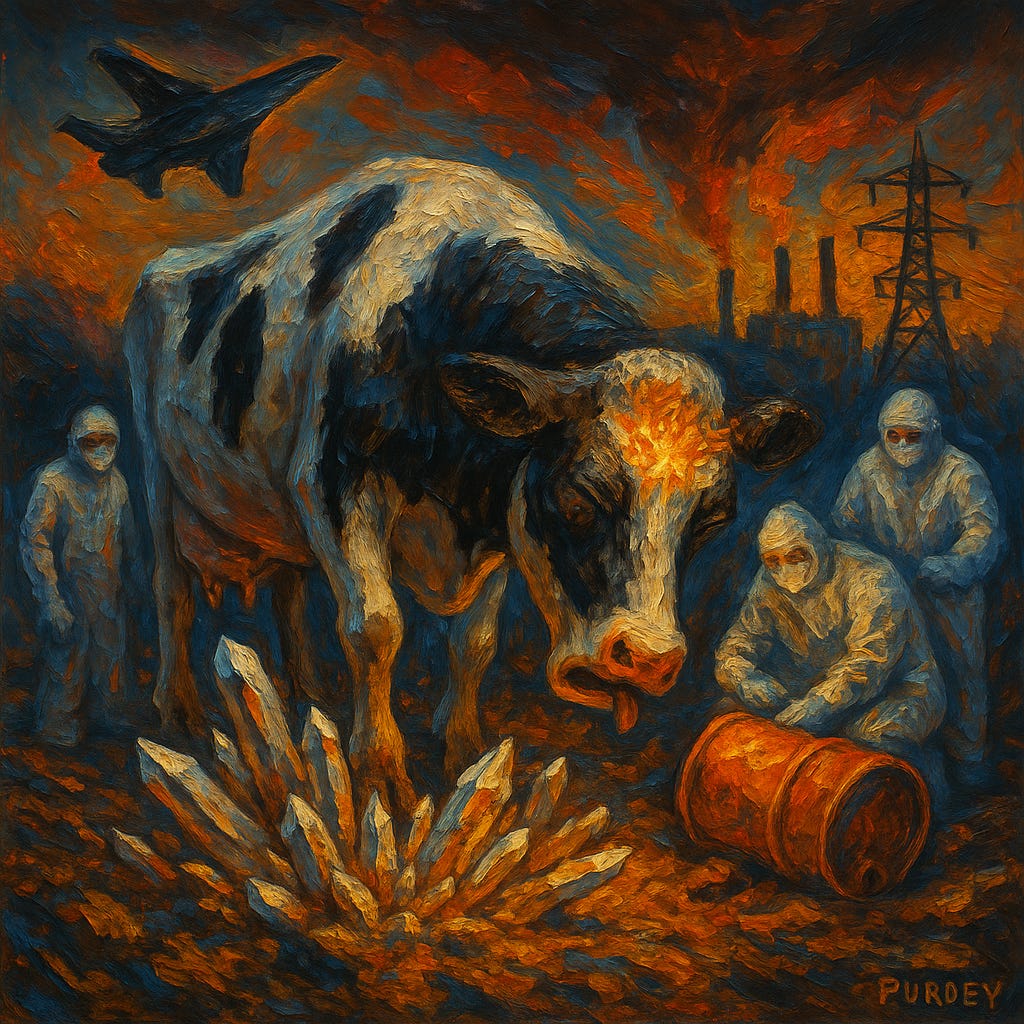
In the early 1980s, as Britain’s cattle began succumbing to a mysterious neurological affliction later termed Bovine Spongiform Encephalopathy (BSE), the scientific establishment swiftly attributed the epidemic to an infectious agent spread through contaminated feed. Mark Purdey, an organic farmer and self-taught neurobiologist, challenged this narrative with a revolutionary hypothesis detailed in Animal Pharm. Through decades of global fieldwork, Purdey uncovered compelling evidence that BSE and related human diseases like variant Creutzfeldt-Jakob Disease (vCJD) stemmed not from infectious prions but from environmental contamination—specifically, toxic metal microcrystals such as manganese replacing essential copper in brain proteins, exacerbated by intense acoustic shocks from military or industrial sources. This environmental causation model, meticulously documented across disease clusters in Iceland, Slovakia, Guam, and beyond, exposed a critical flaw in official theories: the failure of massive feed bans and slaughter programs to halt disease spread, as new animals introduced to contaminated regions consistently developed symptoms. Purdey’s findings, sparked by his observation of pesticide-driven copper depletion in his own herd not only explain the likely cause of BSE but also illuminate the environmental roots of bovine tuberculosis, where iron overload from acidic soils fuels pathogen proliferation. Yet, as Purdey’s work gained traction, it met fierce resistance—systematic harassment, funding denials, and media censorship—revealing a troubling suppression of truth by corporate and governmental interests. His untimely death, like that of far too many truth tellers, underscores the personal cost of challenging entrenched paradigms, leaving a legacy that demands scrutiny of environmental health threats.
Purdey’s investigation, born from his defiance of Britain’s mandatory organophosphate pesticide program in 1982, revealed how these chemicals, particularly phosmet (derived from nerve gas), chelated copper from cattle nervous systems, enabling toxic metals to hijack prion proteins and form piezoelectric crystals that triggered neurological damage under sonic stress. This mechanism, detailed in Animal Pharm, extends beyond BSE to neurodegenerative diseases like Alzheimer’s and Parkinson’s, sharing a common thread of metal toxicity and mineral imbalance. Purdey’s global studies exposed consistent patterns—disease clusters near military bases, mining operations, or volcanic regions, where manganese, barium, or strontium contamination coincided with low-frequency infrasound from jets or explosions. Official narratives, however, clung to infectious models, dismissing Purdey’s evidence despite failed transmission experiments and the absence of BSE in countries importing supposedly contaminated feed. The institutional pushback, from manipulated peer reviews to arson attacks on his property, highlights a broader conflict: corporate interests in pesticides and pharmaceuticals profiting from disease management while ignoring environmental causes. Purdey’s work, a masterful exposition of environmental health truths, not only explains the likely cause of mad cow disease and bovine tuberculosis but also offers hope through practical solutions like copper supplementation and soil remediation—strategies that challenge the costly, ineffective interventions of a system reluctant to admit its errors. His story, as noted by a reader (thank you, Jake GC), serves as a clarion call to question scientific orthodoxy and protect the legacy of a wonderful truth teller who died too young.
With thanks to Mark Purdey1.
Watch 30-minute video at bottom of this link:
BSE, CJD & MS? Organic Farmer Mark Purdey on Organophosphates – the bridge
Deep Dive Conversation Library (Bonus for Paid Subscribers Only)
This deep dive is based on the book:
Discussion No.97:
23 insights and reflections from “Animal Pharm”
Thank you for your support.
Analogy
The Poisoned Orchestra Analogy
Imagine your brain as a magnificent symphony orchestra where each musician (brain cell) holds a perfectly tuned instrument (protein) made with copper strings. For centuries, this orchestra has played beautiful, harmonious music representing healthy brain function. Each musician knows their part, the conductor (your nervous system) keeps perfect time, and the concert hall (your skull) provides ideal acoustics.
Now imagine that a chemical company convinces the concert hall management that they need to regularly spray a "protective" pesticide throughout the venue to keep insects away. This pesticide acts like a powerful magnet that pulls the copper strings right off the instruments, leaving the musicians holding broken, stringless violins and cellos. Desperate to continue playing, the musicians start replacing their copper strings with whatever metal scraps they can find lying around—rusty iron, cheap aluminum, or radioactive materials that happen to be scattered around the concert hall from nearby industrial waste.
But these makeshift replacement strings don't just sound terrible—they turn each instrument into a primitive radio antenna that picks up electromagnetic signals. Worse yet, they transform the instruments into piezoelectric devices that convert sound waves into electrical shocks. Now whenever a military jet flies overhead, a construction crew uses jackhammers nearby, or thunder rumbles through the sky, the botched instruments don't just play discordant music—they electrocute the musicians holding them.
The musicians begin collapsing one by one, holes start appearing in their sheet music (representing brain tissue damage), and the beautiful symphony deteriorates into chaos. The orchestra management, rather than investigating the pesticide spraying or the industrial waste contaminating their hall, declares that a mysterious "infectious agent" must be spreading from musician to musician. They begin removing entire sections of the orchestra, burning their instruments, and banning certain types of sheet music—but the problem only gets worse because the real culprits (the pesticide spraying and metal contamination) continue unchecked.
Meanwhile, the chemical company that caused the problem offers to sell expensive "solutions"—special testing equipment to identify "infected" musicians, genetically modified instruments that supposedly resist the mystery disease, and high-tech treatments that cost millions while never addressing why the copper strings disappeared in the first place. The orchestra management, facing potential liability if they admit their pesticide program caused the disaster, enthusiastically promotes these expensive non-solutions while aggressively silencing any musician brave enough to point out that the problems started immediately after the chemical spraying began.
This analogy captures the book's central message: what we call neurodegenerative diseases are not mysterious infections but predictable consequences of environmental contamination that disrupts the delicate metal chemistry our brains require to function properly, with powerful interests working to maintain profitable myths rather than addressing the true environmental causes.
The One-Minute Elevator Explanation
[Elevator doors close]
You know how they say Mad Cow Disease and similar brain diseases come from infected meat or spread between animals? Well, after 20 years of investigating disease clusters worldwide, we've discovered something completely different. These diseases actually result from environmental poisoning—specifically, when toxic metals like manganese replace the copper that brain proteins need to function properly.
Here's what really happens: Industrial pollution, mining operations, military activities, and agricultural chemicals like the pesticides Britain forced farmers to use create clouds of microscopic metal crystals that contaminate food and water. When people and animals consume these metals while lacking adequate copper—often because the same chemicals that spread the metals also steal copper from the body—the toxic metals hijack brain proteins and form tiny crystal structures.
These crystals act like miniature radio antennas in the brain. When exposed to intense sound waves from military jets, explosions, or industrial noise, they convert the acoustic energy into electrical shocks that literally burn holes in brain tissue. That's why disease clusters consistently appear near military bases, mining operations, and industrial sites—not because of some mysterious infection, but because these locations provide both the metal contamination and the acoustic triggers.
The cover-up exists because acknowledging environmental causation would expose massive government and corporate liability. Instead of addressing contamination sources, authorities promote expensive "solutions" like animal slaughter programs, genetic testing, and high-tech treatments that generate profits while ignoring root causes. Simple interventions like copper supplementation, soil pH correction, and pollution control could prevent these diseases far more effectively than current approaches.
The implications extend beyond these specific diseases—similar environmental factors likely contribute to Alzheimer's, Parkinson's, multiple sclerosis, and other conditions currently attributed to aging or genetics.
[Elevator dings]
Research threads to explore: Environmental health and mineral deficiency connections; industrial pollution impacts on neurological health; government-corporate suppression of environmental research; successful prevention trials using mineral supplementation and soil remediation.
12-point summary
1. Revolutionary Disease Causation Theory: Traditional medical science attributes spongiform diseases like BSE (Mad Cow Disease) and variant CJD to infectious agents spreading through contaminated food or animal contact. This investigation presents compelling evidence that these diseases actually result from environmental contamination with metal microcrystals (particularly manganese, barium, strontium, and silver) that substitute for essential metals like copper in brain proteins. When combined with exposure to intense sound waves from military jets, explosions, or industrial activities, these contaminated proteins form crystal structures that generate electrical damage throughout the nervous system, creating the characteristic brain holes that define these diseases.
2. The UK Pesticide Connection: The BSE epidemic directly correlates with Britain's unique mandatory pesticide program that required twice-yearly treatment of cattle with organophosphate chemicals at concentrations used nowhere else in the world. This systemic poisoning, beginning in 1982, created copper deficiency in cattle brains while increasing their susceptibility to environmental metal contamination. Laboratory experiments confirmed that the specific pesticide phosmet caused prion proteins to behave abnormally, while the geographic and temporal patterns of BSE outbreaks matched pesticide application zones rather than feed distribution patterns, fundamentally challenging official explanations that blamed contaminated animal feed.
3. Global Disease Cluster Patterns: Systematic investigation of neurodegenerative disease clusters across Iceland, Slovakia, Italy, Guam, Australia, and North America revealed consistent environmental signatures combining metal contamination with acoustic shock exposure. Every cluster location showed elevated levels of toxic metals alongside deficiencies in protective minerals like copper and zinc, while also featuring exposure to intense low-frequency sound from military activities, mining operations, or natural geological processes. This pattern held true across different diseases, populations, and continents, suggesting a unified environmental causation mechanism rather than multiple unrelated infectious agents.
4. Military and Industrial Contamination Legacy: World War II munitions activities and ongoing military operations play a central role in creating disease clusters through the distribution of metal microcrystals and generation of acoustic shock waves. Many current disease hotspots correspond directly to former chemical weapons manufacturing sites, munitions storage areas, or weapons testing ranges, while the dumping of thousands of tons of military waste in ocean fault lines has contaminated marine food chains that supply both human and animal nutrition. Modern military activities continue this pattern through weapons testing, low-flying aircraft operations, and the use of metal-based materials in munitions and electronic warfare systems.
5. The Failure of Infectious Disease Models: Official theories attributing these diseases to infectious agents fail to explain numerous contradictions including the export of supposedly contaminated feed to countries that never developed disease, the failure of massive feeding experiments to transmit disease through consumption, and the inability of slaughter programs to eliminate diseases from affected regions. When fresh animals are introduced to previously affected areas after years of quarantine, they consistently develop the same diseases, proving that environmental contamination rather than animal-to-animal transmission drives these conditions. The heat resistance of disease agents up to 1000°C further demonstrates that metal crystals, not biological agents, serve as the transmissible pathogenic factor.
6. Corporate and Government Suppression: The investigation documents systematic efforts to suppress environmental health research through funding denial, peer review manipulation, legal intimidation, and media censorship designed to protect commercial interests in pesticides, pharmaceuticals, and technological solutions. Government agencies consistently rejected well-supported research proposals while promoting inferior industry-funded studies, creating artificial scientific consensus that served political and commercial agendas rather than public health. This pattern included strategic placement of industry representatives in regulatory positions, coordinated harassment campaigns against independent researchers, and the deliberate misrepresentation of evidence in official reports.
7. Iron Overload and Infectious Disease: The research extends beyond spongiform diseases to demonstrate how environmental factors drive other conditions, particularly showing that iron overload from industrial pollution and soil acidification creates ideal conditions for tuberculosis and other "ironmonger pathogens" that require iron for proliferation. Simple interventions like lime application to reduce soil acidity and iron chelation therapy have proven far more effective than expensive slaughter programs, yet these approaches remain ignored in favor of policies that serve pharmaceutical and testing industry interests rather than addressing underlying environmental causes.
8. Practical Prevention and Treatment Solutions: Unlike the expensive and ineffective approaches promoted by official medicine, environmental health understanding enables practical, low-cost interventions including copper and magnesium supplementation to prevent toxic metal substitution, soil pH management to reduce metal bioavailability, dietary modifications to support natural detoxification, and environmental remediation to address contamination sources. These approaches address root causes rather than symptoms, offering hope for preventing conditions previously considered inevitably progressive while demonstrating that environmental health measures can be both more effective and more economical than current medical and agricultural practices.
9. The Piezoelectric Crystal Mechanism: The breakthrough insight that explains both disease development and apparent transmission involves understanding how metal microcrystals in brain tissue function as piezoelectric devices that convert sound energy into electrical damage. These crystals, formed when toxic metals substitute for copper in brain proteins, become permanently magnetized when exposed to electromagnetic fields and then generate harmful electrical currents whenever subjected to acoustic shock waves. This mechanism explains why disease clusters consistently appear near military installations, mining operations, and other sources of both metal contamination and intense sound exposure.
10. Personal Cost of Scientific Truth: The investigation reveals the personal price paid by researchers who challenge established medical and agricultural paradigms, including systematic harassment, financial persecution, professional isolation, and health consequences that may result from exposure to the same environmental toxins being studied. The contrast between official recognition at prestigious international institutions and domestic suppression illustrates how powerful interests can maintain false narratives within national boundaries while scientific truth gains acceptance in independent forums, highlighting the importance of protecting scientific integrity and supporting independent research.
11. Interconnected Environmental Health Crisis: The research demonstrates that supposedly separate diseases including BSE, variant CJD, Alzheimer's, Parkinson's, multiple sclerosis, chronic fatigue syndrome, and tuberculosis share common environmental causation pathways involving metal toxicity, mineral imbalances, and immune system disruption. This understanding suggests that environmental health measures could simultaneously address multiple conditions while revealing how industrial pollution, agricultural chemicals, and military activities create cascading health effects that extend far beyond their immediate targets, requiring comprehensive environmental health approaches rather than disease-specific medical interventions.
12. Hope Through Environmental Understanding: Despite documenting serious environmental health threats and institutional failures, the investigation ultimately provides hope by demonstrating that these diseases result from modifiable environmental factors rather than inevitable genetic or infectious processes. The success of simple interventions like mineral supplementation, soil remediation, and pollution control in preventing and treating these conditions proves that environmental health approaches can be both more effective and more humane than current medical and agricultural practices. This understanding empowers individuals and communities to take protective action while advocating for the systemic changes necessary to address the industrial and military activities that continue to create contaminated environments threatening public health worldwide.
50 Questions and Answers
1. What is the central hypothesis regarding the cause of BSE and other transmissible spongiform encephalopathies?
The central hypothesis proposes that BSE and other transmissible spongiform encephalopathies result from a multifactorial environmental contamination process rather than infection by a single agent. This theory suggests that rogue metal microcrystals—particularly manganese, barium, strontium, and silver—substitute for copper at binding sites on the prion protein when copper levels are depleted in the brain. These foreign metals then seed the growth of piezoelectric crystal arrays that incorporate prion and ferritin proteins into their structure, forming the characteristic fibrils found in diseased brains.
The pathogenic process is triggered when these contaminated individuals are exposed to intense bursts of low-frequency infrasound from sources like military jets, explosions, or earthquakes. The piezoelectric crystals convert this acoustic energy into electrical shocks that generate magnetic fields around the crystals, initiating chain reactions of free radical damage that create the spongiform holes characteristic of these diseases. This explains why TSE clusters consistently appear in locations with both metal contamination sources and intense sonic shock exposure, while also accounting for the heat-resistant, transmissible properties attributed to these diseases through the transfer of ferrimagnetic crystal nucleators rather than biological agents.
2. How do organophosphate pesticides, particularly phosmet, contribute to BSE development according to this theory?
Organophosphate pesticides, especially the systemic warblecide phosmet, contribute to BSE development through multiple mechanisms that create the conditions necessary for metal substitution at prion protein binding sites. The UK's mandatory twice-yearly application of phosmet at uniquely high concentrations (20 mg/kg body weight) from 1982 onwards coincided precisely with the emergence and geographic distribution of the BSE epidemic. The chemical structure of phosmet, a dithiophosphate compound, acts as a copper chelator, with its two free sulphur atoms locking copper into a mercaptide ring and creating artificially induced copper deficiency in the central nervous system.
This copper depletion renders the prion protein vulnerable to misfolding and bonding with alternative metals like manganese that may be present in the environment. Additionally, organophosphates increase the permeability of blood-brain barriers, enabling toxic metals to penetrate brain tissues more easily. The systemic pour-on application method delivers the chemical directly along the cow's spine, millimeters from the central nervous system where the disease process begins. Cell culture experiments demonstrated that phosmet exposure caused prion proteins to exhibit three of the four abnormal characteristics specific to TSE-causing prions, including increased surface retention, abnormal cellular distribution, and resistance to enzymatic cleavage.
3. What role do metal microcrystals play in the pathogenesis of spongiform diseases?
Metal microcrystals serve as the primary pathogenic agents that initiate and propagate spongiform diseases through a process of contamination, seeding, and multireplication within brain tissues. These microscopic crystals, composed of metals like manganese, barium, strontium, and silver, enter the brain through various routes including atmospheric inhalation via the nasal-olfactory pathway, contaminated food and water, or compromised blood-brain barriers. Once present in brain tissue depleted of copper and sulphur, these rogue crystals bond with proteins such as prion and ferritin, substituting for the normal copper and sulphur co-partners that would typically occupy these binding sites.
The crystals then begin a process of multireplication, growing into substantial metal-protein crystal arrays that form the characteristic fibril structures hallmark of TSE-diseased brains. These structures are piezoelectric in nature, meaning they can convert incoming acoustic pressure waves into electrical energy. When exposed to shock bursts of low-frequency sound from sources like explosions or low-flying aircraft, the crystals generate electrical fields that initiate magnetic responses and trigger cascading free radical chain reactions in surrounding tissues. This process creates the spongiform holes that give these diseases their name, while the ferrimagnetic properties of the crystals explain their heat resistance and apparent transmissibility when transferred to new hosts through inoculation.
4. How does copper depletion in the brain affect prion protein function?
Copper depletion in the brain fundamentally disrupts prion protein function by preventing the protein from folding into its correct functional shape and performing its essential metabolic roles. The prion protein requires copper to fold properly and appears to play a crucial role in conducting electrical signals related to circadian rhythms and other brain functions regulated by the 24-hour daylight-darkness cycle. When copper availability falls below critical levels due to chelation by organophosphates or other copper-depleting environmental factors, the prion protein loses its ability to conduct electromagnetic energy properly, disrupting vital regulatory systems throughout the central nervous system.
Without adequate copper, the vacant binding sites on prion proteins become available for substitution by other metals present in the environment, particularly manganese, barium, strontium, or silver. These foreign metal substitutes fundamentally alter the protein's properties and behavior, causing it to misfold into abnormal configurations and lose its normal protective functions. The copper-depleted, metal-substituted prion proteins then become vulnerable to forming pathogenic crystal structures and can no longer neutralize incoming bursts of electromagnetic energy from external sources. This transformation represents the critical first step in the disease process, as the compromised proteins become building blocks for the metal-protein crystal arrays that characterize spongiform encephalopathies.
5. What is the piezoelectric crystal theory and how does it explain TSE transmission?
The piezoelectric crystal theory explains TSE pathogenesis and transmission through the formation of crystals that can convert mechanical pressure from sound waves into electrical energy, similar to crystals used in vintage microphones or modern electronic devices. When metal microcrystals contaminate brain tissue and bond with prion proteins, they create piezoelectric structures that respond to acoustic shock waves by generating electrical currents and magnetic fields. These rogue crystals work like millions of tiny microphones lodged throughout the brain, amplifying and converting sound energy into damaging electrical discharges that trigger free radical chain reactions in surrounding tissues.
The transmission aspect occurs not through biological infection but through the transfer of these ferrimagnetic crystal nucleators, which retain their pathogenic capacity even after exposure to extreme temperatures up to 600°C—well above the temperatures that would destroy any biological agent. When brain tissue containing these crystals is inoculated into healthy animals, the crystal nucleators re-seed and multireplicate in the new host, establishing the same pathogenic process. This explains why TSE material can survive incineration at temperatures that would destroy proteins or microorganisms, and why the hand-clap test works for diagnosing BSE in cattle—the modest acoustic shock causes the piezoelectric crystals to generate electrical impulses that trigger collapse and writhing in affected animals, as if electric shocks had occurred inside their brains.
6. What are the major flaws identified in the official meat and bone meal theory of BSE?
The official meat and bone meal theory contains multiple fundamental flaws that undermine its credibility as an explanation for BSE. Most critically, hundreds of thousands of tons of the supposedly BSE-contaminated MBM feed were exported to countries worldwide during the 1970s, 1980s, and 1990s, yet cattle populations in these importing countries have remained BSE-free to date, including major destinations like South Africa, Sweden, Eastern Europe, the Middle East, India, and Third World nations. Additionally, the changes in rendering techniques blamed for allowing scrapie agents to survive were not exclusive to UK plants—countries like the USA and Scandinavia had adopted the same continuous flow rendering systems five years before the UK, yet remained BSE-free despite being scrapie-endemic.
The theory also fails to account for over 40,000 cases of BSE that occurred in cattle born after the 1988 MBM ban, with several European countries experiencing more BSE cases in post-ban cattle than in pre-ban animals. The supposed vertical transmission from mother to calf couldn't be demonstrated in controlled experiments at High Mowbray, where nearly 1,000 calves and embryos maintained under high-risk BSE conditions failed to develop the disease. Furthermore, no cases of BSE have appeared in other ruminants like goats and sheep despite their consumption of the same supposedly contaminated feed, and UK government experimental farms designed to raise cattle without any MBM still experienced BSE outbreaks. The theory fails Koch's postulates by being unable to consistently reproduce BSE through oral feeding of scrapie-contaminated material, despite sheep remains being in cattle feed for centuries without causing disease.
7. How do sonic shock bursts and infrasound contribute to neurodegeneration?
Sonic shock bursts and infrasound contribute to neurodegeneration by activating the latent pathogenic potential of piezoelectric metal microcrystals that have accumulated in contaminated brain tissue. These low-frequency acoustic waves, typically generated by sources such as low-flying military jets, explosions, earthquakes, volcanic activity, and heavy industrial operations, provide the mechanical energy needed to trigger the electrical conversion process within the crystal-protein structures. When individuals with metal-contaminated brains are exposed to these shock waves, the piezoelectric crystals convert the acoustic pressure into electrical currents that generate magnetic fields around the crystal formations.
This electromagnetic activity initiates cascading free radical chain reactions that progressively damage surrounding neural tissue, creating the characteristic spongiform holes found in affected brains. The timing and intensity of sonic exposure often correlates with the onset and severity of clinical symptoms in TSE clusters. For example, the Kent vCJD outbreak coincided with intensive low-flying Tornado jet exercises prior to the Gulf War, while the Queniborough cluster corresponded with Royal Air Force training flights that used the church spire as a navigation marker. The acoustic shock requirement explains why TSE clusters consistently appear in areas with both metal contamination and high-intensity infrasound sources, and why the simple hand-clap test can diagnose BSE in cattle—the acoustic shock triggers an immediate electrical response in the contaminated brain tissue, causing collapse and distress as if the animal had been subjected to internal electric shock.
8. What environmental factors consistently appear in TSE cluster regions worldwide?
TSE cluster regions worldwide consistently demonstrate a specific combination of environmental factors that create the conditions necessary for disease development. The most prevalent factor is contamination with metal microcrystals, particularly elevated levels of manganese, barium, strontium, and silver, combined with deficiencies of copper, zinc, selenium, and natural sulphur in local ecosystems. These metal imbalances arise from various sources including industrial emissions, mining operations, volcanic activity, munitions manufacturing and testing, cement production, and atmospheric fallout from military activities. The contamination typically occurs through multiple pathways including atmospheric deposition, contaminated water supplies, and bioaccumulation through food chains.
The second critical factor is exposure to high-intensity low-frequency infrasound from sources such as military weapons testing, quarry explosions, low-flying supersonic aircraft, earthquake activity along tectonic fault lines, and volcanic eruptions. Additionally, TSE clusters frequently appear in mountainous regions characterized by Pre-cambrian granite geology, high altitude exposure to ultraviolet radiation, and acid rainfall conditions that increase metal bioavailability. Many cluster areas also show historical connections to munitions manufacturing, storage, or disposal sites, often dating back to World War II chemical weapons programs. The geographic isolation and rural nature of these locations, combined with their positions along major fault lines or near military installations, creates the unique environmental cocktail that enables TSE development in genetically susceptible populations.
9. How did the UK's warble fly treatment program potentially trigger the BSE epidemic?
The UK's warble fly treatment program potentially triggered the BSE epidemic through the mandatory application of systemic organophosphate pesticides at concentrations and frequencies unique among world nations. Beginning in 1982, UK regulations required twice-yearly treatment of cattle with phosmet at 20 mg/kg body weight—a dose and application schedule used nowhere else globally and applied regardless of whether cows were pregnant during their most vulnerable embryonic stages. This systematic poisoning coincided precisely with the emergence and geographic distribution of BSE cases, with the worst-affected areas being those designated as warble fly eradication zones where treatment was compulsory.
The phosmet treatment created the biochemical conditions necessary for BSE development through multiple mechanisms: its dithiophosphate structure chelated copper from the central nervous system, creating deficiencies that left prion protein binding sites vacant for substitution by toxic metals; the oil-based pour-on formulation delivered the chemical directly along the cow's spine within millimeters of the central nervous system; and the systemic nature of the pesticide increased blood-brain barrier permeability, allowing environmental metal contaminants greater access to brain tissue. The timing correlation is striking—BSE first appeared in December 1984, approximately two years after the mandatory treatment program began, which aligns with the expected incubation period for this type of toxic exposure. The epidemic's decline in the late 1990s corresponded with the virtual eradication of warble flies and the cessation of routine phosmet applications, supporting the causal relationship between this unique pesticide program and the unprecedented BSE outbreak.
10. What is the significance of the failed transmission experiments and control measures?
The failed transmission experiments and control measures provide compelling evidence against the infectious agent theory of BSE and support the environmental contamination hypothesis. Most significantly, massive controlled feeding trials conducted by the UK government at their High Mowbray experimental farm failed to transmit BSE to nearly 1,000 cattle through oral consumption of meat and bone meal over a ten-year period, despite this being the supposed route of natural infection. During the same timeframe, thousands of cattle on commercial farms that weren't consuming any MBM continued developing BSE, demonstrating that the disease occurs independent of the alleged infectious feed. Similarly, attempts to demonstrate vertical transmission from infected mothers to calves failed in controlled conditions, yet the theory required this mechanism to explain the 40,000-plus cases of BSE in cattle born after feed bans.
The failure of slaughter and eradication programs further undermines the infectious disease model, as repeated wholesale culling of affected herds in Iceland, Colorado, and the UK failed to eliminate scrapie or chronic wasting disease from these regions. After four-year fallow periods, fresh livestock introduced to the same environments developed the diseases again, indicating that the primary cause remains in the environmental contamination rather than animal-to-animal transmission. Live animal trials in the USA consistently failed to induce BSE in cattle through feeding or injection of massive doses of scrapie-contaminated brain tissue, despite testing all known scrapie strains. These systematic failures across multiple disease types and geographic regions demonstrate that TSEs do not behave as infectious diseases, but rather as environmentally-induced toxic conditions that persist in contaminated ecosystems regardless of animal removal.
11. How does the Queniborough vCJD cluster illustrate environmental causation?
The Queniborough vCJD cluster provides compelling evidence for environmental causation through its concentration of five cases in a single village with specific contamination sources and exposure patterns. All victims had connections to the Ringway, a horseshoe-shaped avenue of post-war homes built directly over a former World War II munitions depot that had processed and stored chemical weapons including phosgene, mustard gas, and other persistent ordnance until the 1960s. The local community had unknowingly consumed contaminated wild game, fish, and fruit from the former depot site for decades, while the demolition of the massive concrete infrastructure in the 1960s would have released clouds of silicaceous microcrystalline dust into the atmosphere during construction of the new housing development.
The cluster demonstrates multiple contamination pathways including a former dye works that showered the village with yellow dust during the 1980s, sewage sludge contaminated with textile and munitions waste that was spread on local farms, and atmospheric manganese from agricultural sprays necessitated by the area's manganese-deficient sandy soils. The acoustic shock component was provided by Royal Air Force low-flying jet training that used the village church spire as a navigation marker throughout the 1980s. The temporal correlation is significant—the intensive sonic exposure period from 1990-2000 corresponds directly with the vCJD outbreak period of 1995-1998, suggesting that the acoustic shocks activated dormant piezoelectric crystals that had accumulated from decades of environmental contamination. This combination of historical munitions contamination, ongoing metal exposure, and targeted acoustic shock exposure created the precise conditions predicted by the environmental theory.
12. What connections exist between World War II munitions and modern TSE outbreaks?
World War II munitions activities show remarkable spatial and temporal correlations with modern TSE outbreaks across multiple countries and disease types. Churchill's massive chemical weapons stockpiling program involved manufacturing and storing thousands of tons of organophosphate nerve gases, mustard gas, phosgene, and other ordnance at facilities strategically located near airfields along the UK's eastern coast from Lossiemouth to Kent. Many current TSE cluster areas, including Queniborough, the Kent vCJD clusters, and the Strathclyde region around Glasgow, correspond directly to former munitions manufacturing or storage sites where chemical weapons were produced, stored, or later incinerated during decommissioning.
The contamination pathway involves both the original wartime activities and subsequent disposal operations, as approximately 17,000 tons of nerve gases, 14,000 tons of phosgene, and 120,000 tons of mustard gas were removed from these sites after the war and dumped in fault lines under the Irish and North Seas. These dumping areas have been intensively trawled for fish protein used in both human and livestock food chains, with corroding canisters now leaking their contents and contaminating the marine environment. The piezoelectric properties of many munitions components, particularly picric acid used as a detonator, provide the crystal nucleators necessary for TSE pathogenesis. Additionally, the bombing campaigns themselves distributed these materials across wide areas—the German "Bomb Alley" route over Kent deposited thousands of unexploded ordnance across the countryside, while Allied bombing of locations like Benghazi, Libya, and various Pacific islands correlates precisely with subsequent neurodegenerative disease clusters in those populations.
13. How do the Iceland scrapie studies support the environmental contamination theory?
The Iceland scrapie studies provide crucial evidence for environmental contamination theory through the demonstration of geographic clustering independent of animal contact and the correlation with specific environmental factors. The most compelling evidence comes from two neighboring valleys in northern Iceland—Svarfadardalur, which has suffered endemic scrapie for decades, and Horgandalur, which remains scrapie-free despite being only 15 miles away. Critically, sheep from both valleys freely intermingle on mountain pastures during summer months, yet the disease never spreads to animals from the scrapie-free valley, definitively disproving animal-to-animal transmission theories.
Environmental analysis revealed consistent patterns supporting the metal contamination hypothesis: grass in the scrapie valley contained manganese levels two-and-a-half times higher than the scrapie-free valley, while showing deficiencies in the antioxidant metals copper, zinc, iron, and selenium. The high manganese levels result from multiple factors including higher precipitation, snow cover, acidic peat soils, and the valley's position along a major tectonic fault line that provides ongoing seismic activity as an infrasound source. The traditional Icelandic practice of slaughtering and consuming scrapie-affected sheep immediately upon symptom onset—including brain tissue—without any subsequent human illness further undermines the infectious agent theory. The recent decline in scrapie incidence correlates with the switch from manganese-rich hay to silage as winter fodder, supporting the dietary metal exposure component of the environmental theory while demonstrating that practical interventions can reduce disease incidence without slaughter programs.
14. What patterns emerge from the Slovakia CJD clusters and their industrial sources?
The Slovakia CJD clusters reveal clear patterns linking neurodegenerative disease incidence to industrial manganese contamination and atmospheric pollution pathways. The main cluster in the Orava region shows an incidence rate of 1 case per 1,000 residents annually—more than a thousand times the normal rate—concentrated in villages on the western slopes of the High Tatra Mountains. Environmental sampling demonstrated manganese levels in pine needles ten times higher than in adjoining CJD-free areas, while local food crops showed both excessive manganese and deficiencies in copper, zinc, iron, and selenium. The contamination source was traced to ferromanganese factories at Siroka and Istebne located upwind of the CJD zones, with additional pollution from ferromanganese plants across the Polish border.
The temporal pattern supports the industrial causation theory, as CJD incidence began rising in the 1950s following the establishment of these heavy industries during the Communist era, when environmental controls were minimal. The southern cluster at Poltar shows similar patterns with contamination from a large glass manufacturing facility where manganese is used in production processes. Hair analysis of children in the contaminated areas revealed manganese levels of 12.945 mg/kg compared to 2.832 mg/kg in CJD-free regions—more than three times the WHO maximum limit of 4 mg/kg. The prevailing westerly winds carry metal particulates from the factories to the "rain belt" foothills of the Tatras, where precipitation deposits the pollutants back to earth, contaminating both atmosphere and local food chains. Several CJD victims had direct occupational exposure through employment at these metal processing facilities, providing multiple contamination pathways through both environmental and workplace exposure.
15. How does the Calabria CJD outbreak relate to toxic waste dumping?
The Calabria CJD outbreak demonstrates direct causation from illegal toxic waste dumping through both the timing of population relocation and the discovery of unauthorized disposal sites in the mountain areas above the former village. The 20 cases of CJD that emerged since 1995 among Greek-Italian residents carrying the E200K prion mutation occurred only after the population was abruptly evacuated from their remote mountain village during the 1980s for undisclosed reasons. Subsequent investigation revealed that the evacuation was necessitated by the unsanctioned burial and incineration of unexploded ordnance and toxic wastes in the Aspromonte Mountains directly above their former homes, part of a broader pattern of illegal disposal affecting over 400 sites across Calabria and Sardinia.
The contamination involves a complex network of Mafia-facilitated toxic waste disposal operations that began after World War II when Allied armies offloaded unused ordnance through local criminal organizations and continues today with industrial clients paying reduced rates for illegal disposal of chemical and radioactive wastes. These materials are typically incinerated in mountain ravines or incorporated into building materials, creating widespread environmental contamination with the metal microcrystals implicated in TSE pathogenesis. The affected population shows additional risk factors including occupational exposure through railway repair work involving manganese-enriched steel welding and clothing factory employment with chemical dyes containing toxic metals. Environmental analysis confirmed elevated levels of manganese, strontium, barium, and silver in local soils, while the coastal relocation exposed residents to a "UV hotspot" created by white painted houses and reflective sandstone terraces that could provide the photo-oxidative stress component necessary to activate the pathogenic process.
16. What role did radioactive contamination play in the Guam neurodegeneration clusters?
Radioactive contamination played a central role in the Guam neurodegeneration clusters through the systematic decontamination of atomic bomb test vessels in Cocus lagoon between 1946 and 1963. Naval ships involved in monitoring atomic bomb tests at Bikini atoll and other Pacific sites were routinely brought to the tiny Cocus Island naval station for decontamination using acid detergents and sand blasting, with the resulting radioactive debris discharged directly into the open sea. This process contaminated the coral reef system with a cocktail of radioactive metals including strontium 90, barium 137, and caesium 137, which became incorporated into the calcium matrix of coral beds due to their similar atomic structure to calcium.
The contamination pathway directly affected the Chamorro population through multiple exposure routes: they continued harvesting marine life from the contaminated lagoon for food, and critically, they pulverized local coral into powder for mixing with betel nut and papula leaf in their traditional sedative preparation, creating a concentrated source of strontium 90 exposure. Environmental analysis confirmed extremely high strontium levels in coral and shellfish samples from the Umatac coastline, while soil magnetic susceptibility was elevated fivefold in disease areas due to ferrimagnetic metal accumulation. The timing correlation is precise—the peak contamination period from 1946-1963 corresponds exactly with the emergence of lytico-bodig syndrome in the following decade, while the gradual decline in disease incidence correlates with reduced exposure levels as the original contamination dispersed. The syndrome's unique neuropathology, involving calcium and aluminum deposits in neurons forming hydroxyapatite crystals identical to bone matrix, directly reflects the radioactive substitution of normal calcium with contaminated radioactive metals in brain tissue.
17. How does Groote Eylandt syndrome demonstrate manganese toxicity effects?
Groote Eylandt syndrome provides a clear demonstration of manganese toxicity effects through the correlation between the world's highest environmental manganese levels and a devastating neurodegenerative disease affecting the Aboriginal community. The syndrome emerged only after the Lalara clan relocated from the Emerald River Mission to Angurugu village in 1942, settling directly on pure manganese dioxide bedrock with concentrations reaching 216,943 ppm in mission garden soils—among the highest recorded globally. Environmental analysis confirmed that traditional bush foods from the disease area contained extreme manganese levels, with yams showing 1,351 mg/kg compared to just 29 mg/kg in disease-free areas, while pandanus and other foods showed similar contamination patterns.
The clinical manifestations directly reflect known manganese toxicity syndromes, including the characteristic neurological deterioration, movement disorders, psychiatric symptoms, and the extreme violent behavior patterns observed in the community that correlate with manganese's known effects on serotonin metabolism. All affected individuals showed the high manganese/low magnesium blood profile typical of manganese intoxication, while magnesium supplementation trials demonstrated clinical improvement in treated animals, supporting the mineral imbalance causation. The mining operations that began in 1962 exacerbated the problem through atmospheric dust exposure, with black manganese dioxide clouds regularly enveloping the village during operations and dust storms. The syndrome affects not only Aboriginal residents but also white mine workers exposed to high atmospheric manganese levels, including laboratory staff who developed identical neurological conditions despite having no genetic predisposition, proving that environmental exposure rather than genetics drives the disease process.
18. What evidence links chronic wasting disease in deer to environmental contamination?
Chronic wasting disease in deer shows multiple lines of evidence linking it to environmental contamination rather than infectious spread, particularly through the correlation with radioactive experiments and metal contamination in affected regions. The disease first appeared in 1967 at the Fort Collins wildlife facility during the same period when deer were being used in controlled experiments involving exposure to plutonium, strontium 90, and caesium 134 as part of US atomic energy monitoring programs. The timing correlation is significant—deer were regularly transported between Fort Collins and the plutonium-contaminated pastures at Rocky Flats nuclear weapons factory, where radioactive leaks had dispersed contamination across a wide area of Colorado's Front Range, which subsequently became the CWD endemic zone.
Environmental analysis of CWD areas consistently demonstrates the characteristic metal imbalance profile: low copper levels with excessive concentrations of silver, barium, and strontium in soils, vegetation, and deer antlers. The contamination sources include cement kilns using low-level nuclear waste as fuel, aerial spraying of silver and barium compounds for weather modification and radar enhancement, and spent drilling mud from oil and gas operations containing high barium levels. The distribution pattern strongly supports environmental causation—CWD clusters correlate precisely with nuclear missile silo locations across Wyoming, Colorado, and Nebraska, while similar outbreaks occur near military weapons testing ranges at White Sands, Cold Lake, and Camp Wainwright. The failure of population control measures and the disease's persistence in specific geographic areas despite repeated culling programs demonstrates that the cause lies in persistent environmental contamination rather than animal-to-animal transmission, with new animals developing the disease upon exposure to the same contaminated ecosystems.
19. How do the Kent vCJD clusters connect to military and industrial activities?
The Kent vCJD clusters show direct connections to intensive military and industrial activities spanning from World War II through modern weapons testing, creating multiple contamination pathways in a concentrated geographic area. The cluster centers on the former Canadian and US bomber base at Egerton, where twelve military airfields operated during the war, with victims having childhood connections to Foxden Woods and surrounding areas that served as chemical weapons storage depots. These sites contained substantial stockpiles of munitions including piezoelectric picric acid detonators and other chemical ordnance, with local residents unknowingly consuming contaminated wild game, fish, and fruit from these areas for decades after the war.
The contamination was exacerbated by the region's position directly beneath "Bomb Alley"—the German bomber route to London—where 2,400 V-1 flying bombs fell short of their targets and exploded across the Kent countryside, distributing metal microcrystals throughout the environment. Additional sources include the intensive brick and pottery industries utilizing the area's silica-rich clay deposits, the ICI Zeneca pesticide plant accident at Yalding in 1986 that released organophosphate precursor chemicals, and the Lydd and Hythe military firing ranges where depleted uranium testing during the 1980s introduced additional radioactive contamination. The acoustic shock component was provided by intensive low-flying Tornado jet exercises prior to the Gulf War, with local residents reporting constant overflights following the main railway line directly through the cluster area. The temporal correlation between this intensive sonic exposure period (1990-2000) and the vCJD outbreak (1995-1998) supports the theory that acoustic shocks activated dormant piezoelectric crystals accumulated from decades of military and industrial contamination.
20. What is the significance of kuru and its true environmental causes?
Kuru's significance lies in demonstrating how neurodegenerative diseases attributed to cultural practices actually result from specific environmental contamination events, challenging fundamental assumptions about TSE causation. Rather than resulting from cannibalistic practices as officially claimed, kuru emerged exclusively in the Fore tribe of Papua New Guinea following their scavenging of crashed Japanese bomber aircraft shot down during World War II. The Fore people had fashioned cooking bowls, eating utensils, and tools from the aluminum-manganese alloy paneling of these aircraft, creating a direct pathway for metal contamination into their food preparation and consumption practices.
The environmental causation is supported by several key factors: cannibalism was practiced throughout New Guinea without causing disease elsewhere, the timing of kuru's emergence in the 1950s corresponds to the post-war scavenging period rather than any change in cultural practices, and the disease's decline correlates with the abandonment of the contaminated utensils and adoption of western dietary sources rather than the cessation of cannibalism. The Fore territory's location over major tectonic fault lines provided the necessary infrasound exposure through constant earthquake activity, while accidental explosions during scavenging operations would have provided additional acoustic shock exposure. Oral transmission experiments requiring direct stomach tube administration rather than normal consumption further undermines the cannibalistic theory, as does the fact that no other cannibalistic populations worldwide developed similar diseases. The kuru case demonstrates how environmental metal contamination, particularly from military materials, can create neurodegenerative disease patterns that are then misattributed to cultural practices rather than recognizing the true environmental causes.
21. How does iron overload contribute to tuberculosis susceptibility in cattle and humans?
Iron overload contributes to tuberculosis susceptibility by providing the essential nutrient that TB mycobacteria require for proliferation while simultaneously disabling the host's immune defenses against the infection. TB mycobacteria acquire iron from their host through specialized iron-capturing molecules called exochelins, which transfer iron to mycobactins in the bacterial cell walls, enabling the pathogens to multiply and establish persistent infections. This iron hijacking serves a dual purpose—not only does it fuel bacterial growth, but it also prevents the synthesis of iron-binding beta-2-microglobulin molecules that normally activate killer T-lymphocytes, the body's primary defense against mycobacterial infections.
The environmental pathway to iron overload involves soil acidification from reduced lime fertilizer use, increased winter rainfall, acid rain, and continued artificial fertilizer applications, which renders iron more bioavailable in ecosystems naturally high in this metal. Areas with the highest TB incidence—including the Forest of Dean, Exmoor, Cornwall, Devon, and the Mendip Hills—all correlate with regions where iron has been historically mined and rainfall is high. Preliminary analysis demonstrated that pastures where TB-reactor cattle grazed showed iron levels averaging 378 mg/kg compared to 143 mg/kg recorded three years previously. The iron-TB connection is further supported by successful treatment trials using iron chelators like lactoferrin, which produced hundredfold reductions in TB pathogens in infected mice, and the historical use of iron-chelating compounds like p-aminosalicylate in human TB treatment, demonstrating that controlling iron availability can effectively manage the disease.
Bovine Tuberculosis
The book provides a comprehensive overview of Mark Purdey's perspectives on bovine tuberculosis (TB), highlighting his disagreement with official theories and advocating for an environmental, multifactorial approach to its cause and control, particularly focusing on the role of iron.
Official View of Bovine TB:
Bovine TB is described as a neurodegenerative syndrome that European livestock farmers dread due to its severe implications, including a ruthless cull of infected cattle and badgers and mandated movement restrictions for healthy cattle, leading to financial meltdown for small farming businesses.
Official procedures for TB control are considered archaic and outmoded, founded on the hypothesis that humans develop TB solely from exposure to TB-infected animals. The official view, as reflected in questionnaires, is that the transmission of the TB agent from infected badgers to cattle is the sole cause of bovine TB, dubbing the badger the culprit before investigative work begins.
Despite these drastic measures, Mark Purdey observed that badger culls in previous years achieved nothing in eradicating TB, and the disease continued to recur irrespective of the slaughter measures. The official "experts" remain privately baffled by the continued appearance of TB epidemics with increasing frequency.
Mark Purdey's Alternative Theory: The Role of Iron: Mark Purdey believed that his farm's TB-free status, despite being surrounded by TB-affected cattle and badgers, suggested that recent changes in his farming practices might have increased his cattle's susceptibility to the TB agent. He argued that a clinical TB epidemic erupts when an anti-TB component of the immune defense is disrupted, enabling the TB agent to opportunistically take hold.
His core hypothesis revolves around the excessive accumulation of available iron as a key factor in TB pathogenesis.
Sources of Elevated Iron:
Soil acidification: A general reduction in the use of lime-based fertilizers (exacerbated by conservation measures banning Cornish calcified seaweed), combined with increased winter rainfall and continued use of artificial fertilizers, acidifies topsoil. This acidification leads to an excessive accumulation of available iron in regions where soil iron is naturally elevated and rainfall is high. His own farm's soil pH dropped to acidic levels, correlating with the TB breakdown.
Dietary intake: Iron is taken up by pasture herbage (especially ryegrass and plantain) and bluebell bulbs, and percolates into local water supplies, which animals then consume. Bluebell bulbs, for example, provide a dietary source of concentrated iron for badgers.
Industrial emissions: High levels of iron in the atmospheres of workplaces (e.g., steelworkers, slum dwellers during the industrial revolution) can induce human TB.
Food additives: The supplementation of foods with iron additives also warrants investigation.
Disrupted iron homeostasis: Environmental chemicals and metals can disrupt the body's capacity to regulate iron uptake, storage, and excretion, leading to elevated iron levels and increased TB susceptibility.
Iron's Role in TB Pathogenesis:
Iron is an essential prerequisite for TB mycobacteria to proliferate, metabolize, and survive within the mammalian biosystem.
Mycobacteria hijack the host's iron supply from transferrin and ferritin molecules, utilizing it for their own proliferation and survival.
This hijacking also disables the host's immune defense by preventing the synthesis of beta-2-microglobulin molecules, which activate killer T-lymphocytes (the main defense against mycobacterial infection). This explains why immunocompromised individuals (e.g., from nutritional deprivation, chemical exposure, or AIDS) are at greater risk of developing TB.
TB is part of an "ironmonger group of pathogens" that depend on host iron for maintenance and growth, including Clostridium botulinum, leprosy, HIV, Candida, Listeria, and malaria.
Evidence Supporting Mark Purdey's Theory:
Geographical correlation: Key bovine TB hotspot zones in the UK (Forest of Dean, Exmoor, Cornwall, Devon, Mendip Hills) correlate with areas where iron has been mined in abundance and rainfall is high.
Michigan study: Spreading lime on farms suffering from high rates of Mycobacterium paratuberculosis infection led to a tenfold reduction in cattle infection after three years.
Iron chelation therapy: Treating TB-infected mice with the iron-chelating lactoferrin protein (a natural component of colostrum milk) resulted in a hundredfold reduction in pathogens.
US EPA practices: A US EPA colleague confirmed that they cleanse land of mycobacteria by spraying the open environment directly with iron microcrystals to chelate the mycobacteria.
His own pilot study: A small pilot study on his farm with "inconclusive" TB-reactor cows, fed an iron-chelating mineral-protein formulation, showed that four out of five treated animals recovered to TB-free status, while an untreated control progressed to full reactor status.
Critiques of the Official Response and Proposed Solutions: Mark Purdey found the government's TB questionnaires simplistic and based on flawed assumptions. He believed that the official inertia and resistance to alternative research stemmed from vested interests of global corporations promoting genetically modified (GM) arable protein products, as livestock reduction benefits their market. He also suggested that previous studies with damning results for government departments might have been suppressed.
He faced significant opposition from the Veterinary Establishment, who dismissed his scientific arguments as lacking "rigour" and being based on "bar-stool ideas" or "amateurish observations," despite referencing reputable international research. He pointed out the hypocrisy of demanding high scientific rigor from outsiders while accepting contradictory or unproven evidence for the official badger theory.
Mark Purdey advocated for low-tech and inexpensive practical control measures to manage TB:
Subsidizing lime fertilizers: Encouraging farmers to spread lime fertilizers in TB-endemic regions would raise soil pH and reduce available iron.
Promoting anti-iron compounds: Encouraging feeding and fertilizing with iron-chelating or anti-iron compounds on farms in TB risk areas. Examples include copper or zinc bicarbonate supplements, foodstuffs containing phytic acids (alfalfa, clover, grains), and inorganic phosphorus in fertilizers or feed supplements.
Boosting natural immunity: Building understanding of how to boost natural immunity to defend against mycobacteria.
He stressed that a radical approach, which reduces the susceptibility of cattle to the TB agent, would offer significant advantages over the existing slaughter system, leading to considerable reductions in TB incidence and major savings for human and animal life, farmers, and taxpayers. He urged investigation into the underlying causes of "iron overload" in the human food chain and ecosystem, including acid rain, industrial emissions of iron particulates, and food iron additives.
22. What role do ferrimagnetic crystals play in disease transmission and pathogenesis?
Ferrimagnetic crystals serve as the actual transmissible agents in spongiform diseases, explaining both their apparent infectious properties and their extraordinary resistance to conventional sterilization methods. These crystals, formed when metals like manganese, barium, or strontium bond with prion and ferritin proteins in copper-depleted brain tissue, possess the unique property of permanent magnetic charge retention after exposure to external electromagnetic fields. Once contaminated individuals are exposed to sources like ultraviolet light, sound waves, or electromagnetic fields, the ferrimagnetic crystals become permanently magnetized and begin generating intensive magnetic fields that progressively corrupt surrounding neural tissue.
The transmission mechanism operates through the transfer of these magnetized crystal nucleators rather than biological agents, which explains why TSE material retains its pathogenic capacity after heating to temperatures exceeding 600°C—well beyond what any protein or microorganism could survive. The magnetic charge persists until temperatures exceed the Curie point of the specific metal involved (around 600°C for manganese), while the crystal structure itself remains intact until reaching melting points that can exceed 1000°C. When these crystal nucleators are inoculated into healthy animals through experimental transmission studies, they re-seed and multireplicate in the new host, rapidly spreading their ferrimagnetic corruption from metal bond to metal bond in a domino-like progression throughout the brain. This process mimics infectious disease transmission in laboratory settings while actually representing the transfer of permanently magnetized crystal templates that can regenerate the pathogenic process in any susceptible host with adequate metal exposure and copper depletion.
23. How do multiple sclerosis clusters relate to barium contamination?
Multiple sclerosis clusters show consistent correlations with barium contamination sources across diverse geographic regions, supporting a unified environmental causation theory for this neurological condition. The highest MS prevalence rates traditionally affect subsistent rural populations across the Northern Hemisphere, including Saskatchewan, Nova Scotia, Iceland, the Orkney Islands, northeastern Scotland, Northern Ireland, Norway, Sweden, and Finland—all regions characterized by geological formations naturally high in barium, including limestone-based soils, Precambrian granites, basalts, mica schists, and old red sandstones that carry elevated barium levels while remaining deficient in free sulphur.
The pathogenic mechanism involves barium's conjugation with free sulphate in the body, which deprives sulphated proteoglycan molecules of their essential sulphur co-partners and disrupts the synthesis of these crucial signaling molecules that maintain myelin sheath growth and structural integrity. Additional barium exposure sources include occupational environments such as paper manufacturing, wood processing, leather work, metal industries, welding, printing, textiles, electronics, and agriculture where barium salts are used extensively. The coastal positioning of many MS-risk populations exposes them to seafood that bio-concentrates barium from naturally high levels in North Atlantic seawater, while the intensive use of barium-drilling mud in North Sea oil operations since the 1980s has further contaminated the marine food chain. Military activities contribute through barium-based explosives, radar ducting aerosols, and atmospheric spraying for weather modification, while medical exposure occurs through barium sulphate contrast radiography, which can cause toxic absorption in patients with compromised intestinal barriers.
24. What connections exist between various neurodegenerative diseases and metal toxicity?
Various neurodegenerative diseases share fundamental connections through metal toxicity pathways that disrupt common cellular processes, suggesting they represent different manifestations of similar environmental insults rather than distinct disease entities. The unifying mechanism involves the substitution of essential metals like copper, zinc, and magnesium with toxic alternatives such as manganese, barium, strontium, aluminum, and radioactive metals at critical enzyme and protein binding sites throughout the nervous system. This substitution disrupts normal cellular metabolism, energy production, and protective mechanisms while triggering oxidative stress and free radical damage that manifests differently depending on individual genetics, exposure timing, and the specific metals involved.
The co-clustering of multiple neurodegenerative conditions in the same geographic areas provides strong evidence for shared environmental causation—regions affected by one condition frequently show elevated rates of others, including the simultaneous occurrence of Alzheimer's, Parkinson's, motor neuron disease, multiple sclerosis, and various TSEs in contaminated ecosystems. For example, the Guam syndrome encompasses features of ALS, Parkinson's, and Alzheimer's in the same patients, while the Calabria region shows clustering of CJD, Alzheimer's, and brain tumors. The common pathway involves the disruption of sulphated proteoglycan synthesis, which plays crucial roles in neural development, maintenance, and protection across all these conditions. Individual genetic factors, exposure timing during development, and the predominant contaminating metals determine which clinical syndrome emerges, but the underlying pathogenic process remains consistent across the spectrum of neurodegenerative diseases.
25. How do industrial emissions and mining operations contaminate food chains?
Industrial emissions and mining operations contaminate food chains through multiple pathways that concentrate toxic metals throughout ecosystems, creating the conditions necessary for neurodegenerative disease development. Atmospheric emissions from ferromanganese factories, steel production, glass manufacturing, cement kilns, and mining operations release metal particulates that travel with prevailing winds until deposited by precipitation in rain belt areas, typically in mountainous regions where atmospheric moisture condenses. These deposits contaminate soil, water supplies, and vegetation, with metals becoming increasingly concentrated as they move up food chains through bioaccumulation in plants, animals, and eventually humans.
Mining operations create particularly intensive contamination zones through direct exposure pathways including airborne dust from extraction and processing activities, contaminated water runoff, and the incorporation of mineral waste into agricultural systems. The Groote Eylandt manganese mines exemplify this process, where black manganese dioxide dust regularly clouds the surrounding Aboriginal community, while mining waste and processing residues contaminate local food and water sources. Industrial practices often exacerbate the problem through the disposal of contaminated materials—cement kilns burn chemical waste cocktails including solvents, pesticides, and unexploded munitions, while their kiln dust containing metal microcrystals was reportedly collected by animal feed manufacturers during the 1980s and early 1990s. The atmospheric pathway proves particularly efficient for metals like manganese, silver, and aluminum, which can be absorbed directly into the brain via the nasal-olfactory route without requiring passage through the lungs or digestive system, enabling rapid accumulation in neural tissue.
26. What is the relationship between soil acidity and disease susceptibility?
Soil acidity directly increases disease susceptibility by rendering toxic metals more bioavailable while simultaneously depleting protective minerals, creating optimal conditions for pathogen proliferation and immune system compromise. Acidification results from reduced lime fertilizer use, increased winter rainfall, acid rain deposition, and continued application of artificial nitrogen fertilizers, causing soil pH to drop from neutral levels to acidic conditions that dramatically alter mineral availability. Under acidic conditions, toxic metals like iron and manganese become freely available for plant uptake, while essential protective minerals like copper, zinc, and selenium become less accessible, creating the precise imbalance that predisposes organisms to neurodegenerative diseases and opportunistic infections.
The tuberculosis connection demonstrates this relationship clearly, as TB hotspots consistently correlate with acidic soil regions where iron mining has occurred and rainfall is high, while controlled studies using lime application on mycobacterium-infected farms in Michigan achieved tenfold reductions in cattle infection rates over three years. The mechanism operates through multiple pathways: excessive iron availability provides the essential nutrient that TB mycobacteria require for proliferation, while iron overload simultaneously disables the host's immune response by preventing synthesis of iron-binding immune proteins. Similar patterns appear in other diseases, with TSE clusters consistently showing the combination of acidic conditions that increase manganese bioavailability while depleting copper and other protective antioxidants. The practical implications suggest that soil pH management through lime application could serve as a preventive strategy for multiple diseases, offering a low-cost alternative to expensive slaughter and treatment programs while addressing the underlying environmental causes rather than merely managing symptoms.
27. How do cement kilns and waste incineration contribute to environmental contamination?
Cement kilns and waste incineration operations contribute to environmental contamination through the systematic burning of industrial waste cocktails that release metal microcrystals and toxic compounds into the atmosphere. During the 1980s and early 1990s, cement kilns gradually replaced coal with "cemfuel"—a mixture of chemical wastes including solvents, pesticides, car tires, and unexploded munitions—while incorporating the resulting kiln ash known as aragonite into animal feed as a calcium supplement. This practice unknowingly exposed livestock to cocktails of heavy metals including strontium, barium, and manganese that contaminated the aragonite along with any beneficial calcium content.
The contamination pathway intensified after the Cold War when substantial tonnages of decommissioned chemical warfare agents, including piezoelectric picric acid crystals, required disposal from ordnance factories. These materials were processed into sludge or secondary liquid fuels and transported to cement kilns and cokeworks across the UK for controlled incineration, accelerating prior to the privatization of ordnance factories in 1987. Reports from residents near cement kilns described empty animal feed lorries regularly collecting kiln dust before departing to unknown destinations, presumably animal feed mills, during the critical period when BSE was emerging. The atmospheric emissions from these operations distribute metal microcrystals across wide areas, with the fine particulate matter capable of traveling considerable distances before deposition in rain belt regions. The EPA's discovery of radioactive plutonium and caesium in kiln dust at plants near weapons factories demonstrates the scope of contamination, while the heat-resistant nature of metal crystals ensures their survival through the incineration process and continued pathogenic potential in the environment.
28. What role does military weapons testing play in creating disease clusters?
Military weapons testing plays a central role in creating disease clusters through the systematic distribution of metal microcrystals and the generation of intense sonic shock waves that activate pathogenic processes in contaminated populations. Weapons testing facilities consistently correlate with TSE cluster locations, including the White Sands Missile Range where chronic wasting disease emerged in confined deer herds, the Lydd and Hythe ranges near Kent vCJD clusters, the Pendine Sands complex associated with Welsh vCJD cases, and numerous other testing ranges worldwide where neurodegeneration outbreaks have occurred. The testing activities release metal microcrystals through explosive detonations while simultaneously providing the acoustic shock waves necessary to activate piezoelectric crystals in exposed populations.
The contamination process operates through multiple mechanisms: explosive testing distributes depleted uranium, barium, silver, and other metals used in modern munitions across wide areas; sonic shock waves from detonations travel considerable distances and can activate dormant crystal contamination in surrounding communities; and the historical legacy of chemical weapons testing has left persistent contamination at many sites. Low-flying military aircraft compound the problem by providing regular acoustic shock exposure to populations living beneath practice flight paths, with examples including the Royal Air Force training flights over Queniborough that used the church spire as a navigation marker, and the Tornado jet exercises over Kent prior to the Gulf War. The weapons testing connection extends globally, with similar patterns observed at testing ranges in Colorado, Alberta, Saskatchewan, and various international locations where TSE outbreaks correlate with military activities. The dual exposure model—metal contamination from weapons materials combined with acoustic activation from testing activities—provides a unified explanation for the consistent appearance of disease clusters near military installations.
29. How do volcanic emissions and natural geological factors influence disease patterns?
Volcanic emissions and natural geological factors influence disease patterns by providing both the metal microcrystals necessary for pathogenic seeding and the environmental conditions that concentrate these materials in vulnerable ecosystems. Volcanic activity represents a major natural source of atmospheric metal contamination, releasing manganese, aluminum, barium, and other metals that can travel considerable distances before deposition in downwind areas. The association between volcanic terrain and neurodegenerative disease clusters is striking—virtually all major TSE hotspots occur in Pre-Cambrian granite, volcanic, or mountainous regions that naturally concentrate specific metal combinations while remaining deficient in protective minerals like copper and sulphur.
The geological influence operates through multiple pathways: volcanic bedrock typically contains elevated levels of manganese, aluminum, and other reactive metals while remaining copper-deficient; mountainous terrain creates precipitation patterns that concentrate atmospheric metal deposits in rain belt areas; high altitude exposure increases susceptibility through hypoxia, enhanced UV radiation, and increased blood-brain barrier permeability; and volcanic emissions can thin stratospheric ozone, allowing more intense UV radiation to reach earth's surface. Specific examples include the Guam disease clusters on volcanic terrain with naturally high manganese and aluminum levels, the Iceland scrapie valleys positioned along tectonic fault lines, and the Slovakia CJD clusters in volcanic mountain regions with naturally acidic, metal-rich soils. The fault line positioning provides additional infrasound exposure through seismic activity, while the parabolic shape of mountain valleys can focus and amplify acoustic waves from various sources. These natural factors create baseline susceptibility conditions that become pathogenic when combined with additional metal contamination from human activities or when populations with genetic vulnerabilities are exposed to the concentrated environmental challenges present in these geologically active regions.
30. What evidence challenges the infectious agent theory of TSEs?
Multiple lines of evidence fundamentally challenge the infectious agent theory of TSEs, demonstrating that these diseases do not behave according to established principles of infectious disease transmission. The most compelling evidence comes from the complete failure of massive feeding trials where nearly 1,000 cattle at the UK government's High Mowbray facility failed to develop BSE despite consuming large quantities of supposedly infectious meat and bone meal over ten years, while thousands of cattle on commercial farms not eating any MBM continued developing BSE during the same period. Similarly, live animal trials in the USA consistently failed to induce BSE through feeding or injection of massive doses of scrapie-contaminated brain tissue from all known scrapie strains.
The geographic and temporal patterns further contradict infectious disease models: hundreds of thousands of tons of supposedly BSE-contaminated feed were exported worldwide during the epidemic period without causing disease in importing countries; the same rendering technique changes blamed for UK problems had been implemented years earlier in other scrapie-endemic countries without causing BSE; and over 40,000 cattle born after feed bans still developed BSE, with several countries showing more post-ban than pre-ban cases. The failure of eradication programs provides additional evidence—repeated wholesale slaughter of affected populations in Iceland, Colorado, and other regions failed to eliminate scrapie or chronic wasting disease, with fresh animals developing disease upon reintroduction to the same environments after four-year fallow periods. The heat resistance of TSE agents up to 1000°C exceeds what any biological agent could survive, while the inability to demonstrate consistent animal-to-animal transmission (such as Iceland's scrapie valleys where affected and healthy sheep intermingle without disease spread) definitively proves that these conditions result from persistent environmental contamination rather than infectious agents.
31. How did Mark Purdey's early experiences shape his scientific approach?
Mark Purdey's early experiences shaped his scientific approach through a combination of institutional rebellion, direct observation of natural phenomena, and autodidactic learning that fostered deep skepticism toward official authority. His formative years at harsh boarding schools like Forres in Swanage, where sadistic teaching methods and institutional brutality were normalized, instilled a profound distrust of formal education and authority figures that would later prove crucial in challenging government agricultural policies. The discovery of natural history collections in the school's attic provided an escape into genuine scientific wonder, while Sunday walks exploring the Jurassic landscape around the Isle of Purbeck seeded a lifelong connection to environmental observation and geological understanding.
A pivotal childhood incident occurred when he witnessed a blackbird dying at the edge of a wheat field immediately after aerial pesticide spraying—an image that haunted him throughout his life and raised fundamental questions about the environmental effects of chemical agriculture. This direct observation, combined with reading Rachel Carson's Silent Spring during his teens, galvanized his commitment to understanding the connections between chemical exposure and biological harm. His decision to turn down university education in favor of practical farming experience, followed by his early adoption of organic methods and his willingness to teach himself neurobiology when faced with the BSE crisis, exemplified his preference for hands-on investigation over theoretical study. This approach, rooted in careful environmental observation, skepticism toward official explanations, and determination to pursue truth regardless of institutional pressure, became the foundation for his revolutionary insights into the environmental causes of neurodegenerative diseases.
32. What legal battles were fought against government pesticide policies?
The foundational legal battle began in 1984 when Mark Purdey challenged the UK government's Warble Fly Treatment Order of 1982, which mandated twice-yearly organophosphate pesticide treatments for cattle in designated zones. Faced with a Ministry of Agriculture enforcement notice requiring phosmet treatment of his organic dairy herd, Purdey took the unprecedented step of applying for judicial review, arguing that MAFF lacked legal authority under the Diseases of Animals Act 1950 to enforce chemical treatments, as the Act only empowered vaccination or serum applications. His legal team, supported by Dr. Alastair Hay of Leeds University, successfully demonstrated that the Ministry was acting unlawfully by enforcing pour-on pesticide treatments without proper legal foundation.
On March 27, 1985, Mr Justice Woolf granted leave for judicial review, and the case culminated in a compromise agreement that exempted Purdey's dairy herd from organophosphate treatment while requiring alternative ivermecin treatment for heifers. This legal victory established crucial precedent and brought national media attention to the pesticide safety issues, leading to Purdey's appearance on BBC2's Out of Court program and subsequent television documentaries. The case was significant not only for its immediate practical results but for demonstrating that government agricultural policies could be successfully challenged through proper legal channels when officials exceeded their statutory authority. Later legal threats included Purdey's attempt to sue the government for defamation over misrepresentations in the Gabriel Horne Report, though this was blocked when officials claimed qualified privilege and deliberately delayed proceedings beyond the one-year limitation period for such claims.
33. How did personal tragedy and farm experiences drive the research?
Personal tragedy and direct farm experiences provided both the emotional motivation and scientific foundation for the research through a series of devastating events that demonstrated the inadequacy of official explanations. The onset of BSE in Purdey's own cattle, beginning with Churnside Birthday in 1991, transformed abstract scientific questions into urgent personal crises as he watched healthy animals deteriorate into neurological wrecks. His attempts to treat affected cows with organophosphate antidotes like oxime and atropine produced dramatic but temporary improvements, suggesting that conventional wisdom about BSE causation was fundamentally flawed, while his successful magnesium treatment of Brainstorm demonstrated that simple mineral interventions could influence disease progression.
The harassment campaign that included arson attacks, firearm intimidation, mysterious wall collapses that destroyed his research library, and the suspicious death of veterinarian Christopher Budge shortly after he began investigating Purdey's theory, created a sense of urgency about documenting and disseminating findings before they could be suppressed. The loss of farm buildings, research materials, and collaborative relationships forced continuous rebuilding while under threat, reinforcing his determination to pursue the work despite mounting obstacles. The progression from witnessing his own animals suffer to discovering similar patterns worldwide transformed personal grief into systematic investigation, with each new tragedy—whether his cows developing BSE, other farmers losing herds, or victims like Clare Tomkins dying of vCJD—providing additional motivation to uncover environmental causes that might prevent future suffering. This combination of direct observation, personal loss, and institutional opposition created the driving force for a research program that prioritized practical solutions over academic recognition.
34. What role did international travel and field research play in developing the theory?
International travel and field research played a crucial role in developing the theory by revealing consistent environmental patterns across diverse TSE cluster regions that could not be explained by infectious disease models. The systematic investigation of scrapie in Iceland's northern fjords provided the first compelling evidence for environmental causation when neighboring valleys with freely intermingling sheep showed dramatically different disease rates correlated with distinct manganese and copper levels rather than animal contact patterns. This discovery established the template for subsequent investigations that consistently revealed similar metal imbalance profiles across geographically and culturally distinct locations.
The expansion to Slovakia's CJD clusters demonstrated that the Icelandic patterns applied to human disease, while simultaneously revealing the industrial contamination sources through ferromanganese factories and glass manufacturing facilities that provided atmospheric metal pollution. Field research in Calabria and Sardinia uncovered the connections between illegal toxic waste disposal and disease clusters, while the Guam investigation revealed how military radioactive contamination could create the precise environmental conditions necessary for neurodegeneration. Each location provided unique insights—Colorado's chronic wasting disease research established connections to weapons testing and radioactive experiments, while Groote Eylandt demonstrated the effects of extreme manganese exposure in a controlled population. The cumulative evidence from these diverse investigations revealed that TSE clusters consistently appeared wherever metal microcrystal contamination combined with acoustic shock exposure, regardless of local culture, diet, or animal husbandry practices. This global perspective proved essential for distinguishing universal environmental factors from local cultural practices, ultimately revealing the unified environmental causation theory that explained all TSE manifestations through common pathogenic mechanisms.
35. How did the diagnosis of brain cancer affect the research and personal journey?
The diagnosis of grade 4 glioblastoma multiforme brain cancer in December 2005 profoundly affected both the research trajectory and personal journey by providing direct experience with the types of environmental health challenges that had driven decades of investigation. The irony was not lost that the researcher who had spent his career investigating neurodegenerative diseases was now facing his own brain tumor, potentially caused by the same environmental factors he had been studying—copper contamination from old boiler systems, radioactive exposure from fieldwork in contaminated zones, or electromagnetic radiation from nearby radio installations converted to tetra systems during his illness onset.
The cancer diagnosis transformed the research from academic investigation into urgent personal mission, as survival time constraints meant that important work needed completion and dissemination while cognitive function remained intact. Despite the devastating prognosis, the experience provided unexpected insights into the connections between environmental exposure and brain pathology, while demonstrating the inadequacy of conventional medical approaches that offered only palliative care without addressing underlying environmental causes. The surgical removal of 95% of the tumor on the winter solstice became a spiritual as well as physical healing experience, while the subsequent months revealed both the resilience of intellectual function and the importance of family and community support in maintaining research momentum. The cancer journey ultimately reinforced the central thesis that environmental contamination drives neurodegenerative processes, while providing personal testament to the possibility of maintaining hope and continuing meaningful work even when facing terminal illness. The experience emphasized the urgency of environmental health research and the importance of pursuing truth regardless of institutional resistance or personal cost.
36. What harassment and intimidation tactics were allegedly used against the research?
The harassment and intimidation campaign involved systematic tactics designed to disrupt research, discredit findings, and exhaust financial and emotional resources through sustained pressure over nearly two decades. Physical intimidation began with the arrival of a hostile neighbor in Devon who fired Kalashnikov rifles over the property, used eight Doberman dogs to chase cattle, initiated constant utility disputes, and strategically blocked access during important meetings like parliamentary committee appearances. The campaign escalated to include arson attacks that destroyed a Welsh farmhouse the night before the family was due to move in, mysterious wall collapses that crushed research libraries and documentation, and the suspicious cutting of telephone cables on the eve of news stories about BSE research.
The technological harassment included extensive phone tapping evidenced by buzzing, clicking, and automatic disconnection triggered by keywords like "organophosphates" or "BSE," systematic 48-hour phone blocks following media appearances that prevented journalists from conducting follow-up interviews, and mail interference involving delayed delivery and opened correspondence. More sophisticated tactics included the deployment of agent provocateurs posing as journalists, students, or environmental activists who infiltrated the research network to gather intelligence or attempt discreditation through honey trap scenarios and false flag operations. Professional sabotage involved the manipulation of peer review processes, systematic rejection of funding applications despite positive reviewer recommendations, and the promotion of critics who provided negative reviews to government advisory positions. The campaign's effectiveness lay not in any single dramatic incident but in the cumulative stress of constant low-level harassment that diverted energy from research while creating an atmosphere of paranoia and isolation that made collaboration and funding increasingly difficult to maintain.
37. How did government agencies respond to challenges to official theories?
Government agencies responded to challenges to official theories through a coordinated strategy of dismissal, marginalization, and institutional stonewalling designed to maintain existing policy positions regardless of contradictory evidence. The Ministry of Agriculture initially dismissed organophosphate concerns as "ill-informed rumour mongering" and deployed officials to public meetings with predetermined talking points that avoided addressing specific scientific evidence while emphasizing the supposed consensus of established experts. When laboratory evidence from the Institute of Psychiatry demonstrated phosmet's effects on prion proteins, the Spongiform Encephalopathy Advisory Committee commissioned assessments from members of the government's Advisory Committee on Pesticides, creating obvious conflicts of interest that resulted in predetermined negative evaluations.
The response pattern involved systematic misrepresentation of both the challenger's theories and supporting evidence, as demonstrated in the Gabriel Horne Report which incorrectly stated that organophosphate treatments had ceased in 1982 when they had actually begun that year, and which separated interconnected facets of the multifactorial theory to create artificial distinctions that could be more easily dismissed. When political pressure from ministers like Michael Meacher created demands for direct engagement, civil servants systematically stymied meeting arrangements and channeled inquiries through the same officials who had rejected previous proposals. The ultimate strategy involved maintaining public perception of scientific consensus while ensuring that dissenting research received no official funding, recognition, or platform, effectively marginalizing challenges through institutional isolation rather than scientific refutation. This approach allowed agencies to claim they had "examined" alternative theories while ensuring that no serious investigation could threaten established policies or expose potential government liability for environmental health disasters.
38. What role did peer review manipulation and funding denial play in suppressing research?
Peer review manipulation and funding denial served as sophisticated suppression mechanisms that maintained an appearance of scientific legitimacy while systematically preventing research that challenged official theories from gaining credibility or resources. The process involved strategic selection of reviewers with predetermined biases, the inflation of minor technical criticisms into major scientific flaws, and the application of impossibly high standards for alternative theories while accepting much lower standards for research supporting official positions. When four out of five reviewers supported funding for a three-year study of environmental TSE causes, DEFRA officials ignored the positive majority and focused exclusively on the single negative review, with the dissenting reviewer subsequently promoted to the government's TSE surveillance steering committee as apparent reward for maintaining official orthodoxy.
The manipulation extended to academic journals where editorial decisions reflected institutional rather than scientific priorities, with papers supporting official theories receiving expedited publication while challenges faced systematic rejection or demands for impossible standards of proof. The Veterinary Record exemplified this bias by rejecting rigorously researched papers for "lack of scientific rigour" while publishing inferior work from prestigious laboratories that couldn't afford proper analysis and relied instead on anecdotal questionnaire surveys. The funding denial strategy proved particularly effective because it created a circular logic where research proposals were rejected for lacking sufficient preliminary data, but the preliminary data could not be generated without funding, effectively preventing any serious investigation of alternative theories. This system maintained the illusion of scientific peer review while ensuring that only research supporting predetermined conclusions could access the resources necessary for publication in respected journals, thereby preserving the appearance of scientific consensus while suppressing genuine scientific inquiry.
39. How did media coverage and scientific establishment resistance affect the work?
Media coverage and scientific establishment resistance created a complex dynamic that simultaneously amplified public awareness while limiting academic credibility and institutional support for the research. Major television documentaries including BBC2's Aggrochemicals and Mad Cows and an Englishman generated significant public interest and international attention, leading to invitations for presentations at prestigious institutions like Harvard Medical School, the Environmental Protection Agency, and Cambridge University, while articles in peer-reviewed journals demonstrated that the work could meet academic standards when freed from institutional bias. However, this public visibility triggered more intensive resistance from science editors at major newspapers like the Telegraph and Independent, who systematically refused right-of-reply opportunities and blocked coverage that might legitimize alternative theories.
The scientific establishment response involved character assassination rather than scientific refutation, with critics dismissing findings as "unscientific" despite their publication in respected journals, while simultaneously applying unscientific methods to support official theories through reliance on unpublished data, personal communications, and industry-funded studies. The Royal Society's intervention through figures like Sir Aaron Klug demonstrated high-level coordination to maintain official narratives, while the strategic placement of industry representatives on government advisory committees ensured that policy decisions reflected commercial rather than scientific interests. The resistance proved counterproductive in some respects, as attempts to suppress the work generated additional media attention and public sympathy, while the obvious bias and logical inconsistencies in official responses strengthened credibility with independent observers. The international recognition through lectures at major institutions and collaboration with respected researchers provided alternative validation pathways that circumvented domestic institutional barriers, though this success ultimately intensified official hostility and harassment rather than encouraging genuine scientific dialogue.
40. What political and commercial interests influenced BSE policy decisions?
Political and commercial interests fundamentally shaped BSE policy decisions through a complex web of relationships between government agencies, multinational corporations, and agricultural industries that prioritized economic and political considerations over public health and scientific accuracy. The pharmaceutical companies had invested billions in developing organophosphate pesticides and genetically modified crops, while simultaneously positioning themselves to profit from BSE-related products including live animal testing kits, supposedly BSE-resistant GM cattle, and alternative protein sources that could replace "contaminated" livestock products. The UK government faced massive potential liability exposure if organophosphate treatments were proven causally related to BSE, given the mandatory nature of the warble fly treatment program and the government's legal responsibility for enforcing these chemical applications.
The policy framework served multinational corporate interests by maintaining BSE as an infectious disease requiring technological solutions rather than environmental remediation, thereby creating markets for expensive testing equipment, GM organisms, and processed protein alternatives while simultaneously discrediting organic farming and traditional livestock production methods. The coordinated international response through agencies like DEFRA, USDA, and EU agricultural ministries demonstrated the global scope of these commercial interests, with the same corporate representatives strategically placed within government advisory positions and industry associations to ensure policy alignment. The economic incentives extended beyond immediate commercial interests to include the protection of entire regulatory frameworks that had approved pesticide use without adequate safety testing, while the political considerations involved avoiding public acknowledgment of government failures that could trigger massive compensation claims and loss of regulatory credibility. This convergence of commercial profit motives, regulatory self-protection, and political liability avoidance created an institutional commitment to maintaining official theories regardless of contradictory scientific evidence or public health consequences.
41. How effective were government slaughter policies in controlling TSE outbreaks?
Government slaughter policies proved systematically ineffective in controlling TSE outbreaks across multiple countries and disease types, consistently failing to achieve their stated objectives while imposing enormous economic and social costs on rural communities. The most telling evidence comes from repeated failures to eliminate diseases through wholesale culling—Iceland's extensive scrapie eradication programs, Colorado's chronic wasting disease control efforts, and various European BSE management strategies all demonstrated the same pattern of temporary reduction followed by disease recurrence when fresh animals were introduced to the same environments. After four-year fallow periods intended to eliminate any infectious agents, new livestock consistently developed the same diseases upon reintroduction, proving that the causative factors remained in the environmental contamination rather than the animals themselves.
The fundamental flaw in slaughter policies lies in their assumption that TSEs represent infectious diseases transmissible between animals, when the evidence clearly demonstrates environmental causation through persistent metal contamination and acoustic shock exposure that cannot be eliminated through animal removal. The economic devastation caused by these policies—including the near-collapse of Canadian cattle farming, the destruction of pedigree bloodlines, and the impoverishment of rural communities—represents a massive misallocation of resources that could have been directed toward identifying and remediating actual environmental causes. The policies' persistence despite their obvious failure reflects institutional commitment to maintaining official theories rather than protecting public health, while the continued application of identical approaches to new outbreaks demonstrates remarkable resistance to learning from accumulated evidence. The slaughter approach also eliminated potentially valuable genetic lines that might have possessed natural resistance to environmental contamination, removing precisely the animals most useful for developing sustainable solutions to these environmental health challenges.
42. What treatments showed promise for BSE and other spongiform diseases?
Several treatments showed significant promise for BSE and other spongiform diseases by targeting the underlying metal imbalances and biochemical disruptions rather than attempting to eliminate supposed infectious agents. The most dramatic early success involved treating a BSE-affected cow named Damson with oxime and atropine sulphate—medications carried by Gulf War troops as antidotes to organophosphate nerve gas poisoning—which produced remarkable improvement within 90 minutes as the cow rose to its feet and showed remission of neurological symptoms. Although treatment was discontinued due to Ministry pressure before the full protocol could be completed, this response suggested that organophosphate antidotes could address at least some components of the BSE pathogenic process.
Magnesium supplementation provided another promising intervention, as demonstrated when treating Brainstorm, a BSE-affected cow that showed almost complete symptom remission within days of beginning magnesium sulphate injections, with government veterinarians acknowledging that the animal no longer exhibited BSE symptoms. For human vCJD cases, pentosan polysulphate treatment proved effective in slowing disease progression when the Simms family successfully sued the NHS for permission to treat their son, while preliminary trials using iron chelation therapy and mineral-protein formulations designed to compete with iron absorption showed encouraging results in tuberculosis management. The success of these simple, low-cost interventions based on correcting mineral imbalances and neutralizing toxic exposures contrasts sharply with the failure of expensive high-technology approaches based on infectious disease models, suggesting that understanding environmental causation opens pathways to effective treatment that official theories cannot provide.
43. How do copper and magnesium supplementation help prevent disease?
Copper and magnesium supplementation help prevent disease by restoring the essential mineral balances necessary for proper protein function and cellular metabolism while preventing toxic metal substitution at critical binding sites throughout the nervous system. Copper supplementation is particularly crucial because the prion protein requires copper to fold into its correct functional configuration and perform its role in conducting electrical signals related to circadian rhythms and other vital brain functions. When copper levels are adequate, the prion protein's binding sites remain occupied by the correct metal partner, preventing substitution by toxic alternatives like manganese, barium, or strontium that would cause protein misfolding and pathogenic crystal formation.
Magnesium supplementation provides multiple protective mechanisms including the activation of enzymes like glutamine synthetase that prevent neurotoxic glutamate accumulation in brain tissue, while also competing with toxic metals for absorption pathways and transport proteins throughout the body. The protective effect was demonstrated in tuberculosis prevention trials where copper and zinc supplements impaired iron absorption by competing for uptake mechanisms, thereby reducing the iron availability that TB mycobacteria require for proliferation. Practical application at Groote Eylandt showed that magnesium supplementation alone could significantly improve symptoms in affected individuals, with treated cattle showing remission from TB-inconclusive status while untreated animals progressed to full infection. The supplementation approach addresses the fundamental biochemical disruptions that enable disease development rather than attempting to combat supposed infectious agents, offering a preventive strategy that could protect entire populations exposed to environmental metal contamination while avoiding the massive costs and limited effectiveness of slaughter-based control programs.
44. What role does iron chelation therapy play in treating tuberculosis?
Iron chelation therapy plays a crucial role in treating tuberculosis by depriving TB mycobacteria of the essential iron they require for proliferation while simultaneously restoring the host's immune defenses that are compromised by iron overload. TB mycobacteria are obligate iron-dependent pathogens that acquire iron from their hosts through specialized molecules called exochelins, which transfer iron to bacterial cell walls while simultaneously preventing the synthesis of iron-binding immune proteins that would normally activate killer T-lymphocytes against the infection. By chelating excess iron, these therapies effectively starve the bacteria while restoring normal immune function, creating a dual therapeutic effect that addresses both the pathogen's nutritional requirements and the host's compromised defenses.
Successful applications include historical treatments using p-aminosalicylate as an iron chelator for human TB patients, controlled trials where lactoferrin treatment achieved hundredfold reductions in TB pathogens in infected mice, and preliminary farm trials using iron-chelating mineral formulations that enabled TB-inconclusive cattle to revert to disease-free status. The approach extends to related iron-dependent pathogens including Clostridium botulinum, leprosy, HIV, Candida, Listeria, Salmonella, and malaria, suggesting broad therapeutic applications for the growing family of "ironmonger pathogens" that have become increasingly problematic in modern agricultural and medical settings. Practical implementation could involve dietary supplements containing phytic acids from sources like alfalfa and grains, phosphorus compounds that compete with iron absorption, or natural iron-chelating proteins like lactoferrin found in colostrum, offering accessible and cost-effective alternatives to expensive antibiotic treatments while addressing the underlying environmental iron overload that predisposes populations to these infections.
45. How can environmental remediation prevent future disease outbreaks?
Environmental remediation can prevent future disease outbreaks by addressing the root causes of metal contamination and acoustic shock exposure that create the conditions necessary for neurodegenerative disease development. Soil management represents the most immediately practical intervention, with lime application proven to reduce mycobacterial infections by tenfold through pH correction that decreases iron and manganese bioavailability while increasing copper and zinc accessibility. Agricultural strategies should include phosphorus supplementation to bind excess iron, copper and zinc supplementation to prevent toxic metal substitution, and the systematic monitoring and correction of soil mineral balances in areas with histories of industrial contamination or military activities.
Industrial pollution control requires strict regulation of atmospheric emissions from ferromanganese factories, cement kilns, mining operations, and metal processing facilities, while legacy contamination sites need systematic cleanup and monitoring to prevent continued exposure of surrounding communities. Military activities require fundamental changes including the cessation of weapons testing in populated areas, cleanup of contaminated ranges and storage sites, and the development of acoustic barriers or alternative flight paths to reduce sonic shock exposure to civilian populations. Long-term strategies should include the phase-out of high-risk industrial practices like cement kiln burning of toxic waste cocktails, mandatory environmental impact assessments for all activities involving metal microcrystal emissions, and the development of early warning systems that can identify emerging contamination before it reaches pathogenic thresholds. The success of these approaches depends on political will to prioritize environmental health over short-term commercial interests, but the economic benefits of preventing disease outbreaks far exceed the costs of remediation when compared to the massive expenses of failed slaughter programs and long-term healthcare burdens.
46. What dietary and lifestyle changes could reduce disease susceptibility?
Dietary and lifestyle changes could significantly reduce disease susceptibility by optimizing mineral balances, supporting natural detoxification systems, and minimizing exposure to environmental toxins that create the conditions for neurodegenerative disease development. Essential dietary modifications include increasing consumption of copper-rich foods while avoiding excessive calcium intake that can impair copper absorption, incorporating natural iron chelators like lactoferrin from dairy products or supplements, and consuming foods rich in protective antioxidants like selenium, zinc, and natural sulfur compounds found in cruciferous vegetables. Organic food choices become particularly important for avoiding pesticide residues, while limiting consumption of processed foods reduces exposure to artificial additives and contaminated ingredients.
Lifestyle modifications should focus on reducing exposure to environmental toxins through careful selection of living locations away from industrial pollution sources, military facilities, and areas with known metal contamination, while implementing protective measures like air filtration systems and avoiding occupational exposures to metal dusts or electromagnetic fields where possible. Stress management becomes crucial because chronic stress depletes protective minerals and increases susceptibility to toxic exposures, while regular exercise and adequate sleep support natural detoxification processes and maintain healthy mineral metabolism. Water quality requires particular attention, with filtration systems to remove metal contaminants and careful selection of sources in areas with known geological or industrial contamination. The traditional practice of using natural mineral supplements like lime-based calcium sources rather than synthetic alternatives, combined with avoiding unnecessary medical procedures involving barium contrast agents or metal-containing devices, can further reduce cumulative toxic exposure while supporting the body's natural protective mechanisms against environmental challenges.
47. How do corporate interests conflict with public health in disease management?
Corporate interests fundamentally conflict with public health in disease management by prioritizing profit maximization over accurate disease causation research, leading to systematic suppression of environmental health findings that could threaten lucrative markets in pesticides, pharmaceuticals, and technological solutions. The agrochemical industry has invested billions in organophosphate pesticide development and genetically modified crop technologies, creating powerful incentives to maintain infectious disease theories that require technological interventions rather than acknowledging environmental causation that would necessitate reduced chemical use and corporate liability for past contamination. Pharmaceutical companies benefit from the infectious disease model through sales of expensive testing equipment, vaccines, and treatment protocols, while positioning themselves to profit from BSE-related products including live animal tests and supposedly disease-resistant GM organisms.
The conflict extends to the systematic manipulation of regulatory agencies through industry capture, where corporate representatives occupy key positions within government advisory committees and scientific panels, ensuring that policy decisions reflect commercial rather than public health priorities. The pattern involves aggressive suppression of independent research through funding denial, peer review manipulation, and legal intimidation, while simultaneously promoting industry-funded studies that support predetermined conclusions regardless of scientific validity. The economic incentives create institutional resistance to acknowledging environmental causation because such recognition would trigger massive liability claims, require expensive cleanup operations, and threaten entire regulatory frameworks that have approved dangerous substances without adequate safety testing. This convergence of commercial profit motives with regulatory self-protection creates systemic barriers to genuine public health protection, as evidenced by the continued application of failed slaughter policies that serve corporate interests by maintaining disease fears while avoiding environmental remediation that would challenge industrial pollution sources and pesticide-dependent agricultural models.
48. What implications does this research have for modern agricultural practices?
This research has profound implications for modern agricultural practices by demonstrating that industrial farming methods based on chemical inputs and metal supplementation create the precise environmental conditions that trigger neurodegenerative diseases in both livestock and human populations. The evidence shows that organophosphate pesticide applications, particularly systemic treatments like the UK's warble fly program, create copper depletion and blood-brain barrier disruption that enables toxic metal substitution at critical protein binding sites, while the routine incorporation of manganese, barium, and other metals into animal feeds provides the pathogenic materials necessary for disease development. The correlation between BSE outbreaks and intensive chemical farming practices, contrasted with the complete absence of BSE on fully organic farms, demonstrates that agricultural chemical use represents a primary causative factor rather than a coincidental association.
The implications suggest fundamental reforms including the elimination of systemic organophosphate applications, careful monitoring and limitation of metal content in animal feeds and fertilizers, implementation of soil management practices that maintain optimal mineral balances through lime application and organic matter incorporation, and the development of farming systems that support rather than compromise animal immune function. The research validates organic farming approaches while revealing why chemical-intensive methods consistently fail to deliver sustainable animal health outcomes. Practical applications include copper supplementation programs for livestock in contaminated areas, magnesium-rich feeding protocols to prevent toxic metal absorption, and the systematic avoidance of feed ingredients sourced from polluted marine environments or industrial waste streams. The economic implications are substantial, as the research suggests that environmental remediation and organic farming methods could prevent disease outbreaks far more effectively and economically than the expensive slaughter programs and technological interventions currently employed, while simultaneously improving food safety and environmental health for entire communities.
49. How might this understanding change approaches to neurodegenerative disease prevention?
This understanding could revolutionize approaches to neurodegenerative disease prevention by shifting focus from genetic fatalism and infectious disease models toward practical environmental health interventions that address modifiable risk factors in contaminated ecosystems. The recognition that conditions like Alzheimer's, Parkinson's, multiple sclerosis, and various spongiform encephalopathies share common pathogenic mechanisms involving metal microcrystal contamination and mineral imbalances suggests that unified prevention strategies could address multiple diseases simultaneously rather than treating them as separate conditions requiring distinct approaches. Early intervention programs could include systematic environmental monitoring to identify high-risk areas, population screening for mineral imbalances that indicate susceptibility, and targeted supplementation programs to restore protective metal levels before pathogenic thresholds are reached.
Prevention strategies should encompass both individual and community-level interventions including dietary modifications to optimize copper, magnesium, and antioxidant status while minimizing toxic metal exposure, environmental remediation programs that address industrial pollution sources and soil contamination in affected regions, and lifestyle modifications that reduce exposure to electromagnetic fields and acoustic shock sources that can activate dormant pathogenic processes. The approach requires fundamental changes in medical education to include environmental health assessment and mineral balance evaluation as standard diagnostic procedures, while public health policies must address the industrial and military activities that create contaminated environments. The potential for preventing neurodegenerative diseases through environmental health measures represents a paradigm shift from expensive symptomatic treatments toward cost-effective primary prevention, offering hope for conditions previously considered inevitably progressive while challenging medical institutions to acknowledge environmental causation factors that have been systematically ignored in favor of more profitable pharmaceutical and technological interventions.
50. What broader lessons about environmental health and scientific integrity emerge from this investigation?
This investigation reveals fundamental lessons about environmental health and scientific integrity that extend far beyond spongiform diseases to illuminate systemic problems in how modern societies address complex environmental health challenges. The most critical lesson demonstrates how powerful commercial and political interests can systematically distort scientific inquiry through funding manipulation, peer review capture, and institutional pressure that prevents genuine investigation of environmental causation factors that might threaten profitable industries or expose government liability. The pattern of suppressing environmental health research while promoting technological solutions that serve corporate interests represents a betrayal of scientific principles that prioritizes short-term commercial gains over long-term public health protection.
The investigation also reveals the crucial importance of independent, field-based research that examines diseases in their natural environmental contexts rather than relying solely on laboratory studies that may miss critical real-world factors. The consistent correlation between industrial contamination, military activities, and disease clusters across multiple continents demonstrates that environmental health threats transcend national boundaries and require international cooperation to address effectively. Perhaps most importantly, the work illustrates how individual scientists working outside institutional constraints can generate insights that elude well-funded establishment research programs, suggesting that scientific progress often requires protection for independent investigators willing to challenge orthodox thinking. The broader implications extend to climate change, toxic waste management, industrial pollution control, and other environmental health challenges where similar patterns of corporate influence and institutional bias may be preventing effective solutions. The ultimate lesson emphasizes that protecting scientific integrity requires structural changes to eliminate conflicts of interest, ensure research independence, and prioritize public health over commercial considerations in regulatory decision-making processes that affect entire populations.
I appreciate you being here.
If you've found the content interesting, useful and maybe even helpful, please consider supporting it through a small paid subscription. While 99% of everything here is free, your paid subscription is important as it helps in covering some of the operational costs and supports the continuation of this independent research and journalism work. It also helps keep it free for those that cannot afford to pay.
Please make full use of the Free Libraries.
Unbekoming Interview Library: Great interviews across a spectrum of important topics.
Unbekoming Book Summary Library: Concise summaries of important books.
Stories
I'm always in search of good stories, people with valuable expertise and helpful books. Please don't hesitate to get in touch at unbekoming@outlook.com
Baseline Human Health
Watch and share this profound 21-minute video to understand and appreciate what health looks like without vaccination.
Mark Purdey's life changed one day in 1984, when a Ministry of Agriculture inspector told him he must administer a toxic organophosphate pesticide to his dairy herd. Passionately committed to organic farming and convinced of the harmful effects of chemicals in the environment, he refused to comply. "It was as if my whole life became focused," he explained later. Before they had a chance to prosecute, Purdey took the Ministry to court and won his case. Those experiences led him to challenge the orthodox line on the origins of Mad Cow Disease and its human counterpart, variant CJD. Could the insecticide used in the official program have precipitated the spread of the disease?
Purdey's quest to discover the truth was hampered at every turn by government bureaucracies and self-serving scientific cliques who sought to smear and marginalize him. Dogged by dirty tricks and forced to work alone as something of a scientific sleuth, he struggled to reveal hidden interests and dangerous secrets. His supporters included many members of the public, as well as Prince Charles, as well as the poet Ted Hughes, who wrote to him expressing "a million congratulations."
Increasingly sceptical of the official narrative, Purdey was certain that toxic environmental factors would provide answers, and so embarked on a self-funded worldwide odyssey to investigate. Animal Pharm follows him on these eco-detective trails to locations as diverse as Iceland, Sardinia, Colorado, and Australia. Purdey uncovers contamination from industry, munitions, pesticides, nuclear experiments, and natural geology, linking these with the emergence of a range of neurodegenerative diseases.
Mark Purdey's research is both compelling and disturbing, helping to create a paradigm shift in our understanding of the relationship of pollutants to disease and health.
Good to see Mark Purdey’s work being given well-deserved recognition. Thank you for this. He was vilified by the authorities who tried to silence him before his untimely death. His website was then hijacked and diverted to a porn site but I have a link via web.archive which allows his website to be visited: https://web.archive.org/web/20110104205609/http://www.markpurdey.com/articles_tuberculosis_alert.htm
This tracks. I have been convinced for well over a decade that most of what I'm witnessing is downstream effects of bioaccumulation of man-made chemicals.
"The Toxic Substances Control Act Inventory has continued to grow since then, and now lists more than 86,000 chemicals." - https://www.epa.gov/tsca-inventory/about-tsca-chemical-substance-inventory
Given that very little research is done on health risks posed due to environmental exposure, consider that NO RESEARCH WHATSOEVER is done on how these chemicals interact when they encounter each other in the wild.
Think of the permutations of 86k rogue chemicals in the environment and the resultant Frankencompounds created when they combine.
And that doesn't even take into account the effect that the electrosmog we're bathing in might have on these substances...