
Chaga: King of the Medicinal Mushrooms
By David Wolfe - 25 Q&As - Unbekoming Book Summary

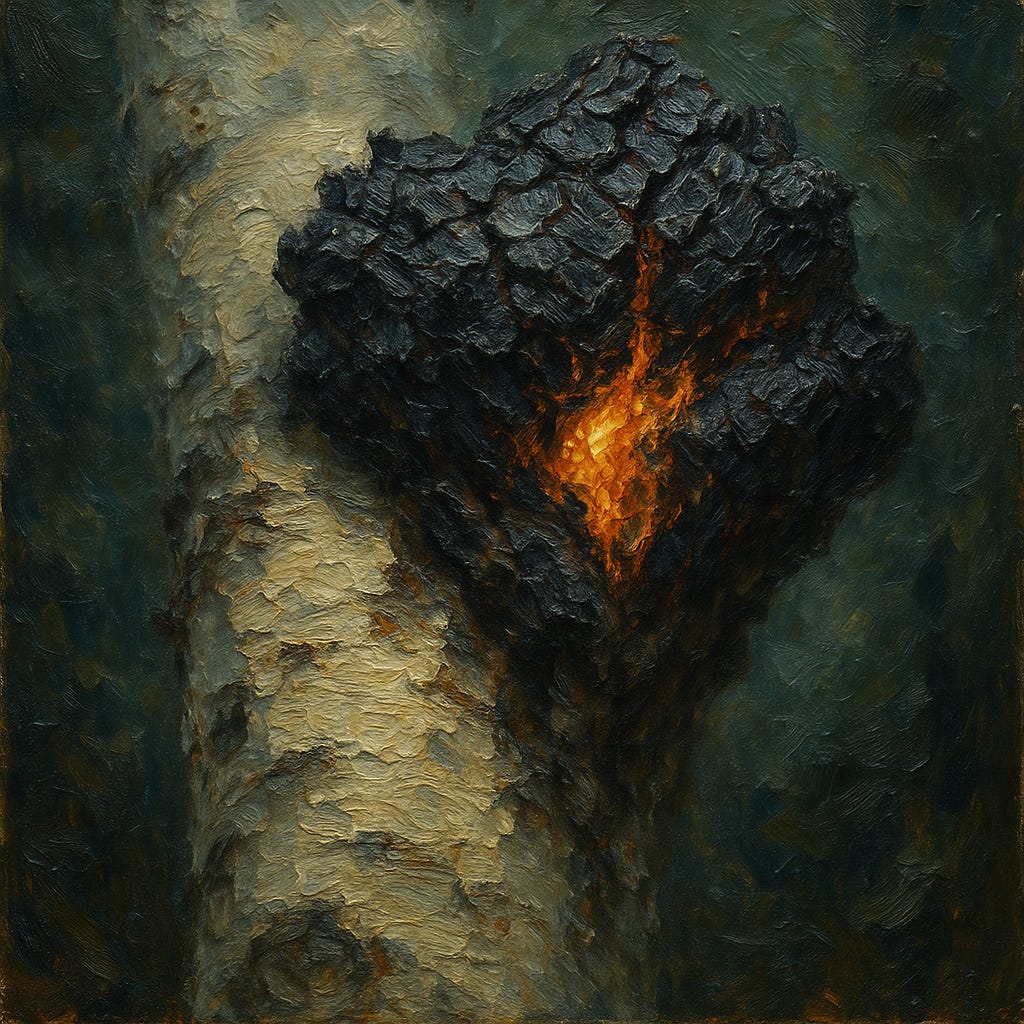
In the circumpolar forests of the northern hemisphere, a black, charcoal-like growth emerges from birch trees with a burnt, lightning-struck appearance that belies its extraordinary healing properties. This is Chaga—Inonotus obliquus—a mushroom that Siberian shamans have long crowned the “king of the mushrooms,” not for its regal appearance, but for what Russian novelist Aleksandr Solzhenitsyn called its unlimited benefits. For thousands of years, this strange denizen of the forest has been used as medicine, tea, fire starter, and spiritual ally across Asia and Northern Europe. Now, as modern science begins to validate what traditional wisdom has always known, Chaga stands at a remarkable intersection: a ancient folk remedy whose beta glucans, melanin, betulinic acid, and superoxide dismutase content are revealing mechanisms of healing that pharmaceutical research is only beginning to understand.
David Wolfe’s book inaugurates a new series on superherbs with a subject that deserves the royal treatment. The journey begins with Chaga’s natural history—its relationship with birch trees, its role in forest ecosystems, its appearance in everything from ancient Chinese herbalism texts to the equipment of Ötzi the Iceman found preserved in an Alpine glacier. From there, the book moves through centuries of traditional use in Siberian medicine, the Russian research that led to its approval for cancer treatment in 1955, and contemporary scientific investigations into how its compounds work at the cellular level. But this isn’t just a book about studying Chaga from a distance. Wolfe provides detailed guidance on harvesting wild Chaga, preparing it as tea and tinctures, incorporating it into recipes from breakfast smoothies to chocolate desserts, and understanding the differences between wild specimens and laboratory-grown mycelium products. The recipes alone—ranging from simple Chaga tea to elaborate formulations combining multiple medicinal mushrooms and superherbs—transform abstract nutritional information into daily practice.
What makes this work distinctive is Wolfe’s refusal to separate the poetic from the practical, the mystical from the molecular. He writes about mushroom spores traveling through space with the same careful attention he brings to extraction temperatures and ORAC scores. The book treats Chaga as both a measurable concentrate of antioxidants and melanin, and as what he calls a “denizen of an enchanted realm”—a bridge between the visible world and something less easily detected. This approach serves readers whether they come to Chaga seeking relief from specific health challenges, looking to understand medicinal mushrooms more broadly, or simply wanting to know how to make their morning beverage more nourishing. A cancer patient will find detailed protocols combining traditional and modern approaches. A forager will learn how to identify Chaga in the wild and distinguish it from look-alikes. Someone interested in the science gets access to research on beta glucans’ effects on immune function, betulinic acid’s selective cytotoxicity against tumor cells, and melanin’s radioprotective properties—all explained in accessible language with extensive citations.
The first rule of herbalism, Wolfe writes, is compliance: will you actually take the herbs? This book exists because knowledge without application remains abstract, and Chaga’s benefits only manifest when consumed. The pages that follow offer more than information about a medicinal mushroom. They present an invitation into a different relationship with healing—one that positions us not as passive recipients of pharmaceutical interventions but as active participants in our own wellness, connected to forests, traditional wisdom, and the intelligence inherent in natural systems. Whether you’re holding a cup of Chaga tea for the first time or you’ve been hunting this king of mushrooms for years, what follows is both a comprehensive guide and an opening into mysteries that science is only beginning to map.
With thanks to David Wolfe.
Chaga: King of the Medicinal Mushrooms: Wolfe, David
Deep Dive Conversation Library (Bonus for Paid Subscribers Only)
This deep dive is based on the book:
Discussion No.147:
Insights and reflections from “Chaga: King of the Medicinal Mushrooms”
Thank you for your support.
Analogy
Imagine chaga as nature’s ancient fortress-library built inside birch trees over decades. Just as a great library doesn’t merely store books but actively organizes, concentrates, and preserves knowledge from countless sources into accessible wisdom, chaga doesn’t just sit passively in the birch tree—it actively absorbs, transforms, and concentrates the birch’s medicinal compounds (like betulin from the bark) along with minerals from deep in the earth, combining them with its own unique creations (beta glucans, melanin, triterpenes) into a bioavailable medicine chest.
The fortress aspect represents chaga’s defensive powers: its melanin acts like armor that converts radiation and UV rays into harmless heat (imagine a shield that turns arrows into warm air); its beta glucans function like messenger pigeons that alert and mobilize your body’s immune army (macrophages); its betulinic acid works like a precision strike force that identifies and eliminates only enemy cells (cancer) while leaving friendly civilians (healthy tissue) completely unharmed. And like a fortress that becomes stronger the longer it stands, chaga growing for 20-25 years develops maximum medicinal potency—and remarkably, when you harvest a piece, the tree can grow it back, just as a great library can create new copies of its most valuable texts. You’re not just consuming a mushroom; you’re accessing a biological archive of healing wisdom that took decades to compile and that humans have trusted for over 5,000 years.
The One-Minute Elevator Explanation
Chaga is a black, charcoal-looking mushroom that grows on birch trees in cold northern forests and has been used for over 5,000 years as one of the most powerful natural medicines known. Think of it as nature’s ultimate medicine chest—it concentrates healing compounds from birch bark (particularly betulin and betulinic acid) that selectively destroy cancer cells while leaving healthy cells alone, contains more antioxidants than almost anything else on earth (25-50 times more SOD than other medicinal mushrooms), and is packed with beta glucans that supercharge your immune system by activating macrophages.
What makes chaga unique is its melanin content (highest of any food), which protects from radiation by converting it to harmless heat, and its concentration of three rare alkaline minerals—cesium, rubidium, and potassium—at levels found nowhere else in nature, which create an alkaline environment where cancer cells self-destruct. You can drink it as tea daily (tastes like vanilla-maple), take it as tincture, or eat it as powder, and it’s completely safe with zero side effects or toxicity—even the FDA classifies it as food. Russian and Finnish folk medicine used it for everything from cancer to skin conditions to daily vitality, Siberian shamans called it “king of the mushrooms,” and modern research continues validating these traditional uses with studies showing it fights dozens of cancers, protects against chemotherapy damage, regenerates skin, supports the liver, balances blood sugar, and fundamentally strengthens your body’s ability to heal itself through multiple pathways working together.
[Elevator dings]
Research threads to explore: Paul Stamets’ work on medicinal mushrooms and mycelium networks; betulinic acid’s selective cancer cell apoptosis mechanisms; the relationship between alkaline pH and cancer prevention (Otto Warburg’s Nobel Prize research); melanin’s role in radiation protection and pineal gland function.
12-Point Summary
1. Chaga is the King of Medicinal Mushrooms Chaga grows on birch trees in northern forests and contains the highest concentration of medicinal compounds of any mushroom. It has more melanin than any food, 25-50 times more SOD than other medicinal mushrooms, powerful beta glucans, and concentrated birch medicines including betulin and betulinic acid.
2. Beta Glucans Activate Your Immune System Beta glucans are polysaccharides that unlock your macrophage defense system—your body’s first line of immune intelligence. Chaga’s 29 different beta glucans stimulate white blood cell production, activate NK cells and T-cells, accelerate recovery from chemotherapy/radiation, and fight over 40 different conditions.
3. Betulin and Betulinic Acid Destroy Cancer Selectively Chaga absorbs betulin from birch bark and converts it to betulinic acid, which halts cancer cell growth across lung, colorectal, breast, prostate, and cervical cancers at equal concentrations. It causes selective apoptosis in cancer cells while ignoring healthy tissue, with virtually no side effects.
4. Melanin Protects DNA from Radiation Chaga contains more melanin than any known food, converting 99.9% of UV radiation into harmless heat through “ultrafast internal conversion.” It deactivates radioactive isotopes, protects against radiation treatments, and supports pineal gland function, mental health, and consciousness.
5. The Chaga-Birch Symbiosis Concentrates Healing Compounds Chaga lives symbiotically within birch trees, concentrating and transforming the tree’s medicines while improving the tree’s immune system. This partnership creates compounds more powerful than either organism alone—essentially making wood medicinally edible for humans.
6. Cesium, Rubidium, and Potassium Create Alkaline Environment Chaga concentrates extraordinary levels of these “king, queen, and prince of alkaline elements” (pH 9.6), creating conditions where cancer cannot survive. Cancer thrives in acidity and dies in alkalinity—populations with high rubidium/potassium diets show cancer rates of 1 in 1,000 versus 1 in 4 for typical diets.
7. Multiple Extraction Methods Capture Different Compounds Water extraction (tea) captures beta glucans, melanin, and minerals for immune support—drink 3-8 cups daily. Alcohol extraction (tinctures) captures triterpenes, betulin, and betulinic acid for cancer-fighting—take 3-6 droppers daily. Dual extracts combine both for comprehensive benefits.
8. Chaga Has 5,000+ Years of Validated Traditional Use The Otzi Iceman (5,100+ years ago) carried chaga, and it’s been used continuously across Siberian, Russian, Chinese, Finnish, and Japanese cultures. Russian folk medicine officially approved it for cancer treatment in 1955. Cross-cultural validation spanning millennia confirms its reliability.
9. Geographic Location and Quality Matter Canadian Shield chaga shows highest concentrations of anticancer minerals due to ancient volcanic geology, pristine old-growth forests, and cold temperatures. Chaga from living healthy birch above 1.5 meters in intact forests provides superior medicinal potency.
10. Chaga Protects During Chemotherapy and Radiation Chaga’s betulin protects the liver, antioxidants neutralize oxidative damage, and melanin binds radioactive isotopes. Beta glucans regenerate red blood cells and restore bone marrow after treatment. Research shows 74.6% growth-inhibitory rates for certain cancer cell lines.
11. Macrophages Are Your Body’s Ancient Intelligence Macrophages are large white blood cells representing your first immune defense. Chaga’s beta glucans activate them through specific receptor sites, triggering stem cell production in bone marrow and cascading immune enhancement throughout your entire system.
12. Chaga Is Completely Safe as Daily Food-Medicine Zero reported side effects or toxicity across thousands of years. Safe for all ages (1-101+), including pregnancy. FDA classifies it as “food,” WHO grants GRAS status. Traditional protocols use 8 cups daily for months with no toxicity—it’s food that functions as medicine.
The Golden Nugget
Chaga may not be a single organism but a symbiotic partnership between a fungus and an extremophile (possibly ancient Archaea). Evidence emerged when chaga tea drinkers found hard mycelium spindles in their compost—meaning something survived boiling, digestion, excretion, and continued growing.
Like Cordyceps and lichen, chaga may consist of two organisms, with an extremophile component that withstands boiling temperatures, stomach acid, and environmental transformation while retaining regenerative ability. This overturns the assumption that chaga is sterile and suggests a sophisticated biological partnership potentially millions of years old.
This explains chaga’s unique properties: growing outside the tree rather than inside, concentrating atmospheric energies and Ormus minerals unlike other mushrooms, and possessing unmatched medicinal potency. You’re not consuming a simple fungus but an ancient symbiotic alliance between kingdoms of life—possibly carrying cosmic origins and survival strategies refined over eons.
25 Q&As
Question 1: What is chaga mushroom and why is it called the “King of the Medicinal Mushrooms”?
Answer: Chaga (Inonotus obliquus) is a medicinal tree mushroom that grows predominantly on living birch trees in the circumpolar temperate forests of Earth’s northern hemisphere. It appears as a black, charcoal-like growth bursting from the bark with an irregular shape, though sometimes phallic, and reveals rust-orange colors and twisted creamy veins when cut open. The title “King of the Medicinal Mushrooms” comes from traditional Siberian shamans who recognized chaga as the most powerful member of the mycelium kingdom, a designation that continues to be validated by modern research showing it contains perhaps the greatest storehouse of medicinal healing properties of any single mushroom or herb.
Chaga’s royal status stems from its unique composition as a dense configuration of antioxidant pigments combined with powerful polysaccharides, particularly beta glucans, which work together to modulate the immune system in ways other mushrooms cannot match. It contains 25 to 50 times more superoxide dismutase (SOD) than other medicinal mushrooms and possesses the highest melanin content of any food or herb known, along with concentrated birch bark medicines like betulin and betulinic acid. As a premier adaptogen, immune-system modulator, cancer fighter, digestive tonic, and DNA-shielding agent, chaga’s multifaceted healing powers justify its position at the top of the medicinal mushroom hierarchy.
Question 2: How does chaga support the body’s fight against cancer, and what are the primary mechanisms through which it works?
Answer: Chaga fights cancer through multiple simultaneous mechanisms rather than a single pathway, making it a comprehensive anticancer agent. The beta glucans in chaga activate macrophages and other immune cells that recognize and destroy cancerous cells through phagocytosis, while simultaneously stimulating the production of cytokines and antibodies that enhance overall immune response. The polysaccharides work to inhibit nuclear factor kappa B, a compound that causes healthy cells to mutate or self-destruct, thereby preventing the formation of new cancer cells while the immune system eliminates existing ones. Additionally, chaga’s betulinic acid selectively targets cancer cells because both have a low pH (acidic environment), causing apoptosis—the spontaneous breakdown of cancer cells—without harming healthy tissue.
The anticancer arsenal extends beyond immune activation to include direct tumor inhibition and protection during conventional treatment. Chaga’s melanin content binds radioactive isotopes into less toxic forms, protecting healthy tissue during radiation therapy while its powerful antioxidants neutralize the oxidative damage caused by chemotherapy. The mushroom’s liver-protective betulin helps detoxify chemotherapy chemicals, and its ability to prevent blood clumping and thrombi formation stops cancer cells from spreading throughout the body. Research shows chaga extracts have demonstrated effectiveness against a wide range of cancers including melanoma, breast, lung, liver, prostate, cervical, colon, and various leukemias, with studies showing growth inhibition rates as high as 74.6% for certain cancer cell lines.
Question 3: What are beta glucans, how do they function in the immune system, and why are they considered one of chaga’s most important compounds?
Answer: Beta glucans are long-chain, non-sweet carbohydrates (polysaccharides) that consist of repeating units of D-glucose molecules linked by a 1,3 linear beta glycosidic chain core with variable branching structures. These water-soluble compounds act as “biological response modulators” that function as keys turning on the body’s macrophage defense response, beginning with increased production of stem cells in the bone marrow and cascading into events that supercharge white blood cells as they develop, mature, and then devour antigens, pathogens, toxins, and cellular waste debris. Chaga contains 29 different types of beta glucans, and when these molecules enter the body through the small intestine, they are captured by macrophages through specific beta glucan receptor sites on the cells’ membranes, internalized, fragmented, and transported to the bone marrow and reticuloendothelial system where they stimulate a comprehensive immune response.
The importance of beta glucans lies in their scientifically proven ability to dramatically enhance the immune system’s capacity to fight disease across virtually all threats the body faces. Research shows that animals and humans pretreated with beta glucans become more resistant to bacterial, viral, fungal, and protozoan challenges, reject incompatible grafts more rapidly, and produce higher titers of antibodies to specific antigens. Beta glucans have demonstrated effectiveness against over 40 different conditions including cancer, diabetes, heart disease, infections, autoimmune disorders, radiation damage, and wound healing. Their power to regenerate red blood cells following bone marrow injuries from chemotherapy and radiation, combined with their ability to reduce genotoxicity induced by cancer drugs, makes them essential for both cancer prevention and treatment support—all while working synergistically with chaga’s other compounds like triterpenes, sterols, and antioxidants.
Question 4: What is betulin and betulinic acid, where do these compounds come from, and what medicinal properties do they possess?
Answer: Betulin is a lupane-type pentacyclic triterpene that appears as the white shiny powdery material most easily identified in birch bark, where it can constitute 5% to 35% of the bark’s dry-matter weight depending on the birch species. Chaga mushroom absorbs betulin from the birch bark and converts it into more bioavailable forms including betulinic acid and lupeol, with the charcoal-like outer skin of wild chaga containing approximately 30% betulin. This concentration and conversion process is why chaga is considered superior to consuming birch bark directly—the mushroom acts as a biological transformer that makes these powerful medicines more accessible to human digestion and metabolism.
The medicinal properties of betulin and betulinic acid span an extraordinary range of healing applications that have been validated by modern research. These compounds demonstrate anticancer activity by selectively causing apoptosis in tumor cells without harming healthy tissue, with betulinic acid showing effectiveness against melanoma, brain tumors, lung, colorectal, breast, prostate, and cervical cancers at concentrations that completely halt colony formation in all tested cell lines. Beyond cancer, betulin and betulinic acid function as antiviral agents against HIV, herpes, and respiratory viruses; antibacterial agents that eliminate typhoid, tuberculosis, and diphtheria; anti-inflammatory compounds that reduce chronic inflammation; antioxidants that neutralize peroxide free radicals; and liver-protective agents that improve bile secretion and detoxification. Additional properties include antiparasitic effects, antimalarial activity, wound healing acceleration, skin protection and regeneration, fever reduction, immunomodulation, and the ability to decrease hypoxia while increasing the body’s stability to oxygen deficiency—all with virtually no side effects even at megadoses of 600 mg/kg body weight.
Question 5: How does melanin in chaga protect the body from radiation and UV damage, and what other functions does it serve in human health?
Answer: Melanin in chaga protects against radiation and UV damage through a process called “ultrafast internal conversion,” where melanin compounds absorb harmful UV radiation frequencies and convert approximately 99.9% of the absorbed energy into harmless heat. This same protective mechanism allows melanin to deactivate radioactive isotopes by binding them into benign forms, which explains why chaga has traditionally been used to protect against radiation treatments and why it may offer protection against radioactive fallout. The melanin pigments are constructed of electrically conductive polymers—polyacetylene, polypyrrole, and polyaniline—that interact with all types of radiation including light, heat, and kinetic energy, creating a biological shield that protects DNA from cumulative damage that would otherwise lead to skin cancers including malignant melanoma.
Beyond radiation protection, melanin serves critical functions throughout multiple body systems where it naturally occurs. In humans, melanin is found in skin (determining color), hair (providing pigmentation), eyes (creating iris color), the inner ear (protecting against hearing damage), the nervous system (in pigment-bearing neurons throughout the brainstem), the adrenal glands (in the zona reticularis), and most importantly in the pineal gland, which requires melanin more than any other nutrient to function optimally. Chaga provides the most concentrated dietary source of melanin available, which lightens the body’s nutrient-demanding melanogenesis processes and helps restore youthful appearance in hair, skin, and eyes. The melanin functions as a neurologically active protein concentrated in neurons that produce important neurotransmitters like serotonin, dopamine, and adrenalin, making it essential for mental health, consciousness development, and intelligence while simultaneously protecting cellular structures from high temperatures, chemical stresses like heavy metals, and biochemical threats by improving immunological defenses against pathogens.
Question 6: What is the relationship between chaga and birch trees, and how does this symbiotic connection enhance chaga’s medicinal properties?
Answer: Chaga grows in a symbiotic endophytic relationship with birch trees, primarily white birch and yellow birch, where it lives within the tree for part or all of its life without causing apparent disease, contrary to the parasitic theory that suggests chaga kills its host. The mushroom typically erupts where birch trees have been injured or damaged, not as the entry point but as a protective force that improves the “immune system” of the host tree and the forest itself—research shows chaga extracts can be applied topically to heal tree diseases, permanently improving the tree’s resistance to future infections. In this partnership, chaga concentrates and transforms the powerful medicinal compounds found in birch bark, particularly betulin, betulinic acid, and lupeol, making them more bioavailable for human consumption while the birch provides the substrate and nutrients the mushroom needs to develop its extraordinary healing properties.
Birch trees themselves are edible and medicinal organisms whose bark, leaves, buds, sap, and wood all possess therapeutic value, making them unmatched among trees for multiple medicinal uses. Birch bark can be made into tea with a wintergreen flavor, though interestingly these wintergreen compounds do not pass into chaga, indicating the mushroom selectively concentrates different medicinal molecules. The birch tree’s ability to purify the atmosphere has been scientifically documented—birch forest air contains only 400 microbes per cubic meter, lower than hospital operating room standards. Russian folklore suggests that in regions where birch bark is traditionally used in household articles like baskets, boxes, and food-storage containers, people live longer and cancer rates are lower. This makes the chaga-birch relationship a perfect example of nature’s synergy, where the mushroom acts as a biological concentrator and transformer of the tree’s medicines, creating a compound remedy more powerful than either organism could produce alone.
Question 7: What role does superoxide dismutase (SOD) play in chaga’s antioxidant power, and how does chaga’s SOD content compare to other medicinal mushrooms?
Answer: Superoxide dismutase (SOD) is a liver-cleansing, cell membrane-protective, genoprotective longevity enzyme that functions as a super-antioxidant by neutralizing superoxide free radicals—highly reactive oxygen molecules that damage cells, proteins, and DNA. SOD catalyzes the breakdown of these dangerous superoxide radicals into ordinary molecular oxygen and hydrogen peroxide, which the body can then safely process through other enzymatic pathways. This makes SOD one of the body’s primary defense mechanisms against oxidative stress, aging, and disease, and having adequate SOD levels is critical for maintaining cellular health, preventing mutations, and supporting longevity.
Chaga stands as one of the best natural sources of SOD available, containing 25 to 50 times more SOD than other medicinal mushrooms and surpassing even rich sources like barleygrass, seaweeds, marine oils, and some essential oils. In volumetric laboratory research, wild Siberian chaga alcohol tincture tested at 3,781 kilo-units SOD-equivalent per liter, while other medicinal mushrooms tested dramatically lower: maitake at 85, cordyceps at 81, reishi at 23, and agaricus at 24 kilo-units SOD-equivalent per liter. When measured by mass, the differences are equally striking—Siberian chaga contains 35,000 units per gram compared to reishi at 1,400, agaricus at 1,500, and trues at 860 units per gram. This exceptional SOD concentration contributes significantly to chaga’s overall ORAC score (oxygen radical absorbance capacity) of 282 micromoles TE per gram for raw dried wild chaga, with 247 micromoles being water-soluble, making properly prepared chaga tea an extraordinarily powerful antioxidant beverage.
Question 8: How have different cultures historically used chaga, from Siberian shamans to Russian folk medicine?
Answer: Siberian shamans have used chaga for thousands of years as the centerpiece of their traditional healing practices, consuming it as a nutritional medicine and daily tea, using it as an external treatment for skin conditions in both tea and wetted-poultice form, inhaling it as smoke for medicinal purposes, and utilizing it as fire starter and kindling—a fourfold application that demonstrates the mushroom’s versatility and importance in their culture. The shamanic designation of chaga as “king of the mushrooms” reflects their deep understanding of its healing powers, and large chaga sclerotia were cored, dried, and covered with prepared animal skin to create shamanic drums that played a role in spiritual and healing ceremonies. This shamanic wisdom spread throughout Asia, with the Chinese book Shennong Ben Cao Jing (possibly written around 2800 BCE) naming chaga as a superior medicinal herb, while Finnish, Norwegian, and Japanese cultures each developed their own names and applications for this revered mushroom.
Russian folk medicine embraced chaga so thoroughly that it became woven into the cultural fabric, with traditional healers using it for malignancies, digestive diseases, and overall vitality enhancement. In the 12th century, Tsar Vladimir Monomah was treated with chaga for symptoms of lip cancer, and by 1955 the Medical Academy of Science in Moscow officially approved chaga for public use against cancer. Russian folklore holds that in regions where birch bark (and by extension chaga) is used in household articles, people live longer and cancer rates are lower—a belief that modern research on chaga’s anticancer properties continues to validate. The Russian practice of making chaga tea, tinctures (nastoika), and even using it in saunas alongside birch branches demonstrates a comprehensive understanding of the mushroom’s healing potential. During World War II, Finns used chaga as a coffee replacement due to food rationing, while ancient Russian medical manuals recommended birch and chaga for treating purulent wounds, stating “so that the rotten meat from the ulcer was eaten away, ground birch crust should be poured into the rotten wound.”
Question 9: What is the significance of the Otzi the Iceman discovery in relation to chaga’s historical use?
Answer: On September 19, 1991, two German tourists discovered the preserved remains of “Otzi the Iceman” in a melting glacier in the Austrian-Italian Alps, and subsequent scientific investigation revealed that this individual lived approximately 5,100 to 5,350 years ago and died between the ages of 40 and 45, likely from an arrow wound. Among the artifacts found in Otzi’s belt were one or two pieces of dried chaga along with another birch mushroom, Fomes fomentarius, providing direct physical evidence of medicinal mushroom use dating back over five millennia. This discovery fundamentally confirmed what mushroom researchers had long suspected—that medicinal tree mushrooms have been utilized for an extraordinarily long span of human history, far longer than most pharmaceutical or herbal traditions for which we have documentation.
Researchers believe Otzi and his people used chaga and Fomes fomentarius for multiple essential purposes: starting fires as a portable form of kindling, preventing bacterial and viral infections, healing wounds, and treating intestinal parasites. The portability, medicinal concentration, and multiple practical uses of chaga make it an obvious choice for ancient nomadic or traveling people who needed compact, multipurpose survival tools. The Iceman’s chaga supply represents what survival skills experts call a “coal extender”—once prepared and lit, chaga is extremely difficult to put out and can be carried as a live ember inside a hollowed Fomes fomentarius mushroom, allowing travelers to transport fire across long distances. This archaeological evidence validates not only chaga’s medicinal use but also its critical role in human survival and migration, suggesting that the relationship between humans and medicinal mushrooms may be one of our oldest and most important partnerships with the natural world.
Question 10: How does one identify, harvest, and properly store wild chaga mushroom?
Answer: Wild chaga appears as a black, charcoal-like growth bursting from the bark of living birch trees (occasionally alder, ash, beech, elm, or maple) with an irregular shape, though sometimes phallic, and features a scorched outer surface with burnt-charcoal appearance that is unmistakable once you know what to look for. When broken open, the interior reveals orange-brown colors, twisted creamy veins, and layers of black-brown antioxidants with a cork-like texture—this is the valuable part containing concentrated medicines. Chaga prefers growing in yellow birch and white birch near springs, streams, wetlands, and marshy regions in circumpolar temperate forests, though it can also be found in rocky crags and hills. Be aware of the black knot fungus (Apiosporina morbosa), a look-alike that grows predominantly on cherry, apricot, and plum trees—if you find this on your trees, cut off the affected branch and burn it to prevent spread.
The best harvesting time is mid-July to mid-November in the northern hemisphere when the chaga is not frozen to the tree; winter harvesting requires a hatchet while summer allows hand-picking or using a large rock, which is preferable as metal tools create a disturbing paramagnetic effect on the tree. Traditional Russian practice suggests only using chaga growing higher than 1.5 meters from the ground, as higher specimens contain greater concentrations of medicinal betulin. After harvesting, dry the fresh chaga in direct sunlight for several days (bringing it in at night) or use a dehydrator at 105°F or a stove at 200-250°F. Once completely dry, break into golf ball-sized chunks using a mortar and pestle or hammer, then store in airtight glass containers, preferably Miron violet glass, or following Russian folklore, in a birch-bark box to enhance chaga’s subtle energies. Avoid storing chaga that develops a white mildew film, and remember that chaga loves cold temperatures (thriving at -40°F/-40°C) and that only about 0.025% of trees will grow a chaga mushroom, making it relatively rare even in prime growing regions.
Question 11: What are the differences between wild chaga and laboratory-grown chaga mycelium in terms of potency and medicinal compounds?
Answer: Wild chaga sclerotium—the hardened, black exterior growth picked from living birch trees—contains the full spectrum of medicinal compounds concentrated from the birch tree including high levels of betulin, betulinic acid, lupeol, and melanin, with the charcoal-like skin containing approximately 30% betulin and the yellow-orange inner core dominated by fungal lanostane triterpenes. Research comparing potency shows wild chaga extracts exhibit 86.1% antitumor activity compared to 59.9% for cultivated chaga and 71.8% for cultivated fruiting body, making wild chaga the most powerful form. Wild chaga also demonstrates superior antioxidant activity with ORAC scores of 282 micromoles TE per gram and SOD content of 35,000 units per gram, significantly higher than other sources. The mineral profile of wild chaga varies by geographic location, with specimens from the Canadian Shield showing particularly high concentrations of cesium, rubidium, and potassium—the “king, queen, and prince of alkaline elements.”
Laboratory-grown chaga mycelium is cultivated in controlled environments on grain material (usually organic rice) and contains more protein and several different polysaccharides compared to wild chaga, including valuable beta glucans that support immune function. These techno-grown products comprise most encapsulated chaga supplements available commercially and have their own healing properties validated by scientific literature, particularly for immune system support. However, mycelium products have never been shown to possess the radioprotective properties that wild chaga demonstrates, likely due to the absence of concentrated melanin and birch-derived compounds. Raw mycelium products are preferable to heat-processed versions because temperatures above 150°F (65°C) break down beneficial proteins and enzymes including gluco-amylase, laccase, peroxidase, protease, and superoxide dismutase. The available information indicates that all forms—wild chaga tea, extracts, alcohol tinctures, and commercial mycelium powder—have unique and valuable healing properties, suggesting that the ideal approach combines both wild chaga preparations and high-quality mycelium supplements to capture the full range of medicinal benefits.
Question 12: What minerals are concentrated in chaga, particularly cesium, rubidium, and potassium, and why are these important for cancer prevention?
Answer: Chaga concentrates extraordinary levels of cesium (Cs+), rubidium (Rb+), and potassium (K+)—called the “king, queen, and prince of alkaline elements”—at quantities that far exceed any other food source, with wild chaga achieving an alkaline pH of 9.6 in first water extracts. These three water-soluble minerals are among the most alkaline elements in nature, and chaga appears to be exceptionally efficient at concentrating them from birch trees and volcanic soils. Laboratory analysis using ICPMS-DRC instrumentation (measuring in parts per trillion) reveals that chaga contains dramatically higher levels than even green tea and orange pekoe tea, the next-best sources. The only comparable dietary sources are found in populations living in volcanic soil regions—Hawaii, Peru, Ecuador—where the soil naturally contains elevated cesium, rubidium, and potassium that gets absorbed by plants and drinking water.
These alkaline minerals are critically important for cancer prevention and treatment because cancer cells thrive in acidic environments and go into self-destruct mode (apoptosis) in alkaline conditions, a principle for which Dr. Otto Warburg received the 1931 Nobel Prize for Physiology or Medicine. The Hopi Indians in Arizona demonstrate this relationship clearly—their diet contains very high levels of rubidium and potassium, and their cancer rate is 1 in 1,000 compared to the rest of the United States at 1 in 4. Similarly, Hawaii has lower cancer rates (4.3%) than the rest of the United States (5-9%) and a 10% higher cancer survival rate, along with longer life expectancy (79.8 years versus 76.9 years), all correlating with volcanic soil rich in these alkaline elements. One controversial study using cesium chloride treatment showed a 50% recovery rate in 50 cancer patients (mostly terminal cases), though cesium chloride can be toxic at high concentrations. Chaga provides these alkaline minerals in organic form along with germanium and zinc (both important for immune function), creating an anticancer mineral profile unavailable in any other food while avoiding the toxicity concerns of isolated mineral supplements.
Question 13: How do you prepare chaga tea properly, and what extraction methods yield the most medicinal benefits?
Answer: Proper chaga tea preparation begins with cold pure spring water in a 316T stainless steel or Pyrex glass teapot, into which ground chaga powder or chunks are placed and allowed to steep cold for a few minutes up to an hour before any heating begins. The water should then be brought up to hot temperature—no hotter than three-quarters of the way to a full boil (approximately 160°F or 75°C)—over 45 minutes to 1 hour, allowing for optimal extraction of herbal ingredients and essences without damaging the water molecules. Boiling water should be avoided because research by Paul Kouchako shows that water heated to or near boiling causes a white blood cell reaction in the drinker even after cooling, as if cooked food was consumed, indicating biological confusion that activates the immune system. The tea can be strained using a strainer pressed into the surface to push chaga chunks away, and importantly, the chaga can remain in the tea for days or even over a week as long as a lid is kept on when cool, allowing for multiple extractions from the same material.
To maximize medicinal extraction from wild chaga, several techniques can be combined: first, freeze the chaga tea (containing the chaga pieces) after hot-water extraction, then reheat—the freezing breaks down fiber in the chaga pieces, liberating more medicinal elements upon reheating. Second, recognize that many liver-supporting, cancer-fighting, and tumor-fighting triterpenes and betulin compounds are alcohol-soluble but not water-soluble, so a fraction of wild chaga should be crushed and placed in alcohol-based medium containing at least 40% alcohol (preferably over 120 proof). Spent chunks from tea-making can be repurposed by drying them out and dropping into alcohol for extraction. Third, use dual-extraction products that combine both water and alcohol extractions to capture the complete spectrum of medicinal compounds—water extracts polysaccharides including beta glucans, while alcohol extracts triterpenes, betulin, betulinic acid, and antiviral compounds. The more surface area exposed (the finer the chaga is crushed), the greater the extraction, though crushing with mortar and pestle is preferable to metal blenders to preserve nutrient integrity.
Question 14: What is the recommended protocol for using chaga as part of an anticancer diet and treatment support?
Answer: The traditional anticancer chaga protocol involves drinking eight cups of chaga tea daily and/or taking six to nine tablespoons (two to three shots) of chaga alcohol tincture per day, preferably using a dual extraction containing both water-soluble and alcohol-soluble fractions of wild chaga, for a treatment period of three to five months. The diet is restricted to milk products and vegetables with no meat, sausages, preservatives, or strong spices, allowing time for chaga to purify the blood and regenerate deteriorated organs and glands. For swelling of the lower bowel and colon cancer, chaga decoctions are prepared for colonics. This traditional approach recognizes that chaga works gradually like yeast—water too hot will kill the living fungus—and that the body needs time to respond to the mushroom’s healing influences.
The present-day anticancer chaga diet expands on the traditional protocol by incorporating modern nutritional knowledge while maintaining the intensive chaga consumption: eight strong cups of wild chaga tea daily and/or 20 to 40 droppers full of chaga tincture, combined with other medicinal mushrooms (reishi, Trametes versicolor, maitake, shiitake, Agaricus blazei, phellinus). The diet eliminates all meat and poultry except cooked salmon or trout once or twice weekly to maintain primordial strength (jing energy), avoids common bread in favor of raw crackers and Essene or Ezekial bread, eliminates sweet fruits except some organic and wild berries, and emphasizes green leafy vegetables, wild foods, low-sugar root vegetables, fresh celery-based green juices, and high-quality fats (hempseed oil, olive oil, raw butter, DHA/EPA algae oil). Additional components include fermented foods (raw goat milk kefir), raw egg yolks, seaweeds, green sprouts, medicinal flowers, superherbs and superfoods, specific supplements (Protocel, lysine, betaine, indole 3 carbinol with DIM, vitamin D3, digestive enzymes), chaga tea enemas once or twice daily, wheatgrass juice enemas weekly, and fasting on chaga tea when strength is good—all organic to avoid chemicals that feed cancer.
Question 15: How do macrophages function in the immune system, and how does chaga activate these critical immune cells?
Answer: Macrophages are large white blood cells classified as phagocytes that represent the first line of defense and the “intelligence” of the immune system, responsible for finding, identifying, breaking down, and removing foreign particles and pathogens such as bacteria, yeast cells, tumor cells, and virally infected cells through a process called phagocytosis. These ancient immune cells are found in primitive invertebrates like the hydra (which has no other immunological cells) all the way up through vertebrates and humans, where billions exist in all tissues, organs, blood, and lymph. Originating in bone marrow from pluripotent stem cells, each macrophage enters the bloodstream as a monocyte, matures, activates, and enters tissues as part of the body’s defense force, undergoing metabolic changes that result in stimulated production of essential immune-supporting substances including cytokines such as interleukin 1, which stimulate the overall immune system and boost bone marrow production.
Chaga activates macrophages through its beta glucans, which act as keys that turn on the macrophage defense response beginning with increased production of stem cells in the bone marrow and cascading into events that supercharge the macrophages as they develop. The macrophages must first “ingest” beta glucans through specific beta glucan receptor sites on their cell membranes, then internalize and fragment the beta glucans within themselves, transporting these fragments to the bone marrow (stimulating more stem cells) and to the reticuloendothelial system. The beta glucan fragments are eventually released by macrophages and taken up by other immune cells including neutrophils, monocytes, natural killer cells, and dendritic cells, leading to numerous enhanced immune responses including adaptability against foreign pathogens, genotoxicity, cancerous growth formations, and environmental toxicity. Research shows that animals pretreated with purified beta glucan particles become subsequently more resistant to bacterial, viral, fungal, and protozoan challenges, reject incompatible grafts more rapidly, and produce higher titers of serum antibodies to specific antigens—all originating from this initial macrophage activation by chaga’s beta glucans.
Question 16: What specific types of cancer has chaga been studied for, and what does the research show about its effectiveness?
Answer: Chaga has been studied for effectiveness against a comprehensive range of cancers including bone, brain, breast, carcinoma, cervical, colon, hepatoma, leukemia, liver, lung, medulloblastoma, melanoma, neuroblastoma, ovarian, sarcoma (including Ewing’s sarcoma), squamous cell cancers of the head and neck, stomach, and uterine cancers. Research on betulinic acid—one of chaga’s primary anticancer compounds—reviewed in vitro sensitivity across broad cell-line panels derived from lung, colorectal, breast, prostate, and cervical cancers (the most prevalent cancer types with highest mortalities), finding that “in all cell lines tested colony formation was completely halted at remarkably equal betulinic acid concentrations that are likely attainable in vivo,” leading researchers to substantiate “the possible application of betulinic acid as a chemotherapeutic agent for the most prevalent human cancer types.” Japanese studies demonstrated inotodiols’ effectiveness in destroying mouse leukemia P388 cells and inhibiting tumor growth in mice bearing Sarcoma-180 cells, while also inhibiting growth in vitro of human lung carcinoma A-549 cells, stomach adenocarcinoma AGS cells, breast adenocarcinoma MCF-7 cells, and cervical adenocarcinoma HeLa cells.
The research consistently shows impressive growth-inhibitory rates and multiple mechanisms of action. In vivo research using ethanol extract of chaga showed a 74.6% growth-inhibitory rate of cancer cells, while a study on melanoma B16-F10 cells demonstrated that water extract of chaga exhibited potential anticancer activity through inhibition of proliferation and induction of differentiation and apoptosis both in vitro and in vivo. Korean research on chaga mushroom found it “induces G0/G1 arrest and apoptosis in human hepatoma HepG2 cells,” concluding that “chaga mushroom may provide a new therapeutic option, as a potential anticancer agent, in the treatment of hepatoma.” The Russian Medical Academy confirmed positive effects against lung and liver cancer specifically. Importantly, chaga’s selective cytotoxicity means it targets cancer cells while leaving healthy cells unharmed—betulinic acid works selectively on tumor cells because the interior pH of tumor tissues is generally lower than normal tissues, and betulinic acid only activates at those lower pH levels, making it naturally attracted to tumor sites in the body with virtually no side effects and no toxicity.
Question 17: How does chaga protect patients undergoing chemotherapy and radiation treatment, and what compounds are responsible for this protection?
Answer: Chaga protects patients undergoing chemotherapy and radiation through three primary mechanisms that work simultaneously to shield healthy tissue while supporting treatment efficacy. First, chaga’s betulin possesses powerful liver-protective effects that help detoxify chemotherapy chemicals, allowing the liver to process and eliminate these toxic substances more efficiently and reducing the burden on this critical organ. Second, chaga’s extraordinary antioxidant properties—particularly its high superoxide dismutase (SOD) content and dense configuration of antioxidant pigments—very quickly neutralize the strong oxidative damage to healthy tissue caused by radioactive chemotherapy. Third, chaga’s melanin content binds radioactive isotopes into less toxic or even nontoxic forms through a process that allows detoxification of radioactive elements to occur, with melanin converting approximately 99.9% of absorbed radiation into harmless heat through “ultrafast internal conversion.”
Beta glucans specifically have been shown to dramatically increase the body’s ability to regenerate red blood cells following bone marrow injuries from chemotherapy and radiation treatments, with research published in Mutation Research demonstrating that “beta-glucan markedly restored the mitotic (cell division) activity of bone marrow cells that had been suppressed by antineoplastic drugs.” The protective effect is attributed to beta glucan’s ability to trap free radicals produced during biotransformation of chemotherapy drugs, while also providing therapeutic support to prevent liver and kidney damage caused by drugs like methotrexate. Aleksandr Solzhenitsyn’s famous story of beating cancer with chaga and radiation treatments (related in The Cancer Ward) illustrates a real-world example of this protection. The combination allows chaga to stop cancer cells from spreading by reinforcing and nourishing healthy cells, preventing blood clumping and thrombi formation, while simultaneously diminishing the side effects of pharmaceutical drugs and chemotherapy—creating a synergistic approach where conventional and natural treatments work together rather than against each other.
Question 18: What are the different forms of chaga products available (tea, tinctures, extracts, powders), and when should each be used?
Answer: Wild chaga products include dried whole chunks or powder for making tea, alcohol tinctures (usually 40-60% alcohol containing fat-soluble triterpenes and betulin compounds), hot-water extracts (capturing polysaccharides and beta glucans), dual extracts combining both alcohol and water fractions, oil extracts made using coconut oil, cacao butter, olive oil and hempseed oil for salad dressings and skincare, and fermented preparations using bacterial cultures like jun. Laboratory-grown chaga mycelium products are typically sold as capsules or bulk powder cultivated on organic rice, preferably freeze-dried and raw to preserve enzymes (gluco-amylase, laccase, peroxidase, protease, superoxide dismutase) rather than spray-dried or heat-processed versions. Russian pharmaceutical preparations like Bifungen represent refined extracts used since 1955 for treatment of stomach and intestinal diseases.
Each form serves specific purposes: wild chaga tea should be consumed daily (three to eight cups) for general health maintenance, immune support, and as the foundation of any therapeutic protocol since the water extraction captures melanin, polysaccharides, beta glucans, and minerals while maintaining an alkaline pH. Alcohol tinctures are essential for accessing liver-protective and anticancer triterpenes not available in water extraction, with recommended dosage of 3-6 full droppers daily for healthy people and up to 20-40 droppers for those requiring intensive therapeutic support. Dual extracts provide the most comprehensive medicinal profile by combining both water and alcohol-soluble compounds in one product. Dried wild chaga powder can be eaten directly as food or flour, providing digestive tract healing through its bioavailable fiber content (61% insoluble, 3.9% soluble). Mycelium powder products offer different polysaccharides and higher protein content than wild chaga, making them excellent daily supplements for immune support, especially when combined with wild chaga preparations for maximum therapeutic effect—the available information validates benefits across all forms, suggesting the ideal approach uses multiple product types simultaneously.
Question 19: How does chaga compare to other medicinal mushrooms like reishi, maitake, and cordyceps in terms of properties and applications?
Answer: Chaga stands as “king” while reishi is recognized as “queen of the medicinal mushrooms”—the most well-studied herb in the history of the world—with each offering distinct but complementary healing properties. Reishi (Ganoderma lucidum) supports healthy immune system, heart, lungs, and kidneys; lowers elevated blood pressure; assists with rejuvenating brain and connective tissue; and fights allergies, making it an ideal partner to chaga’s more aggressive anticancer and antioxidant properties. Cordyceps sinensis fights fatigue, improves endurance, and increases both lung capacity and primordial life-force energy (jing), addressing different aspects of vitality than chaga. When comparing antioxidant capacity, chaga dramatically outperforms other medicinal mushrooms: wild Siberian chaga alcohol tincture tested at 52,452 micromoles TE per liter compared to maitake at 15,977, cordyceps at 12,328, reishi at 4,934, and agaricus at 1,298 micromoles TE per liter.
The superoxide dismutase (SOD) comparison reveals chaga’s extraordinary superiority in this critical antioxidant enzyme: wild Siberian chaga contains 35,000 units per gram versus reishi at 1,400, agaricus at 1,500, trues at 860, maitake at 85 (kilo-units SOD-equivalent per liter), cordyceps at 81, and reishi at 23. Other medicinal mushrooms offer specialized benefits—maitake (Grifola frondosa) for immune modulation, shiitake for cardiovascular support, Trametes versicolor (turkey tail) for particular anticancer polysaccharides, and Agaricus blazei for immune enhancement—but none match chaga’s combination of antioxidant density, melanin content, betulin concentration, and mineral profile. The recommended approach is “guilding” different medicinal mushrooms together to create what Paul Stamets terms a “host defense”—consuming multiple mushrooms simultaneously provides a wide variety of polysaccharides and beta glucans for enhanced immunological effects, with chaga serving as the foundation due to its unmatched potency while other mushrooms contribute their specialized healing properties to create a comprehensive therapeutic program.
Question 20: What is the cosmic mushroom spore theory, and what does it suggest about the origins and evolution of fungi on Earth?
Answer: The cosmic mushroom spore theory, popularized by Terence McKenna and supported by scientists including Francis Crick (co-discoverer of DNA structure) and British astronomers Fred Hoyle and Nalin Chandra Wickramasinghe, proposes that dormant mushroom spores from distant planets were carried by cosmic winds or meteors into Earth’s atmosphere millions or billions of years ago and deposited upon lands and waterways. As primitive bacterial and algae life forms developed and their carbon and silicon wastes formed soil substrate, the dormant spores “sprouted” into mycelium-developing organisms whose evolutionary goal was to establish an ecosystem of multicelled organisms. The mushroom mycelium set itself up to network and nourish chlorophyll-gifted plants while being fed nutrients in return, eventually paving the way for roots of land shrubs and trees while building soil, protecting local DNA from cosmic and volcanic radiation damage, sponging up radioactive isotopes, and detoxifying the environment—ultimately generating vast forestscapes where polypores (wood-eating mushrooms like chaga) evolved to concentrate levitational forces, monoatomic (Ormus) minerals, metals, sulfur, silicon, carbon, and hydrogen into fruiting bodies and spores.
The theory suggests that polypore spores, released in energetic puffs, levitate upward like smoke and can be carried so high through the Coriolis action of weather and wind that some escape Earth’s atmosphere and enter space on their way to the Sun, with some being hurtled to outer planets through slingshot effect and eventually out of the solar system carrying upgraded genetics and new information about Earth. Research supports the viability of this theory: mushroom spores are electron-dense and can survive the vacuum of space, with outer material appearing metallic in nature and layers of light monoatomic (Ormus) elements beneath that shield genetic material from radiation while possessing levitative properties. Historical evidence includes documented cases of strange rains bringing mushroom species identified as “nostoc,” spores collected at 71,395 feet altitude by the Explorer II balloon, and Charles Lindbergh’s surveys catching “considerable numbers of spores” at 1,000 meters over open ocean. The theory represents a radical reimagining of life’s origins—instead of random chemical assembly, it suggests an intentional seeding process where mushrooms serve as biological engineers transforming barren planets into living ecosystems over timescales of hundreds of millions of years.
Question 21: What role does chaga play in skin health and regeneration, and why is it particularly effective against melanoma?
Answer: Chaga demonstrates remarkable affinity for skin health through multiple mechanisms, beginning with its beta glucans content which research shows produces measurable improvements in skin appearance and function. A study of 150 women ages 35-60 using a cosmetic regimen containing beta-1,3-glucan showed 27% improvement in skin hydration after eight weeks, 47% improvement in lines and wrinkles, 60% increase in firmness and elasticity, and 26% improvement in skin color. Beta glucans protect skin from burns when applied topically and when taken internally, while also demonstrating powerful skin-regenerative effects that accelerate wound healing and tissue repair. The mushroom’s high antioxidant content, particularly superoxide dismutase (SOD) and melanin, fights the oxidative damage that causes premature aging, and skin diseases like psoriasis have been documented to respond favorably to ingesting chaga tea, as noted in scientific literature.
Chaga’s particular effectiveness against melanoma (skin cancer) stems from its extraordinarily high melanin content—the highest of any food or herb known—combined with its ability to cause apoptosis in cancer cells through multiple pathways. Research specifically demonstrated that water extract of chaga exhibited potential anticancer activity against melanoma B16-F10 cells both in vitro and in vivo through inhibition of proliferation and induction of differentiation and apoptosis. The melanin in chaga protects against the cumulative, indirect DNA damage induced by UV radiation that eventually leads to development of malignant melanoma through “ultrafast internal conversion” that dissipates 99.9% of absorbed UV radiation as harmless heat. Betulinic acid, heavily concentrated in chaga’s charcoal-like outer skin, has been shown to have selective cytotoxicity against melanoma cell lines along with neuroectodermal and malignant brain tumor cell lines. When combined with chaga’s ability to provide dietary melanin that supports the body’s own melanogenesis (melanin formation), enhance natural tanning while preventing UV damage, and activate the pineal gland which requires melanin for optimal function, the mushroom becomes a comprehensive skin health and melanoma-prevention agent unmatched by any other natural substance.
Question 22: How do you make a chaga alcohol tincture, and what medicinal compounds does alcohol extraction capture that water extraction does not?
Answer: To make chaga alcohol tincture, place two to four heaping tablespoons of powdered wild chaga into 0.5 liter of alcohol ranging from vodka strength (80-100 proof) to pure organic ethanol at 190 proof on the new moon, with 120+ proof alcohol recommended for optimal chaga extraction. Seal the container and shake daily until the full moon or any subsequent full moon, allowing the alcohol to extract the fat-soluble compounds over this lunar cycle. On the full moon, filter out the chaga particles using a fine mesh strainer, then dilute the resulting extract with spring or purified water to bring the final tincture to 60-70 proof (30-35% alcohol)—for example, adding water equal to two-thirds the volume of a 100-proof extract. The diluted tincture is then poured into dropper bottles for easy dosing, with healthy people taking 3-6 full droppers daily and those requiring intensive therapeutic support taking up to 20-40 droppers per day.
Alcohol extraction captures medicinal compounds that water cannot access, particularly the liver-supporting, cancer-fighting, and tumor-fighting triterpenes including lanostane-type compounds, betulin, betulinic acid, and lupeol—the lupane-type pentacyclic triterpenes that demonstrate selective cytotoxicity against cancer cells, antiviral properties against HIV and herpes, antibacterial effects, and immunomodulatory actions. Research by Paul Stamets confirms that “ethanol extraction can pull out many sterols (anti-virals), triterpenoids (anti-inflammatories), and ergothioneines (antioxidants)” while water extraction primarily captures “heavy molecular-weight polysaccharides (immunopotentiators).” The Finnish research team led by Dr. Kirsti Kahlos validated that lanosterol-linked triterpenes extracted in alcohol function as flu vaccination and have antitumor applications, with these compounds demonstrating antiviral, antifungal, anticancer, and antitumor properties. Since these fat-soluble medicines cannot be significantly extracted even with very hot water, alcohol tinctures provide access to an entirely different therapeutic dimension of chaga’s healing power, making dual-extraction products (combining both water and alcohol extracts) the most comprehensive approach to capturing the full medicinal spectrum.
Question 23: What is the significance of geographic location in chaga quality, and why might Canadian Shield chaga be superior?
Answer: Geographic location significantly affects chaga quality through variations in soil mineral content, tree health, forest ecosystem integrity, and climate conditions, with marketing hype often claiming Siberian chaga superiority despite no systematic research comparing chaga samples worldwide for medicinal compounds, nutrients, and vitamins. The mineral content comparison that has been conducted reveals that superior chaga specimens are found within forests of the Canadian Shield of eastern Canada, showing particularly high concentrations of the critical anticancer alkaline elements cesium, rubidium, and potassium. Laboratory analysis using ICPMS-DRC instrumentation demonstrated dramatic variations: chaga from different countries and Canadian regions showed ash content (representing total minerals) ranging from specimens with robust medicinal profiles to those significantly depleted, with “ash percent” directly correlating to cesium, rubidium, and potassium levels—the higher the ash content, the more of these key elements present.
Experience indicates that old-growth forests containing birch produce better-quality chaga specimens than pioneering birch growth in post-deforestation regions, which makes sense given the intact nature of a well-established mycelium community in a climax forest versus disturbed ecosystems. Russian tradition holds that chaga growing higher than 1.5 meters from the ground contains higher concentrations of medicinal betulin, with Finnish research confirming that the higher the specimen on the tree, the greater its betulin concentration. The Canadian Shield’s geology—ancient volcanic rock rich in minerals formed billions of years ago—combined with pristine old-growth boreal forests, cold temperatures that chaga loves (thriving at -40°F/-40°C), and minimal industrial pollution creates ideal conditions for chaga to concentrate maximum medicinal compounds. Additional factors include the health of the specific chaga (dead or dying specimens show depleted minerals, particularly cesium), season of harvest (mid-July to mid-November optimal), and whether the chaga grows near springs or power spots in the forest where energy concentrations naturally occur—all suggesting that source matters tremendously and that wild Canadian Shield chaga from living, healthy birch trees in intact old-growth forests represents the gold standard for medicinal potency.
Question 24: What safety considerations exist for chaga use, and what populations can safely consume it including during pregnancy?
Answer: Chaga tea and chaga mycelium are remarkably safe for all ages (1 to 101+ years) and all stages of life including pregnancy, with pregnant women able to take chaga tea and chaga mycelium daily during their entire pregnancy barring rare tree-mushroom allergies. To date, no side effects or toxicity of chaga have been reported in the scientific literature or traditional use records, making it one of the safest medicinal substances known. The United States Food and Drug Administration (FDA) has classified chaga as “food” rather than a drug or supplement, the World Health Organization has granted it GRAS status (Generally Recognized as Safe), it is legal for distribution in the European Union, and it is classified as a medicinal mushroom by the World Trade Organization—regulatory approvals that reflect both its safety profile and its long history of human use without adverse effects.
The safety extends across different preparation methods and dosage levels: traditional anticancer protocols using eight cups of chaga tea daily plus multiple droppers of tincture for months at a time show no toxicity, and research on betulin and betulinic acid demonstrates that megadoses of 600 mg/kg body weight are well tolerated with virtually no side effects. The mushroom’s adaptogenic properties mean it adjusts to support the specific character and needs of each person rather than forcing the body in one direction, and its classification as a tonic superherb indicates it can be consumed consistently (even multiple times daily) to strengthen immunity and improve core vitality without the risks associated with pharmaceutical interventions. The only caution is that some people may be sensitive to the toxic aspects of wild cherry pits when using recipes containing wild cherry dust, and those with known mushroom allergies should approach chaga cautiously as with any new food. Otherwise, chaga represents an exceptionally safe healing ally suitable for everyone from children to elders, healthy individuals to those fighting serious disease, making it accessible for daily use as both food and medicine without the need for medical supervision or concern about adverse reactions.
Question 25: According to Hippocrates’ dictum “let food be thy medicine and medicine be thy food,” how does chaga exemplify the concept of a tonic superherb that can be consumed daily as food?
Answer: Hippocrates’ famous prescription contains a greater insight in its second half—”medicine be thy food”—which when read literally tells us to eat herbal medicines regularly as food, not just occasionally as remedies for acute conditions. For thousands of years, the Shaolin monks and Daoists of China gathered wisdom about medicinal properties of herbs, mushrooms, and plants, recognizing that while many herbs were wonderful as occasional foods, they were often inappropriate for consistent daily use. However, they identified a distinction whereby superior “tonic” herbs were different and could be eaten regularly as food because they are “tonifying”—meaning they act as overall health and wellness boosters that help restore, tone, and enliven body systems without depleting or overstimulating the body. Chaga exemplifies this concept perfectly as it can be consumed multiple times daily throughout one’s lifetime, strengthening the body cumulatively rather than creating dependency or diminishing returns.
Chaga’s classification as a tonic superherb stems from its naturally high nutritional and medicinal content, proven history spanning thousands of years, and whole-herb synergy where all compounds work together intelligently rather than any single isolated constituent acting alone. The mushroom can be consumed as tea (three to eight cups daily), eaten as dried powder mixed into foods, taken as tincture (multiple droppers daily), used in beverages and recipes, and even applied topically for skin care—all forms providing cumulative benefits without toxicity or side effects. Unlike pharmaceutical interventions that treat symptoms while often creating new problems, or even unlike many herbs that should only be used temporarily, chaga builds health systematically: purifying blood, regenerating organs and glands, modulating immune function, protecting DNA, alkalizing the body, providing broad-spectrum nutrition, and connecting us to the mysterious enchanted realm from which medicinal mushrooms emanate. This makes chaga the ideal expression of Hippocrates’ directive—a powerful medicine that enhances health when consumed as daily food, delivering immediate benefits for digestion, healing, nourishment, and longevity while supporting the shift from a bankrupt pharmaceutical model of “disease care” to a sustainable, preventative, health-building, self-responsible model of wellness.
I appreciate you being here.
If you’ve found the content interesting, useful and maybe even helpful, please consider supporting it through a small paid subscription. While 99% of everything here is free, your paid subscription is important as it helps in covering some of the operational costs and supports the continuation of this independent research and journalism work. It also helps keep it free for those that cannot afford to pay.
Please make full use of the Free Libraries.
Unbekoming Interview Library: Great interviews across a spectrum of important topics.
Unbekoming Book Summary Library: Concise summaries of important books.
Stories
I’m always in search of good stories, people with valuable expertise and helpful books. Please don’t hesitate to get in touch at unbekoming@outlook.com
Baseline Human Health
Watch and share this profound 21-minute video to understand and appreciate what health looks like without vaccination.
How very timely! I am fortunate to have been given a whole bag full of wild chaga straight from the birch forests of Mongolia, where this 'magical mushroom' has a long history as a powerful medicine. Downloaded the book by David Wolfe immediately, since I've been looking for recipes to incorporate this medicinal tea and extract. Thank you for drawing attention to this ♥️ 🙏
This is the kind of piece that makes you remember how upside-down our “healthcare” story really is. While the mind-parasite system is busy engineering new patented poisons and billing codes, the birch forests have been running a 5,000-year clinical trial on a black knot of life that quietly does everything pharma wishes it could do—without the side effects, the fine print, or the capture.
I especially appreciate how you held both realities at once: Chaga as data-dense biochemistry (beta glucans, betulinic acid, melanin, SOD, alkaline minerals)… and Chaga as a kind of cosmic librarian, archiving decades of forest intelligence into something a human can drink from a mug. That “fortress-library” analogy is perfect. We’re not just sipping tea—we’re checking out a stack of books that took 20–25 winters to write.
Also love that you foregrounded the first rule of herbalism: compliance. None of this matters if it stays as “interesting information.” Chaga only does its real work when it’s in the cup, in the gut, in the blood. Essays like this help people cross that line—from reading about healing to actually partnering with it.