

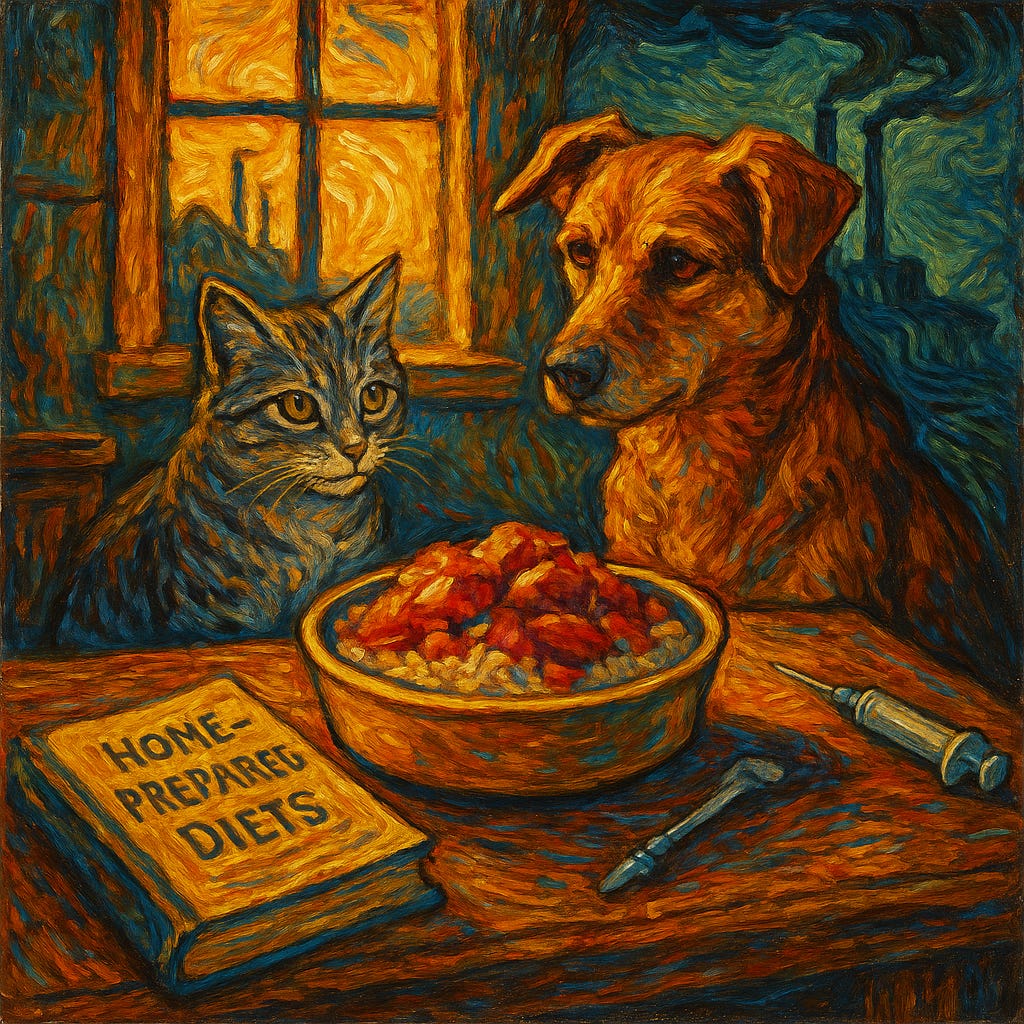
Before the 1960s, dogs and cats flourished on owner-prepared diets, crafted from fresh meats and household staples, echoing the nutrient-rich foraging patterns of their wild progenitors, which sustained robust health and extended lifespans. The advent of commercial pet foods, dominated by cereals and rendered by-products, precipitated a marked decline in pet vitality, as meticulously documented in Home-Prepared Dog & Cat Diets: the Healthful Alternative. Donald R. Strombeck, leveraging 44 years of veterinary expertise, demonstrated that such foods, with protein digestibility as low as 80% compared to 92% in human-grade meats, frequently fail to meet National Research Council standards, contributing to a surge in obesity, renal failure, and cancer. Compounding this nutritional deficit, What Vets Don’t Tell You About Vaccines exposes how frequent vaccinations, laden with adjuvants like aluminum, trigger chronic inflammatory responses, eroding pets’ immune resilience. This orchestrated interplay of dietary and injected toxins prematurely curtails lifespans and inflates veterinary expenses, aligning with a profit-driven design.
The pet food industry’s assertion of delivering “complete and balanced” nutrition unravels under scrutiny, as revealed in Food Pets Die For, The Truth About Pet Foods (2002), Big Kibble, and Dead Pets Don’t Lie (2015), which catalogue contaminants like aflatoxins in grains and pentobarbital in rendered meats, posing risks of liver damage and neurological harm. In contrast, Strombeck’s Home-Prepared Dog & Cat Diets: the Healthful Alternative offers over 200 computer-balanced recipes, such as a tuna and rice diet providing 276 calories, tailored to mitigate conditions like urinary stones. “Commercial foods,” Strombeck noted, “often exacerbate gastrointestinal disorders,” affecting 35–40% of pets, a claim echoed by reports of allergen-heavy diets in Big Kibble. By advocating for wholesome, human-grade ingredients, Strombeck empowers owners to disrupt a system where pets’ diminished longevity and heightened costs serve industry interests, framing a critical re-evaluation of modern pet care practices.
With thanks to Donald Strombeck1.
Home-Prepared Dog & Cat Diets: the Healthful Alternative: Donald R. Strombeck

Deep Dive Conversation Library (Bonus for Paid Subscribers Only)
This deep dive is based on the book:
Discussion No.88:
23 insights and reflections from “Home-Prepared Dog & Cat Diets: the Healthful Alternative”
Thank you for your support.
Analogy
Imagine your pet’s diet as a meal you prepare for a cherished family member. In the past, you’d lovingly cook a wholesome dinner from scratch, choosing fresh ingredients like lean meats, vegetables, and rice, tailored to their tastes and needs, ensuring every bite nourished their body and soul. This is like the foraging diets of wild dogs and cats or the owner-prepared meals of the pre-1960s, which kept pets healthy and vibrant. Now, picture a fast-food chain convincing you that only their pre-packaged meals, made with cheap fillers like corn and questionable meat scraps, are “complete” for your loved one. While convenient, these meals lack the quality and care of your home cooking, leading to weight gain, allergies, or even serious illnesses over time.
The book is like a trusted family recipe book, handed down by a wise chef—Dr. Strombeck—who reminds you that you can reclaim the kitchen. With simple recipes, like a beef and rice dish with 273 calories, you can craft meals that meet your pet’s unique needs, whether they’re a growing puppy or a senior cat with a sensitive stomach. By choosing fresh, human-grade ingredients and following precise instructions, you avoid the fast-food pitfalls of commercial pet foods, restoring your pet’s health and joy. Just as a home-cooked meal shows love and care, preparing your pet’s diet ensures they thrive, proving that the heart of their well-being lies in the food you provide.
12-point summary
1. Diet as the Cornerstone of Pet Health: A pet’s diet is the most critical factor influencing its health and longevity, surpassing other care aspects like exercise or grooming. Proper nutrition, with balanced proteins, fats, and micronutrients, supports growth, immunity, and organ function, preventing diseases like obesity or cardiomyopathy. For example, a beef and rice diet with 273 calories meets a dog’s needs, while commercial foods high in cereals may cause deficiencies, such as taurine in cats, leading to heart failure. By prioritizing diet, owners can extend their pets’ healthy years, reducing the 35–40% incidence of gastrointestinal issues linked to improper feeding.
2. Benefits of Home-Prepared Diets: Home-prepared diets allow owners to control ingredient quality and nutritional balance, using human-grade foods like lean meats or rice, which are 92% digestible for proteins compared to 80% in commercial foods. Recipes like a tofu and rice diet with 700 calories for dogs ensure precise nutrient content, avoiding unwholesome by-products like meat and bone meal found in commercial diets. These diets can be tailored for conditions like renal disease or allergies, offering a wholesome alternative that aligns with pets’ carnivorous needs, unlike cereal-based commercial foods.
3. Critique of Commercial Pet Foods: Commercial pet foods often fail to deliver complete nutrition due to low-quality ingredients, such as cereals (60% of dry dog food) and rendered by-products, which reduce digestibility and bioavailability. Studies show 83% of generic dog foods fail National Research Council (NRC) standards, contributing to diseases like hip dysplasia or taurine-deficiency cardiomyopathy. The industry’s reliance on chemical analyses over feeding trials masks deficiencies, underscoring the need for owner-prepared diets to ensure health outcomes.
4. Importance of Nutritional Balance: Achieving a nutritionally balanced diet is challenging, as nutrient needs vary by age, breed, and health status, and interactions like excess calcium causing zinc deficiency complicate formulation. The book provides over 200 computer-balanced recipes, such as a cottage cheese and potato diet with 295 calories, to meet these needs. Unlike commercial foods that add excess nutrients risking toxicity, owner-prepared diets use feeding trials and precise calculations to ensure adequacy, supporting all body systems.
5. Food Quality and Digestibility: High-quality pet food is defined by wholesome ingredients and high digestibility, with human foods offering 98% carbohydrate and 92% protein absorption versus 80% and 85% in commercial diets. Low-quality ingredients like meat meal, made from rendered carcasses, introduce toxins and reduce nutrient value. Diets like a chicken and rice recipe with 316 calories prioritize fresh ingredients, reducing health risks like diarrhea or obesity, which are common with commercial foods.
6. Food Safety Concerns: Bacterial contamination, such as Salmonella or Escherichia coli in commercial pet foods, and toxins like aflatoxin in grains, pose health risks, causing gastrointestinal infections or liver damage. The book recommends cooking human-grade ingredients, like in a turkey and rice diet with 321 calories, and proper storage to eliminate pathogens. Owner-prepared diets avoid the fecal contamination common in meat by-products, ensuring safer nutrition and reducing disease incidence.
7. Dietary Management of Diseases: Specific diets manage diseases like obesity, renal failure, or hepatic disease by adjusting nutrients, such as low-sodium diets (0.280%) for heart disease or low-protein (10%) diets for liver issues. A tuna and rice diet with 276 calories helps cats with urinary stones by reducing magnesium. Unlike commercial foods, which may exacerbate conditions, owner-prepared diets offer tailored solutions, improving quality of life and slowing disease progression.
8. Energy Requirements Vary: Energy needs differ by species, age, and activity, with dogs requiring 67–100 kcal/kg and cats 80–100 kcal/kg daily. A 10-pound cat needs 318 calories, as in a clam and rice diet, while a 20-pound dog needs 600–700 calories. Overfeeding commercial foods risks obesity, while underfeeding cats causes hepatic lipidosis. Owner-prepared diets allow precise caloric adjustments, preventing imbalances and supporting health across life stages.
9. Food Allergies and Intolerances: Food allergies, triggered by beef or grains in commercial diets, cause skin issues or diarrhea, while intolerances from lactose or additives lead to digestive upset. The book recommends novel protein diets, like rabbit and potato with 36 grams of protein, to manage allergies, and gradual weaning to prevent them. These strategies reduce the high prevalence of allergies, exacerbated by commercial foods since the 1950s.
10. Historical Dietary Shift: Pets’ transition from foraging, meat-based diets to commercial, cereal-heavy foods (50–60% grains) mirrors human shifts to agriculture, increasing diseases like cancer and renal failure. Pre-1960s owner-prepared diets resulted in fewer health issues, as seen in a beef and potato diet with 265 calories. Reverting to high-quality, home-prepared diets can restore the robust health of foraging ancestors, addressing modern nutritional deficiencies.
11. Veterinary Education Gaps: Veterinary nutrition training is inadequate, relying on industry materials that promote commercial foods over comprehensive science. This limits veterinarians’ ability to counsel on owner-prepared diets, like a chicken and potato recipe with 328 calories, contributing to diet-related diseases. The book calls for improved training to empower veterinarians to guide owners, reducing reliance on commercial products and improving pet health outcomes.
12. Empowerment Through Education: The book empowers owners with nutritional knowledge and recipes, enabling them to prepare balanced diets, such as a cottage cheese and rice diet with 598 calories, to prevent or manage diseases. By challenging industry claims that only commercial foods are adequate, it encourages owners to use human-grade ingredients and preventive practices, like controlled feeding, to enhance pet longevity and vitality.
50 Questions and Answers
Question 1: How does a pet’s diet influence its overall health and life expectancy?
Answer: A pet’s diet is the cornerstone of its health, shaping its physical condition and longevity more than any other aspect of care. Proper nutrition, rich in high-quality proteins, digestible carbohydrates, and essential vitamins and minerals, supports growth, immune function, and organ health, enabling dogs and cats to thrive. Diets lacking balance—either deficient in nutrients like taurine or excessive in calories—can lead to diseases such as cardiomyopathy, obesity, or skeletal disorders, shortening life expectancy. For example, feeding cereal-based commercial foods, often low in bioavailable nutrients, has been linked to increased rates of cancer and renal failure in modern pets, unlike the healthier outcomes seen in animals fed varied, owner-prepared diets before the 1960s.
The impact of diet extends beyond immediate health, influencing long-term vitality through preventive nutrition. Feeding practices that match a pet’s life stage, such as controlled portions for puppies to avoid overnutrition, help prevent conditions like hip dysplasia. Similarly, diets tailored for aging pets, with adjusted protein and antioxidant levels, can mitigate degenerative diseases. By choosing wholesome ingredients and ensuring nutritional balance, owners can mimic the diverse, natural diets of foraging ancestors, which supported robust health. This approach contrasts with reliance on commercial foods, which may not always meet individual needs, underscoring the diet’s pivotal role in extending a pet’s healthy years.
Question 2: What are the benefits of preparing pet diets at home compared to using commercial pet foods?
Answer: Home-prepared diets offer pet owners control over ingredient quality and wholesomeness, allowing the use of fresh, human-grade foods like lean meats and rice, which are more digestible than the cereals and by-products common in commercial pet foods. These diets can be tailored to a pet’s specific needs, such as low-sodium recipes for heart disease or high-protein formulations for cats, ensuring nutritional balance without the excesses or deficiencies sometimes found in commercial products. For instance, owners can avoid unwholesome ingredients like rendered meat and bone meal, which may contain toxins, and instead select foods with high biological value, promoting better health outcomes.
Additionally, home preparation empowers owners to address medical conditions that commercial foods may not adequately manage, such as food allergies or renal disease. Recipes formulated with computer programs ensure complete nutrition, providing precise nutrient content data for proteins, fats, and calories. This contrasts with commercial foods, where labels offer limited insight into digestibility or actual nutrient availability. By preparing diets at home, owners can replicate the varied, natural diets of wild canines and felines, potentially reducing the incidence of diet-related issues like gastrointestinal disorders, which have risen since the widespread use of commercial foods.
Question 3: Why does the book criticize the nutritional adequacy of commercial pet foods?
Answer: Commercial pet foods are often labeled “complete and balanced,” yet they may fail to meet pets’ nutritional needs due to reliance on low-quality ingredients like cereals and meat by-products, which have lower digestibility and biological value than human foods. The pet food industry frequently uses chemical analyses instead of feeding trials to claim adequacy, ignoring factors like palatability and nutrient bioavailability. For example, cereals, a primary ingredient in dry foods, are deficient in essential amino acids like lysine, and added minerals like copper may be poorly absorbed, leading to deficiencies despite meeting label standards.
Moreover, the industry’s shift away from National Research Council (NRC) standards to less rigorous Association of American Feed Control Officials (AAFCO) guidelines allows manufacturers to add excess nutrients as “safety factors,” which can be toxic. Studies cited in the book reveal that 83% of generic dog foods failed to meet NRC nutrient standards, and 51% didn’t match their own label guarantees. These inadequacies contribute to health issues like taurine-deficiency cardiomyopathy in cats and hip dysplasia in dogs, highlighting the gap between industry claims and actual nutritional outcomes, especially when compared to the tailored precision of owner-prepared diets.
Question 4: What challenges exist in formulating a nutritionally complete and balanced pet diet?
Answer: Formulating a nutritionally complete and balanced pet diet is complex because no single nutrient level is optimal for all animals, as needs vary by age, size, activity, and health status. For instance, growing puppies require higher protein and mineral levels than sedentary adults, while cats need specific nutrients like taurine to prevent heart issues. The book notes that even precise nutrient amounts fall within a range rather than a fixed value, complicated by factors like nutrient interactions—excess calcium can induce zinc deficiency, and high polyunsaturated fats increase vitamin E needs. These variables make theoretical formulations imprecise without real-world testing.
Another challenge is ensuring nutrient bioavailability and avoiding toxicity. Commercial foods often add excess vitamins to compensate for processing losses, but this can lead to harmful levels, as seen with vitamin A hepatotoxicity. Home-prepared diets, while offering control, require careful calculation, often using computer programs to balance proteins, fats, and micronutrients. Without feeding trials, which are costly and rare in the industry, it’s difficult to confirm a diet’s adequacy across all body systems. The book emphasizes that only diets tested through feeding, like those of foraging ancestors, reliably meet diverse physiological demands, underscoring the need for meticulous formulation.
Question 5: How is the quality of pet food determined by its ingredients and digestibility?
Answer: Pet food quality hinges on the wholesomeness of its ingredients and their digestibility, which determine how effectively nutrients are absorbed. High-quality foods use ingredients like fresh meats and rice, which have digestibility rates of 92% for proteins and 98% for carbohydrates in human foods, compared to 80% and 85% in commercial pet foods. Low-quality ingredients, such as meat and bone meal made from rendered carcasses, are less digestible and may contain toxins, reducing their biological value. The book highlights that cereals, which dominate dry pet foods, lack essential amino acids like lysine, compromising quality unless supplemented with high-grade protein sources.
Digestibility directly affects a pet’s ability to utilize nutrients, impacting health outcomes. For example, poorly digestible carbohydrates like wheat or oats can cause diarrhea, while high-quality proteins support muscle maintenance and immune function. The book criticizes commercial foods for prioritizing cost-driven ingredients over wholesomeness, noting that labels don’t reveal digestibility or actual nutrient amounts. Owner-prepared diets, using human-grade foods, allow for superior quality control, ensuring ingredients are both wholesome and highly digestible, aligning with the natural dietary preferences of carnivorous dogs and cats for meat-based nutrition.
Question 6: What are the risks of bacterial contamination in pet foods, and how can they be mitigated?
Answer: Bacterial contamination in pet foods poses significant health risks, introducing pathogens like Salmonella, Escherichia coli, and Clostridium species, which can cause gastrointestinal infections, diarrhea, and even systemic illness in pets. The book notes that meat meal and by-products, common in commercial foods, are often contaminated with fecal bacteria or endotoxins from dead animals, exacerbating conditions like pancreatitis or liver disease. Toxins like aflatoxin, produced by fungi in grains, can lead to liver damage or cancer. These contaminants thrive in improperly stored or processed foods, increasing the likelihood of disease when fed to pets.
Mitigating these risks requires careful food selection and preparation. Owners can choose human-grade ingredients, which undergo stricter safety standards, and cook foods thoroughly to kill bacteria, as heating eliminates pathogens like Salmonella. Proper storage, such as refrigerating leftovers and avoiding prolonged exposure to warmth, prevents bacterial growth. The book advises against relying solely on commercial foods, which may not be decontaminated effectively, and emphasizes hygiene practices like hand washing and cleaning food preparation surfaces. By preparing diets at home with fresh, well-cooked ingredients, owners can significantly reduce the risk of contamination-related health issues.
Question 7: How can diet be used to manage obesity in dogs and cats?
Answer: Obesity, a common issue in pets, can be managed through carefully controlled diets that reduce caloric intake while maintaining nutritional balance. The book recommends owner-prepared diets with lower fat content (e.g., 15–20% of calories) and higher fiber from vegetables like potatoes to promote satiety without excess energy. For example, a cottage cheese and rice diet for dogs provides 598–700 calories to support an 18–22-pound dog, adjusted to achieve a 1–2% weekly weight loss. Feeding schedules with small, frequent meals and avoiding treats help regulate intake, while exercise complements dietary efforts to burn calories.
Management also involves addressing underlying causes, such as overfeeding or neutering, which increases obesity risk. The book warns against starvation, which can cause hepatic lipidosis in cats, and instead advocates gradual weight reduction through diets tailored to a pet’s ideal body weight. Commercial weight-loss foods often lack sufficient protein or digestibility, whereas home-prepared recipes ensure high-quality nutrients. Monitoring progress with regular weigh-ins and adjusting portions ensures sustained weight loss, reducing health risks like diabetes, arthritis, and heart disease, which are exacerbated by excess body fat.
Question 8: What dietary strategies are recommended for pets with gastrointestinal disorders?
Answer: Gastrointestinal disorders, including chronic vomiting and diarrhea, require diets that minimize irritation and support digestive health. The book suggests controlled diets using highly digestible ingredients like cottage cheese, tofu, or rice, which reduce fecal volume and ease nutrient absorption. For example, a cottage cheese and rice diet for dogs provides 651 calories and 36.9 grams of protein, suitable for managing colitis or food intolerances. These diets avoid common allergens like gluten and limit fats to prevent pancreatic strain, while fiber supplementation from potatoes helps regulate bowel movements.
For cats, diets must include taurine and higher protein levels (12–20% of calories) to meet metabolic needs, often using clams or turkey with rice. Feeding small, frequent meals reduces ammonia production, which can exacerbate symptoms, and purified diets eliminate potential triggers. The book emphasizes that commercial foods, high in cereals, may worsen gastrointestinal issues due to low digestibility. Owner-prepared diets, tailored to exclude allergens and irritants, support mucosal healing and restore gut integrity, addressing the high incidence of these disorders, which account for 35–40% of pet health problems.
Question 9: How does diet influence skin diseases in dogs and cats?
Answer: Skin diseases in pets, often manifesting as itching or otitis externa, are frequently linked to diet, particularly food allergies or nutrient deficiencies. The book notes that allergies to ingredients like beef or grains, common in commercial foods, trigger pruritus and skin inflammation, with incidence rising since the 1950s due to cereal-based diets. Diets for skin disease management use novel protein sources, such as rabbit or venison with potatoes, to eliminate allergens. For example, a rabbit and potato diet for dogs provides 36 grams of protein and avoids common triggers, supporting skin recovery.
Nutritional imbalances, such as deficiencies in essential fatty acids or zinc, also contribute to skin issues, causing dryness or poor healing. Owner-prepared diets can incorporate fish oil for omega-3 fatty acids, which reduce inflammation, and ensure adequate vitamin E to support skin integrity. Unlike commercial foods, which may contain low-quality proteins or additives that exacerbate allergies, home-prepared diets allow precise control over ingredients. By addressing both allergies and nutrient needs, these diets reduce the prevalence of skin diseases, which are among the most common veterinary concerns.
Question 10: What dietary adjustments are needed for pets with chronic renal disease?
Answer: Chronic renal disease in pets requires dietary adjustments to reduce kidney workload and manage symptoms like hypertension and phosphorus retention. The book recommends diets with restricted protein (10–15% for dogs, 12–20% for cats) to minimize urea production, using high-quality sources like eggs or cottage cheese for better biological value. A beef and potato diet for dogs, providing 265 calories and 15 grams of protein, supports a 10-pound dog while limiting sodium to control blood pressure. Phosphorus is restricted using binders like calcium carbonate, and potassium is supplemented to prevent deficiencies.
For cats, diets must include taurine and adequate calories (80–100 kcal/kg body weight) to prevent muscle wasting, as seen in a tuna and rice diet with 276 calories. Unlike commercial renal diets, which may contain excess salt or low-quality proteins, owner-prepared diets allow precise nutrient control, avoiding copper or vitamin D, which can worsen renal damage. Frequent small meals and hydration support kidney function, while vitamins and minerals are adjusted to compensate for urinary losses, helping to slow disease progression and improve quality of life.
Question 11: How can diet help prevent or manage urinary tract stones in pets?
Answer: Urinary tract stones, such as struvite, calcium oxalate, or urate, can be prevented or managed through diets that alter urine composition and reduce stone-forming compounds. For struvite stones, common in cats, diets like a tuna and rice formulation with 276 calories and low magnesium (0.036%) promote urine acidification to dissolve stones, while increased water intake dilutes urine. Calcium oxalate stones require reduced oxalate and calcium, as seen in a black-eyed peas and potato diet for dogs, which limits sodium to prevent crystal formation. Urate stones, linked to liver issues, benefit from low-purine diets like cottage cheese and potato, avoiding sardines or anchovies.
These diets are tailored to a pet’s specific stone type, unlike commercial foods that may not address individual needs. For example, high-sodium commercial diets can exacerbate stone formation by increasing urine concentration. Owner-prepared diets ensure precise control over minerals and protein, reducing recurrence risk. Feeding small, frequent meals and encouraging hydration further support urinary health. By addressing stone pathogenesis—such as bacterial infections for struvite or metabolic defects for urate—these diets effectively manage and prevent this painful condition, improving pet comfort and longevity.
Question 12: What role does diet play in managing endocrine diseases like diabetes mellitus?
Answer: Diet is critical in managing endocrine diseases like diabetes mellitus by stabilizing blood glucose and supporting insulin therapy. For diabetic pets, diets high in fiber, such as those with beet pulp or guar gum, slow carbohydrate absorption, preventing glucose spikes. A chicken and rice diet for cats, providing 268 calories and 28 grams of protein, balances energy needs while maintaining moderate fat to avoid obesity, a risk factor for diabetes. Controlled feeding schedules with small, frequent meals align food intake with insulin doses, reducing glycemic fluctuations.
Unlike commercial foods, which may contain high carbohydrates that exacerbate diabetes, owner-prepared diets allow precise nutrient adjustments. For dogs, a beef and rice diet with 273 calories emphasizes complex carbohydrates like rice over simple sugars. Protein levels are maintained to prevent muscle loss, and fats are limited to reduce pancreatic strain. By addressing obesity and ensuring consistent nutrition, these diets improve insulin sensitivity and quality of life, helping pets manage this chronic condition more effectively than generic commercial formulations.
Question 13: How are diets formulated to support pets with heart disease?
Answer: Diets for pets with heart disease are formulated to reduce cardiac workload and manage symptoms like hypertension and fluid retention. Low-sodium diets, such as a beef and potato recipe for dogs with 313 calories and 0.280% sodium, minimize fluid buildup, easing strain on the heart. For cats, a turkey and rice diet with 321 calories includes taurine to prevent cardiomyopathy, a condition linked to taurine deficiency. These diets maintain adequate protein and calories to prevent cachexia, a wasting condition common in heart disease.
Commercial foods often contain high sodium levels, worsening heart conditions, whereas owner-prepared diets allow precise control over sodium, potassium, and magnesium to support cardiac function. For example, potassium supplementation in a chicken and potato diet helps maintain electrolyte balance. Frequent small meals reduce digestive stress, and essential fatty acids from fish oil may decrease inflammation. By addressing specific needs, such as taurine for cats or low sodium for dogs, these diets improve heart health and longevity, offering a tailored alternative to less flexible commercial options.
Question 14: What dietary considerations are important for pets with pancreatic disease?
Answer: Pancreatic diseases, such as pancreatitis or enzyme insufficiency, require diets that minimize pancreatic stimulation and support digestion. For pancreatitis, low-fat diets like a cottage cheese and rice formulation for dogs, with 324 calories and 17.1 grams of fat, reduce pancreatic secretions that exacerbate inflammation. High-quality proteins, such as eggs or tofu, are used to maintain nutrition without taxing the pancreas. In cats, a chicken and potato diet with 328 calories ensures adequate protein and taurine, critical for metabolic health.
For pancreatic enzyme insufficiency, diets focus on high digestibility to compensate for reduced enzyme production, using ingredients like rice or cottage cheese. A poultry and potato diet for dogs, providing 333 calories, supports nutrient absorption while avoiding high-fat commercial foods that cause steatorrhea. Small, frequent meals ease digestive demands, and vitamin supplementation, particularly B vitamins, addresses deficiencies from malabsorption. Unlike commercial diets, which may not prioritize digestibility, owner-prepared diets offer tailored nutrition to manage symptoms and improve quality of life for pets with pancreatic issues.
Question 15: How does diet support the management of hepatic disease in dogs and cats?
Answer: Hepatic disease management relies on diets that reduce liver workload and prevent complications like hepatic encephalopathy. For dogs, diets like cottage cheese, tofu, and rice, with 651 calories and 36.9 grams of protein, limit protein to 10% to reduce ammonia production, using non-meat sources to avoid toxins from sulfur-containing amino acids. Low-copper formulations, avoiding commercial foods with 5–10 mg/kg copper, prevent toxic accumulation. Small, frequent meals minimize ammonia spikes, and zinc supplementation inhibits copper absorption.
Cats require higher protein (12–20% of calories) and taurine, as in a tofu and rice diet with 463 calories and clams for taurine. Enteral diets, used for anorectic cats, provide milk or soybean proteins with added taurine to prevent ocular or cardiac issues. Unlike commercial foods, which may worsen hepatic pathology due to high meat content, owner-prepared diets support liver recovery by controlling protein, fat, and minerals. Vitamin supplementation, especially B vitamins, addresses deficiencies during anorexia, helping to stabilize liver function and improve outcomes.
Question 16: How do energy requirements vary for dogs based on age, breed, and activity level?
Answer: Energy requirements for dogs vary significantly by age, breed, and activity level, reflecting their metabolic needs. Puppies require higher calories—up to twice that of adults—for growth, with large breeds needing controlled intake to prevent skeletal issues. For example, a 20-pound growing dog may need 800–1000 calories daily, while an adult of the same weight requires 600–700 calories. Breeds like German Shepherds, with high activity, demand more energy than sedentary breeds like Bulldogs. The book provides caloric guidelines, such as 67 kcal/kg for adults, adjusted for life stages.
Activity level further modifies needs: working dogs or those in cold environments may need 1.5–2 times the baseline, while inactive dogs risk obesity with overfeeding. Pregnancy and lactation increase requirements, with lactating dogs needing up to 3 times maintenance calories. Owner-prepared diets, like a beef and rice recipe providing 273 calories, allow precise energy adjustments, unlike commercial foods that may over- or under-supply calories. By tailoring intake to these factors, owners can prevent obesity, support growth, and maintain health across a dog’s lifespan.
Question 17: What are the differences in energy needs for cats compared to dogs?
Answer: Cats have distinct energy needs compared to dogs due to their obligate carnivore metabolism, requiring higher protein and fewer carbohydrates. Adult cats need approximately 80–100 kcal/kg body weight daily, with a 10-pound cat requiring 318 calories, as seen in a cottage cheese and rice diet with 466 calories. Unlike dogs, whose energy needs vary widely by breed and activity (67–100 kcal/kg), cats have more consistent requirements, with less variation between active and sedentary individuals. Their reliance on protein for energy means diets must prioritize high-quality sources like turkey or clams.
Cats also face unique risks, such as hepatic lipidosis from underfeeding, necessitating adequate caloric intake even during illness. Kittens require similar calories to puppies but with stricter protein and taurine needs to support growth. Commercial cat foods, often high in carbohydrates, may not meet these demands, whereas owner-prepared diets, like a tuna and rice recipe, ensure proper energy and nutrient balance. The book emphasizes that cats’ carnivorous nature requires diets closer to their wild ancestors’, distinguishing their energy needs from the more flexible requirements of dogs.
Question 18: How do food intolerances develop in pets, and what are their symptoms?
Answer: Food intolerances in pets develop when the digestive system reacts adversely to certain foods, often due to poor digestibility or irritants like lactose or gluten. Unlike allergies, intolerances don’t involve the immune system but stem from dietary imbalances or sudden food changes, particularly in young animals with immature gut flora. Commercial foods high in cereals or additives, such as propylene glycol, can trigger intolerances, especially in cats sensitive to sugars. The book notes that improper weaning, exposing pets to complex diets too early, disrupts gut development, increasing intolerance risk.
Symptoms include gastrointestinal issues like diarrhea, flatulence, and vomiting, as well as anal pruritus or hypersalivation. For example, high-carbohydrate diets may cause loose stools, while lactose in milk can lead to bloating. These signs, affecting 35–40% of pets, are more common with commercial foods than with owner-prepared diets using digestible ingredients like rice. Identifying intolerances involves observing symptom patterns and adjusting diets to exclude irritants, such as using a cottage cheese and potato diet to stabilize digestion and reduce discomfort.
Question 19: What causes food allergies in pets, and how are they diagnosed?
Answer: Food allergies in pets are caused by an immune response to specific proteins, often in beef, grains, or dairy, triggered by repeated exposure. The book highlights that commercial foods, introduced early via improper weaning, increase allergy risk by overwhelming the immature mucosal barrier, preventing oral tolerance development. Maternal diet during lactation and vaccines containing beef proteins can also sensitize puppies, leading to allergies later. The rising incidence since the 1950s correlates with cereal-based commercial diets, unlike the lower rates in pets fed varied, owner-prepared foods.
Diagnosis involves identifying clinical signs like pruritus, otitis externa, or chronic diarrhea, followed by dietary trials with novel proteins, such as rabbit or venison, to pinpoint allergens. Tests like radioallergosorbent (RAST) or intradermal skin tests are less reliable, as they may not confirm food-specific allergies. The book emphasizes elimination diets, like a rabbit and potato recipe for dogs, monitored over weeks to confirm symptom resolution. Unlike commercial foods, which may contain hidden allergens, owner-prepared diets allow precise ingredient control, aiding accurate diagnosis and management.
Question 20: How can dietary management address food allergies in dogs and cats?
Answer: Dietary management of food allergies in pets focuses on eliminating allergens and supporting skin and gut health with novel or hydrolyzed proteins. For dogs, diets like rabbit and potato or venison and rice, providing 36–40 grams of protein, avoid common triggers like beef or wheat. Cats benefit from turkey or salmon with rice, ensuring taurine inclusion. These diets, unlike commercial allergy formulas, use human-grade ingredients for high digestibility, reducing inflammation and pruritus. The book advocates gradual introduction of single-protein diets to confirm allergen avoidance.
Supplementation with essential fatty acids, like fish oil, and vitamins, such as vitamin E, supports skin integrity, while frequent small meals minimize gut irritation. Commercial foods often fail to isolate allergens or provide adequate nutrients, worsening symptoms. Owner-prepared diets allow customization, such as a cottage cheese and rice diet for dogs with 178 calories to manage weight during recovery. By maintaining strict dietary control and monitoring for symptom recurrence, these diets effectively manage allergies, reducing the high prevalence of skin and gastrointestinal issues in allergic pets.
Question 21: What are diet-induced diseases, and how do they affect pets?
Answer: Diet-induced diseases arise from improper nutrition, either through deficiencies, excesses, or inappropriate feeding practices, significantly impacting pet health. Examples include obesity, hip dysplasia, and taurine-deficiency cardiomyopathy, often linked to commercial pet foods high in cereals or low in essential nutrients. For instance, excessive calorie intake in growing large-breed dogs can cause skeletal disorders like hip dysplasia, while inadequate taurine in cat diets leads to heart failure. These conditions, less common before the 1960s when owner-prepared diets were standard, highlight the role of modern feeding practices in disease prevalence.
The effects of these diseases are profound, reducing life expectancy and quality of life. Obesity, caused by overfeeding calorie-dense commercial foods, predisposes pets to diabetes, arthritis, and hepatic lipidosis in cats. Skeletal diseases from overnutrition impair mobility, particularly in breeds like German Shepherds, while nutrient deficiencies, such as lysine in cereal-based diets, weaken immune function. Owner-prepared diets, like a controlled beef and rice recipe with 273 calories, can prevent these issues by ensuring balanced nutrition tailored to a pet’s needs, avoiding the excesses and deficiencies common in commercial formulations.
Question 22: How does overnutrition contribute to skeletal and joint diseases in dogs?
Answer: Overnutrition, particularly in growing large-breed dogs, contributes to skeletal and joint diseases by accelerating growth beyond what bones and joints can support. Excessive calories and minerals, often from commercial puppy foods designed to maximize growth, lead to conditions like hip dysplasia, osteochondrosis dissecans, and hypertrophic osteodystrophy. For example, high-calcium diets, such as those supplemented beyond 1% dry matter, disrupt bone remodeling, causing abnormal joint development. The book notes that these diseases were rare before commercial foods dominated, when dogs ate balanced, owner-prepared meals.
The impact is most severe in breeds like Great Danes, where rapid weight gain strains developing skeletons, leading to lifelong lameness or arthritis. Feeding practices that ignore caloric control, such as ad libitum feeding, exacerbate the issue, as seen in puppies fed high-protein commercial diets from two weeks of age. Owner-prepared diets, like a chicken and rice recipe with 244 calories for a 20-pound puppy, limit calories and minerals to match growth needs. By controlling intake and avoiding excess calcium or vitamin D, these diets reduce the risk of skeletal disorders, promoting healthier joint development.
Question 23: Why are proteins critical in a pet’s diet, and what makes high-quality protein important?
Answer: Proteins are critical in a pet’s diet because they provide essential amino acids needed for growth, tissue repair, and immune function. Dogs require moderate protein (20–30% of calories), while cats, as obligate carnivores, need higher levels (30–40%) to support metabolism and prevent muscle loss. Deficiencies, such as low lysine in cereal-based diets, impair growth and health, while excesses can strain kidneys or liver. The book emphasizes that balanced protein intake, as in a cottage cheese and rice diet with 34.5 grams for dogs, supports all body systems without causing metabolic stress.
High-quality protein, defined by its digestibility and biological value, is important because it ensures efficient nutrient absorption and utilization. Proteins from eggs or meat, with 90% digestibility, provide complete amino acid profiles, unlike cereal proteins in commercial foods, which are only 80% digestible and lack lysine. Low-quality proteins, common in meat by-products, lead to deficiencies or digestive issues like diarrhea. Owner-prepared diets using human-grade proteins, such as turkey or tofu, meet pets’ carnivorous needs, reducing the health risks associated with the low-quality ingredients prevalent in commercial pet foods.
Question 24: What role do carbohydrates play in pet diets, and why can they cause health issues?
Answer: Carbohydrates in pet diets primarily provide energy, with starches like rice being highly digestible (98%) and cost-effective in commercial foods. However, dogs and cats, as carnivores, have limited need for carbohydrates, thriving on protein and fat-based diets in the wild. The book notes that commercial foods rely heavily on cereals (50–60% of dry food), which are less digestible (80%) and can lead to excess energy storage as fat, contributing to obesity. Diets like a beef and rice recipe with controlled carbohydrates ensure energy without overloading the system.
Excess or poorly digestible carbohydrates, such as wheat or oats, cause health issues like diarrhea, flatulence, and increased fecal volume, particularly in pets with sensitive digestion. High-carbohydrate diets can also disrupt protein absorption, leading to nutritional imbalances. For cats, excessive sugars like lactose trigger intolerances, while in dogs, they may exacerbate bloat. Owner-prepared diets, using rice or potatoes over grains, minimize these risks by prioritizing digestibility and limiting carbohydrate content, aligning more closely with pets’ natural dietary preferences for meat-based nutrition.
Question 25: How do dietary fats contribute to pet health, and what are the risks of excess fat?
Answer: Dietary fats are essential for pet health, providing concentrated energy, essential fatty acids, and palatability. Fats like chicken fat or fish oil supply omega-3 and omega-6 fatty acids, which support skin health, reduce inflammation, and aid brain development. For example, a chicken and rice diet with 24.1 grams of fat meets a 22-pound dog’s needs while enhancing diet acceptance. Cats, requiring higher fat (20–30% of calories), benefit from milk or animal fats to maintain energy and prevent deficiencies, unlike carbohydrate-heavy commercial diets.
Excess fat, however, poses risks, including obesity, pancreatitis, and digestive issues. High-fat commercial foods, often coated with animal fat for palatability, contribute to weight gain, increasing the risk of diabetes or arthritis. In pets with pancreatitis, excess fat (over 20% dry matter) stimulates pancreatic secretions, worsening inflammation. The book advocates low-fat owner-prepared diets, like a cottage cheese and rice recipe with 17.1 grams of fat, to manage these conditions. By balancing fat intake with high-quality sources, owners can support health while avoiding the metabolic strain of overconsumption.
Question 26: Why is dietary fiber important for pets, and how does it aid disease management?
Answer: Dietary fiber is important for pets because it regulates digestion, supports gut health, and manages disease symptoms. Soluble fibers, like beet pulp, promote beneficial gut bacteria, while insoluble fibers, like potato, increase fecal bulk to prevent constipation. For example, a cottage cheese and potato diet with added raw potato (23 kcal/oz) enhances bowel movement frequency in dogs with colitis. Fiber also slows nutrient absorption, aiding conditions like diabetes by stabilizing blood glucose, and reduces toxin availability in hepatic disease by binding ammonia.
In disease management, fiber is critical for gastrointestinal disorders, obesity, and diabetes. High-fiber diets, such as those with 5–10% fiber, decrease caloric density, promoting satiety in weight-loss programs, as seen in a chicken and rice diet for cats. Unlike commercial foods, which may lack sufficient or appropriate fiber, owner-prepared diets allow precise supplementation to match a pet’s needs. By supporting mucosal health and reducing digestive stress, fiber helps manage the high incidence of gastrointestinal issues, improving comfort and recovery in affected pets.
Question 27: What are the essential vitamins and minerals for pets, and why do their requirements vary?
Answer: Essential vitamins and minerals for pets include vitamins A, D, E, K, B complex, and C, and minerals like calcium, phosphorus, potassium, magnesium, zinc, and copper, each supporting specific functions. For example, vitamin E acts as an antioxidant, calcium supports bone health, and taurine prevents heart issues in cats. The book lists requirements, such as 0.8% calcium for growing dogs and 50 mg/day taurine for cats, emphasizing their role in preventing deficiencies like rickets or anemia. Diets like a tofu and rice recipe with bonemeal tablets ensure balanced supplementation.
Requirements vary by life stage, health status, and species due to metabolic differences. Growing pets need higher calcium and vitamin D for bone development, while geriatric pets require more vitamin E to combat aging. Cats, unlike dogs, need dietary vitamin A and taurine due to limited synthesis. Disease states, such as renal failure, necessitate restricted phosphorus or copper to avoid toxicity. Owner-prepared diets allow tailored supplementation, unlike commercial foods with broad-spectrum additives, ensuring precise nutrient levels to meet individual needs and prevent imbalances.
Question 28: Why is taurine a critical nutrient for cats, and what happens if it’s deficient?
Answer: Taurine is a critical nutrient for cats because, as obligate carnivores, they cannot synthesize it adequately, requiring dietary sources like meat or clams to support heart, eye, and reproductive health. The book notes that taurine, found in a turkey and rice diet with 28.3 grams of protein, maintains cardiac muscle function and retinal integrity. Unlike dogs, which can produce taurine, cats rely on diets providing 50 mg/day, as milk and plant proteins lack sufficient amounts, making supplementation essential in vegetarian or hepatic diets.
Taurine deficiency leads to severe health issues, including dilated cardiomyopathy, retinal degeneration, and reproductive failure. The book cites cases where commercial cat foods, low in taurine, caused cardiomyopathy, a potentially fatal heart condition, before reformulation in the 1980s. Symptoms include lethargy, blindness, or heart failure, significantly reducing life expectancy. Owner-prepared diets, like a clam and rice recipe with added taurine, prevent these risks by ensuring adequate intake, unlike some commercial foods that may still fall short, highlighting the need for careful dietary planning.
Question 29: How should feeding schedules be structured to promote pet health?
Answer: Feeding schedules should be structured with small, frequent meals to promote pet health by supporting digestion, stabilizing metabolism, and preventing disease complications. For example, dogs with hepatic disease benefit from 4–6 daily meals to minimize ammonia production, as seen with a cottage cheese and rice diet. Puppies and kittens require multiple feedings to match rapid growth, while adult pets thrive on 2–3 meals to avoid overeating. The book emphasizes consistent timing and portion control, tailored to a pet’s caloric needs, such as 318 calories daily for a 10-pound cat.
This approach contrasts with ad libitum feeding common with commercial foods, which risks obesity and digestive issues like bloat in dogs. Frequent meals reduce pancreatic and gastric stress, aiding conditions like pancreatitis or diabetes, where a chicken and rice diet aligns with insulin doses. Owner-prepared diets allow precise portioning, unlike commercial foods that may encourage overconsumption. By mimicking the frequent, small meals of foraging ancestors, structured schedules enhance nutrient absorption and reduce the incidence of diet-related disorders, improving overall health.
Question 30: Why is gradual introduction of foods important for young pets?
Answer: Gradual introduction of foods in young pets is crucial to prevent digestive upset and establish oral tolerance, reducing the risk of food allergies and intolerances. Puppies and kittens have immature digestive systems and mucosal barriers, making them sensitive to abrupt dietary changes. The book recommends introducing single foods, like rice or cottage cheese, over weeks during weaning (4–8 weeks of age) to allow gut flora development and immune adaptation. This contrasts with commercial puppy foods, often fed from two weeks, which overwhelm the gut with complex ingredients like cereals.
Sudden exposure to diverse foods, especially gluten or beef, can trigger allergies or diarrhea, as the gut fails to develop tolerance, increasing disease risk later. For example, a controlled egg and rice diet for puppies supports digestion while building immunity. Owner-prepared diets enable gradual transitions, unlike commercial foods that prioritize rapid growth over gut health. By mimicking the natural, varied diet introduction of wild ancestors, this practice fosters a robust digestive system, lowering the incidence of gastrointestinal issues, which affect up to 40% of modern pets.
Question 31: Why is nutritional education for pet owners emphasized, and what should it include?
Answer: Nutritional education for pet owners is emphasized because diet is the most critical factor in a pet’s health, yet many rely on commercial pet foods without understanding their limitations. The book argues that owners, equipped with basic nutritional knowledge from human dietary trends, can prepare balanced diets to prevent diseases like obesity or allergies. Education empowers owners to select high-quality ingredients, such as lean meats or rice, and avoid unwholesome commercial by-products, ensuring diets meet pets’ carnivorous needs. This counters the pet food industry’s claim that only experts can formulate complete diets, which often fail to deliver optimal nutrition.
Effective education should cover feeding practices tailored to life stages, such as controlled portions for puppies or taurine-rich diets for cats, and the importance of digestibility and nutrient balance. Owners should learn to recognize signs of food intolerance, like diarrhea, and use recipes, such as a cottage cheese and potato diet with 295 calories, to manage health issues. The book stresses counseling on preventive nutrition, including gradual food introduction during weaning to reduce allergies. By understanding these principles, owners can make informed choices, reducing reliance on industry propaganda and improving pet health outcomes.
Question 32: How does the pet food industry influence veterinary nutrition training?
Answer: The pet food industry significantly influences veterinary nutrition training by providing materials and funding that promote commercial foods, often at the expense of comprehensive nutritional knowledge. The book notes that veterinary schools rely on industry-printed feeding guides, which emphasize the “complete and balanced” claims of pet foods, discouraging owner-prepared diets. This has led to inadequate training, with surveys showing veterinarians lack advanced nutrition knowledge, focusing instead on recommending specific brands. The industry’s narrative that only commercial foods ensure health shapes curricula, limiting exposure to alternative feeding practices.
This influence reduces veterinarians’ ability to counsel clients effectively, as they are taught to trust industry standards over critical evaluation. For example, the shift from National Research Council (NRC) to Association of American Feed Control Officials (AAFCO) guidelines, driven by industry cost concerns, is rarely questioned in training. The book advocates for veterinarians to learn about digestibility, ingredient quality, and home-prepared diets, like a beef and rice recipe with 273 calories, to offer clients better guidance. By prioritizing industry interests, current training fails to equip veterinarians to address the rising incidence of diet-related diseases, such as skin disorders or renal failure.
Question 33: What are the roles of the NRC and AAFCO in setting pet food standards?
Answer: The National Research Council (NRC) historically set rigorous pet food standards by evaluating nutrient requirements for all life stages, requiring feeding trials to confirm diets supported growth, maintenance, and reproduction. The book highlights the NRC’s 1985 revision, which insisted on direct feeding tests to prove nutritional adequacy, challenging the pet food industry’s reliance on chemical analyses. These standards ensured diets met diverse physiological needs, such as lysine for growth or taurine for cats, reducing deficiency risks. However, the NRC’s stringent approach was costly, leading to industry pushback.
The Association of American Feed Control Officials (AAFCO), created by the pet food industry, adopted more lenient standards, allowing chemical analyses with “safety factors” to claim adequacy without feeding trials. AAFCO’s guidelines, which replaced NRC standards by the 1990s, permit manufacturers to use formulas for generic foods, ignoring digestibility or bioavailability. The book criticizes AAFCO for enabling lower-quality diets, like those with cereal-based proteins, which may not meet pets’ needs. Unlike NRC’s science-driven approach, AAFCO’s industry-friendly standards prioritize cost, contributing to health issues like hip dysplasia or taurine deficiency in commercial-fed pets.
Question 34: Why does the book advocate for feeding trials over chemical analyses for pet foods?
Answer: The book advocates for feeding trials over chemical analyses because only direct feeding tests confirm a diet’s ability to support health across all body systems, revealing deficiencies or toxicities that analyses miss. Chemical analyses, used by the AAFCO, measure nutrient levels but ignore palatability, digestibility, and bioavailability—critical factors in nutrition. For example, a diet may meet lysine requirements on paper but fail if the protein is poorly absorbed, as seen in cereal-based commercial foods. Feeding trials, as mandated by the NRC, ensure diets sustain growth, reproduction, and maintenance, mimicking the balanced diets of foraging ancestors.
In contrast, chemical analyses allow manufacturers to add excess nutrients as “safety factors,” risking toxicity, such as vitamin A hepatotoxicity, without proving efficacy. The book cites studies showing 83% of generic dog foods failed NRC standards despite passing chemical tests, leading to issues like stunted growth in puppies. Owner-prepared diets, like a chicken and rice recipe with 316 calories, can be tested through observation, unlike commercial foods that skip trials to cut costs ($7,000–$10,000 per diet). Feeding trials provide the gold standard for ensuring nutritional adequacy, protecting pets from the shortcomings of industry-driven standards.
Question 35: How does the digestibility of human foods compare to commercial pet foods?
Answer: Human foods have significantly higher digestibility than commercial pet foods, enabling better nutrient absorption and health outcomes for pets. The book states that human-grade foods, like lean meats or rice, achieve 98% digestibility for carbohydrates, 95% for fats, and 92% for proteins, compared to 80%, 85%, and 80% respectively for commercial pet foods. This difference stems from the use of fresh, wholesome ingredients in human foods versus low-quality cereals and meat by-products in commercial diets, which are harder for carnivorous pets to process. A tofu and rice diet for dogs, with 700 calories, exemplifies the superior absorption of human-grade ingredients.
Lower digestibility in commercial foods leads to health issues like diarrhea or nutrient deficiencies, as seen with wheat-based diets causing loose stools. The book notes that commercial proteins, often from rendered sources, have reduced biological value, requiring pets to consume more to meet needs, risking obesity. In contrast, owner-prepared diets using human foods, such as eggs or cottage cheese, align with pets’ carnivorous physiology, reducing digestive stress and supporting conditions like pancreatitis or allergies. This higher digestibility ensures pets derive maximum benefit from nutrients, enhancing overall vitality.
Question 36: How have pet diets changed historically from foraging to commercial foods?
Answer: Historically, pet diets transitioned from diverse, natural foraging to cereal-based commercial foods, mirroring human shifts from hunter-gatherer to agricultural diets. Ten thousand years ago, dogs and cats selected nutritionally complete diets through hunting, consuming prey rich in proteins and fats. With domestication, they ate human foods, including scraps, until the 1960s, when commercial pet foods, driven by cost and convenience, became dominant. These foods, high in grains like corn (60% of dry dog food), replaced meat-based diets, leading to nutritional imbalances, as seen in a beef and rice diet reverting to ancestral preferences with 273 calories.
This shift has increased diet-related diseases, such as obesity, cancer, and gastrointestinal issues, which were rare when pets ate owner-prepared foods. The book compares this to human health declines after adopting grain-heavy diets, noting skeletal changes in both species from nutrient deficiencies. Commercial foods, unlike the varied diets of foraging ancestors, limit dietary choice and use low-quality ingredients, reducing life expectancy. Owner-prepared diets, using human-grade ingredients, aim to restore the nutritional diversity and quality of pre-commercial feeding, addressing the health challenges of modern pets.
Question 37: What are the key components of vegetarian diets for dogs and cats?
Answer: Vegetarian diets for dogs and cats rely on plant-based proteins like tofu or black-eyed peas, supplemented to meet carnivorous nutritional needs. For dogs, a tofu and rice diet with 700 calories provides 43.1 grams of protein, using bonemeal and vitamin tablets to supply calcium and B vitamins. Cats require higher protein and taurine, as in a tofu and clam diet with 463 calories, where clams provide taurine to prevent heart or eye issues. These diets avoid meat but include digestible carbohydrates like rice and fats like chicken fat for energy and palatability, ensuring balance through careful formulation.
Unlike commercial vegetarian foods, which may lack essential nutrients, owner-prepared diets address deficiencies with precise supplementation. For example, dogs need vitamin B12 from sardines or tablets, while cats require arginine and arachidonic acid, absent in plants. The book notes that vegetarian diets are cost-effective and suitable for managing conditions like hepatic disease, but require computer-balanced recipes to avoid deficiencies. By prioritizing high-quality plant sources and supplements, these diets meet the unique needs of dogs and cats, offering a viable alternative for owners seeking non-meat options.
Question 38: How are geriatric diets formulated to support aging pets?
Answer: Geriatric diets for aging pets are formulated to address reduced digestive efficiency, support immune function, and prevent degenerative diseases. These diets, like a cottage cheese and rice recipe for dogs with 120 calories, provide moderate protein (15–20%) to maintain muscle mass without taxing kidneys, using high-quality sources like eggs for digestibility. Antioxidants, such as vitamin E (500 mg/day for dogs), and phytochemicals from vegetables combat aging-related oxidative stress, while controlled fats (15–20%) prevent obesity, a risk in sedentary seniors. Caloric needs are adjusted to 10–20% below adult levels to match lower metabolism.
For cats, a poultry and rice diet with 122 calories includes taurine and higher protein (20–25%) to prevent muscle loss, addressing their carnivorous needs. Unlike commercial foods, which may overload seniors with carbohydrates, owner-prepared diets limit cereals and add fiber to support digestion. The book emphasizes cancer prevention through nutrients like flavonoids and methionine restriction, noting that geriatric pets fed balanced diets live longer than those on commercial foods. By tailoring nutrition to aging physiology, these diets enhance vitality and reduce the incidence of diseases like cancer or arthritis.
Question 39: Why is weaning a critical period for preventing food allergies in pets?
Answer: Weaning is a critical period for preventing food allergies because it shapes the development of the gut’s mucosal barrier and immune tolerance. During this time (4–8 weeks), puppies and kittens have immature digestive systems, making them vulnerable to allergens if exposed to complex foods like commercial diets with beef or gluten. The book explains that abrupt dietary changes disrupt gut flora and oral tolerance, the process by which the immune system learns to accept foods. Gradual introduction of single foods, such as a rice and egg diet, allows the gut to adapt, reducing allergy risk.
Improper weaning, common with commercial foods fed from two weeks, increases the incidence of allergies, which manifest as skin issues or diarrhea. Maternal diet and vaccines containing beef proteins can also sensitize neonates, compounding risks. The book advocates a weaning protocol with controlled diets, like a cottage cheese and potato recipe, to foster tolerance and minimize exposure to allergens. By mimicking the gradual food introduction of wild ancestors, this approach lowers the prevalence of allergies, which affect modern pets more than their pre-commercial counterparts.
Question 40: What limitations do pet food labels have in providing nutritional information?
Answer: Pet food labels have significant limitations in providing nutritional information, offering little insight into a diet’s quality or suitability. Regulations by the FDA, Federal Trade Commission, and AAFCO require only a list of ingredients in descending order by weight and a guaranteed analysis of minimum protein, fat, and maximum moisture and fiber. However, labels don’t disclose actual amounts, digestibility, or biological value, making it impossible to assess nutrient bioavailability. For example, a label claiming “balanced” may hide low-quality proteins like meat meal, as seen in a chicken and rice owner-prepared diet with precise 316 calories.
This lack of transparency prevents owners and veterinarians from making informed choices, as labels prioritize sales over service. The book cites nutritionists who argue that labels should include data on protein utilization, fat sources, and carbohydrate content, which affect health outcomes. Commercial foods may meet AAFCO standards but fail feeding trials, leading to deficiencies like taurine in cats. Owner-prepared diets, with detailed nutrient content (e.g., 36.9 grams protein in a tofu and rice diet), overcome these limitations, enabling owners to select diets that truly meet their pets’ needs, unlike the vague assurances of commercial labels.
Question 41: Why is veterinary nutrition training considered inadequate, and what are the consequences?
Answer: Veterinary nutrition training is considered inadequate because it relies heavily on pet food industry materials that promote commercial diets, limiting exposure to comprehensive nutritional science. The book cites surveys showing veterinarians lack advanced knowledge, as veterinary schools prioritize industry-provided guides over in-depth study of digestibility, nutrient bioavailability, or owner-prepared diets. This focus on brand recommendations, rather than critical evaluation of diet quality, leaves veterinarians ill-equipped to address complex nutritional needs, such as formulating diets for hepatic disease or allergies, which require precise nutrient control.
The consequences are significant, as veterinarians struggle to counsel clients effectively, contributing to the rise in diet-related diseases like obesity and skin disorders. Owners are often directed to commercial foods, which may contain low-quality ingredients like cereal proteins, despite evidence of their link to health issues. This gap in training perpetuates reliance on industry claims, discouraging alternatives like a cottage cheese and rice diet with 598 calories for dogs. By failing to teach veterinarians to assess diets critically or guide owners in home preparation, inadequate training undermines pet health, increasing the prevalence of preventable conditions.
Question 42: Who is Donald R. Strombeck, and what are his contributions to pet nutrition?
Answer: Donald R. Strombeck, DVM, PhD, is a Professor Emeritus at the University of California, Davis, School of Veterinary Medicine, with over 40 years of experience as a small animal clinician. His expertise in gastroenterology earned him the Ralston Purina Award for research excellence, and he is an honorary member of the College of Veterinary Internal Medicine. Strombeck’s work focuses on the link between diet and pet health, challenging the pet food industry’s dominance by advocating for owner-prepared diets that prioritize quality and digestibility, such as a tofu and rice diet with 700 calories for dogs.
His book, Home-Prepared Dog and Cat Diets, is a pioneering contribution, providing over 200 computer-balanced recipes for healthy and diseased pets, with nutrient data for proteins, fats, and calories. Based on 44 years of clinical experience, it addresses the needs of clients seeking alternatives to commercial foods, which often fail to manage conditions like renal disease or allergies. Strombeck’s emphasis on nutritional education and preventive feeding practices, like gradual weaning, empowers owners and veterinarians to improve pet health, reducing reliance on industry-driven solutions and fostering longer, healthier lives for dogs and cats.
Question 43: What is Quinton R. Rogers’ role in advancing pet nutrition knowledge?
Answer: Quinton R. Rogers, a colleague and friend to whom Strombeck dedicates the book, is a prominent figure in veterinary nutrition, recognized for his research contributions at the University of California, Davis. As a co-author of cited studies, such as those on nutritional adequacy and hepatic disease, Rogers has advanced understanding of pet nutrient requirements, particularly for cats. His work on taurine and arginine, critical for feline health, informs dietary recommendations, like a clam and rice diet with 463 calories to prevent cardiomyopathy. Rogers’ research supports the book’s emphasis on tailored nutrition over commercial foods.
Rogers’ influence extends to challenging industry standards, advocating for feeding trials to ensure diet efficacy, as seen in his collaboration with Strombeck on nutrient bioavailability. His studies underscore the need for high-quality proteins and specific amino acids, shaping the book’s recipes for conditions like gastrointestinal disorders. By providing scientific rigor, Rogers helps validate owner-prepared diets, empowering veterinarians and owners to prioritize pet health over industry convenience, contributing to a shift toward more informed nutritional practices.
Question 44: How has the shift from foraging to commercial diets impacted pet health?
Answer: The shift from foraging to commercial diets has negatively impacted pet health by replacing diverse, meat-based nutrition with cereal-heavy foods, leading to increased disease prevalence. Foraging dogs and cats selected balanced diets rich in proteins and fats, supporting robust health with minimal deficiencies. Since the 1960s, commercial foods, dominated by corn and soybean meal (50–60% of dry diets), have introduced imbalances, such as low lysine or taurine, causing conditions like hip dysplasia in dogs and cardiomyopathy in cats. The book contrasts this with owner-prepared diets, like a beef and rice recipe with 273 calories, which mimic ancestral nutrition.
This dietary change correlates with a rise in obesity, cancer, renal failure, and gastrointestinal issues, which were less common when pets ate owner-prepared foods. Commercial diets’ low digestibility (80% for proteins) and use of unwholesome by-products, like meat and bone meal, exacerbate these problems, unlike the 92% protein digestibility of human-grade foods. The shift mirrors human health declines after adopting grain-based diets, with pets showing similar degenerative diseases. By reverting to high-quality, tailored diets, owners can mitigate these health impacts, improving life expectancy and vitality.
Question 45: Why does the pet food industry discourage owner-prepared diets?
Answer: The pet food industry discourages owner-prepared diets by claiming that only commercial foods, formulated by experts, provide complete and balanced nutrition, asserting that owners lack the expertise, time, or resources to prepare adequate diets. The book notes industry arguments that human foods, like table scraps, may harm pets by causing imbalances or diarrhea, as seen with overcooked cereals or high-fat meats. This narrative, promoted through veterinary training and marketing, aims to maintain market dominance, despite evidence that commercial foods often fail to meet nutritional needs, such as taurine for cats.
This discouragement overlooks the success of pre-1960s owner-prepared diets, when pets had fewer nutritional problems. The industry’s reliance on low-cost ingredients, like meat by-products, and minimal feeding trials undermines its claims, as seen in studies where 83% of generic dog foods failed NRC standards. Owner-prepared diets, like a cottage cheese and potato recipe with 295 calories, allow precise nutrient control, countering industry assertions. By fostering dependence on commercial products, the industry limits owner choice, potentially compromising pet health with diets less suited to carnivorous needs.
Question 46: How does the book empower pet owners to take control of their pets’ nutrition?
Answer: The book empowers pet owners by providing over 200 computer-balanced recipes and nutritional guidance, enabling them to prepare high-quality diets tailored to their pets’ needs. Recipes, such as a tofu and rice diet with 700 calories for dogs, include nutrient data for proteins, fats, and calories, ensuring balance without reliance on commercial foods. By teaching owners to use human-grade ingredients, like lean meats or rice, the book counters industry claims that only experts can formulate diets, showing that basic nutritional knowledge, widely available from human health trends, suffices for pet care.
It also educates owners on preventive nutrition, such as gradual weaning to avoid allergies or controlled feeding to prevent obesity, addressing conditions like renal disease or heart issues. Unlike commercial foods, which offer limited transparency, owner-prepared diets allow control over ingredient wholesomeness, avoiding toxins or low-quality by-products. The book’s emphasis on client education, backed by Strombeck’s 44 years of clinical experience, encourages owners to question industry standards and prioritize their pets’ health, fostering confidence in creating diets that enhance longevity and vitality.
Question 47: Why does the book argue that veterinarians should provide better nutritional counseling?
Answer: The book argues that veterinarians should provide better nutritional counseling because diet is the most significant factor in pet health, yet many lack the training to guide clients beyond recommending commercial foods. Inadequate veterinary education, influenced by industry materials, fails to cover digestibility, nutrient interactions, or owner-prepared diets, limiting veterinarians’ ability to address diet-related diseases like allergies or renal failure. Effective counseling, using recipes like a chicken and rice diet with 316 calories, could prevent these conditions by tailoring nutrition to individual needs, improving client trust and pet outcomes.
Poor counseling contributes to the high incidence of gastrointestinal and skin disorders, which account for 35–40% of veterinary visits, often linked to commercial diets. The book emphasizes that veterinarians should educate owners on feeding practices, such as small, frequent meals for hepatic disease, and the benefits of human-grade ingredients. By offering detailed guidance, veterinarians can counter industry propaganda and reduce reliance on foods with low-quality proteins or additives, addressing the health decline seen in modern pets and fulfilling their role as preventive health advocates.
Question 48: What evidence suggests that modern pets have more health issues due to commercial diets?
Answer: Evidence of modern pets’ increased health issues due to commercial diets includes the rising prevalence of diseases like cancer, renal failure, gastrointestinal disorders, and skin issues since the 1960s, when commercial foods became widespread. The book notes that gastrointestinal problems, now 35–40% of veterinary cases, were less common before the 1950s, when owner-prepared diets dominated. Studies show 83% of generic dog foods fail NRC nutrient standards, leading to deficiencies like taurine in cats, causing cardiomyopathy, or lysine in dogs, stunting growth. These issues contrast with the robust health of pets fed varied, home-prepared foods historically.
Commercial diets’ reliance on low-quality ingredients, such as cereal proteins with 80% digestibility, and unwholesome by-products, like meat and bone meal, contributes to these problems. For example, high-carbohydrate foods increase obesity and diabetes, while additives like propylene glycol cause anemia in cats. The book contrasts this with owner-prepared diets, like a beef and potato recipe with 265 calories, which offer higher digestibility (92% for proteins) and fewer health risks. The correlation between commercial diet adoption and disease prevalence underscores the need for nutritional reform to restore pet health.
Question 49: Why is diet considered the most significant factor in pet health over other care aspects?
Answer: Diet is considered the most significant factor in pet health because it directly influences every physiological system, from growth to immune function, more than exercise, grooming, or medical care. The book asserts that adequate nutrition, providing balanced proteins, fats, and micronutrients, prevents diseases like obesity, hip dysplasia, and cardiomyopathy, extending life expectancy. For example, a tuna and rice diet with 276 calories ensures taurine for cats, preventing heart failure, while improper diets, like cereal-based commercial foods, cause deficiencies or excesses that trigger chronic conditions, affecting 35–40% of pets with gastrointestinal issues.
Unlike other care aspects, diet is under owner control, offering a daily opportunity to optimize health. The book contrasts the health of foraging ancestors, who selected complete diets, with modern pets fed commercial foods, which often lack bioavailability or contain toxins. Owner-prepared diets, like a cottage cheese and rice recipe with 598 calories, allow precise nutrient adjustments, addressing individual needs across life stages. By shaping long-term vitality and preventing diet-induced diseases, nutrition surpasses other care factors, making it the cornerstone of pet well-being and longevity.
Question 50: How does the book promote a holistic approach to pet nutrition?
Answer: The book promotes a holistic approach to pet nutrition by integrating digestibility, nutrient balance, and long-term health outcomes, viewing diet as the foundation of pet well-being. It advocates for owner-prepared diets, like a chicken and potato recipe with 328 calories, that use human-grade ingredients to mimic the diverse, meat-based nutrition of foraging ancestors. This approach considers individual needs—age, breed, health status—ensuring diets support growth, prevent allergies, or manage diseases like renal failure, unlike commercial foods that prioritize cost over quality. Preventive practices, such as gradual weaning, further enhance lifelong health.
Holistic nutrition also involves educating owners to control ingredient quality, avoid toxins, and tailor feeding schedules, empowering them to address conditions like pancreatitis or obesity. The book critiques industry standards for ignoring bioavailability and emphasizes feeding trials to confirm efficacy, as seen in recipes with detailed nutrient data. By focusing on the interplay of proteins, fats, fiber, and micronutrients, and their impact on all body systems, this approach fosters vitality and longevity, reducing the high incidence of diet-related diseases and restoring the robust health of pre-commercial pet populations.
I appreciate you being here.
If you've found the content interesting, useful and maybe even helpful, please consider supporting it through a small paid subscription. While 99% of everything here is free, your paid subscription is important as it helps in covering some of the operational costs and supports the continuation of this independent research and journalism work. It also helps keep it free for those that cannot afford to pay.
Please make full use of the Free Libraries.
Unbekoming Interview Library: Great interviews across a spectrum of important topics.
Unbekoming Book Summary Library: Concise summaries of important books.
Stories
I'm always in search of good stories, people with valuable expertise and helpful books. Please don't hesitate to get in touch at unbekoming@outlook.com
Baseline Human Health
Watch and share this profound 21-minute video to understand and appreciate what health looks like without vaccination.
Dr. Donald R. Strombeck, DVM, PhD: Detailed Biography
Dr. Donald R. Strombeck is a pioneering figure in veterinary medicine, particularly renowned for his expertise in gastroenterology and his advocacy for homemade, species-appropriate diets for dogs and cats. He served as Professor Emeritus at the University of California, Davis, School of Veterinary Medicine, where he inspired generations of veterinarians with his clinical acumen and commitment to animal welfare37.
Born into an era when commercial pet foods were rapidly gaining dominance, Dr. Strombeck questioned the nutritional adequacy and health implications of processed kibbles and canned diets. His clinical experience revealed that many pets with chronic gastrointestinal, allergic, or metabolic disorders improved dramatically when switched to simple, home-prepared meals made from unprocessed, human-grade ingredients12.
Dr. Strombeck’s influence extended far beyond his classroom. He became known as the “godfather of homemade dog food” among his students and colleagues, introducing them to the healing potential of bland diets such as cottage cheese and boiled rice for pets with digestive upsets1. His approach emphasized the importance of limited-ingredient diets for both diagnostic and therapeutic purposes, allowing the digestive system to rest and recover.
In 1999, Dr. Strombeck published Home-Prepared Dog & Cat Diets: The Healthful Alternative, a landmark book that provided over 200 scientifically grounded, computer-balanced recipes for healthy pets and those with specific medical conditions36. The book was notable for its clear, accessible language and practical guidance, making it an indispensable resource for pet owners, breeders, and veterinarians alike. Each recipe included detailed nutrient content for proteins, fats, and calories, with a focus on widely available, unprocessed foods35.
Dr. Strombeck’s work was motivated by a deep concern for the rising incidence of chronic diseases—such as cancer, renal failure, and hepatic disease—in companion animals, which he attributed in part to poor nutrition and the over-reliance on commercial pet foods4. He challenged the status quo, advocating for transparency and scientific rigor in pet nutrition, and was critical of the pet food industry’s influence on veterinary education and research24.
Throughout his more than 40-year career in small animal medicine, Dr. Strombeck received numerous accolades, including the Ralston Purina Award for research excellence in small animal diseases for his work in gastroenterology3. He was also recognized as an honorary member of the College of Veterinary Internal Medicine.
Dr. Strombeck’s legacy is defined by his generosity—he made his book freely available online to ensure pet owners had access to life-saving information—and by his unwavering commitment to improving the lives of companion animals through better nutrition1. His pioneering efforts have left an indelible mark on veterinary medicine, inspiring countless veterinarians and pet owners to prioritize the health and well-being of their animals through thoughtful, home-prepared diets.
Up until 15yrs ago all my fogs had the recommended shots, and conventional dog food. Biscuits, and wet food, the best vet science that money could buy. All of my dogs died before their time from illness and cancers.
My current dog, eats human grade meat, leftovers, veges, rarely has biscuits and has no vaccinations. He's doing very. Nicely at 12yrs and still runs around like a puppy. Vets have known far longer than the rest of medicine, how toxic the shots and food is, partially why they have eclipsed dentists in suicide rates.😐🤫
I imagine a family sitting around the dinner table, parents eating a steak, baked potato and a Caesar salad, giving their children a bowl of pretzels, as the baby gets a bottle of formula. Every night for the rest of their young lives. A bowl of pretzels. Good parents right, after all, the kids can eat as many pretzels as they want to stave off hunger, so the parents are taking good care of their children. They're not going hungry. The parents don't notice the lethargy, dark circles under eyes or the gray complexion and rotten teeth, that's normal right?
Now, times that by 10 or 100 for dogs who live by smell, can hear thunder coming from the next town over, and sits in the kitchen as your cooking and imagines you'll share those wonderful cooking smells with him. Maybe you'll throw him a speck of meat atop that bowl of shit he knows is the only meal he'll get from you. And what do you get for that "generosity"?
Complete love, devotion and protection as that little fella sits by your feet and looks up at you with a love rarely seen by others in your life. Think about that.