

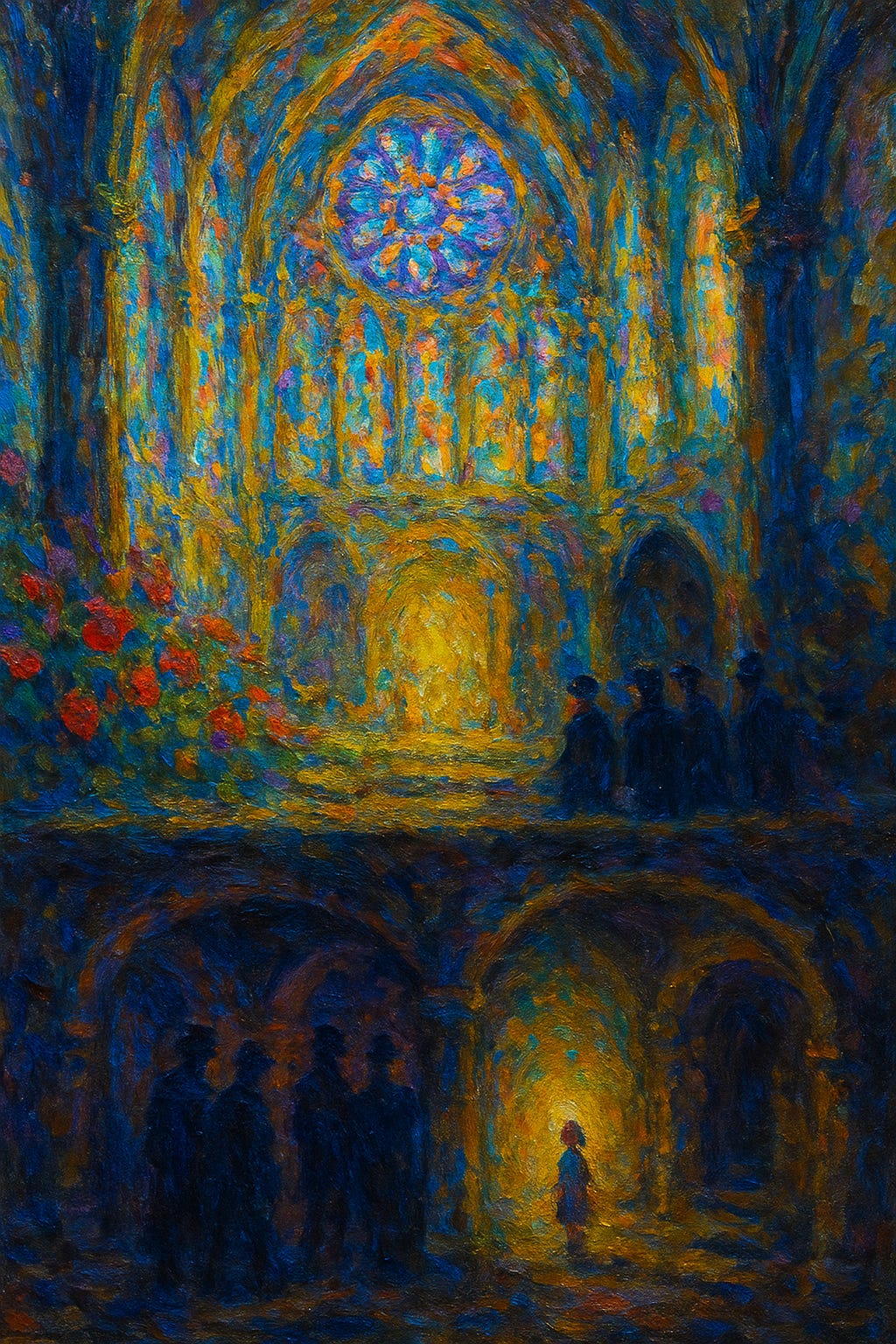
The Quest for Love memoir unveils a chilling reality, peeling back the polished facade of society to expose a sinister underbelly where power protects the unthinkable. Picture a grand cathedral, its stained-glass windows glowing with tales of virtue, while its crypt hides a network of tunnels where the powerful commit atrocities, shielded by their own reverence. This is the world the author, a survivor of a Belgian elite criminal network in the 1970s, reveals—a web of politicians, aristocrats, and tycoons entangled in systematic child abuse, torture, and murder, as detailed in the memoir’s opening sections. Figures like former Prime Minister Paul Vanden Boeynants, a linchpin of this shadow system, wielded political clout to ensure immunity, their crimes buried beneath layers of corruption and cover-ups. The narrative connects to the later Dutroux case, where similar allegations surfaced only to be smothered by dismissed witnesses and closed files, showing how these networks persist. Yet, the author’s story is also one of transcendence, her survival through spiritual intervention—a divine light guiding her through near-death trauma—offering a beacon of hope amid darkness. This is a stark reminder that the world’s moral veneer often hides a brutal truth: the ruled face justice, while rulers play by different rules, a reality too jarring for many to accept.
This account challenges the comforting belief that society runs on merit and democracy, exposing a governance of blackmail and mutual compromise that defies our need for order. Anneke’s vivid scars—photographed decades later as proof of torture—ground the claims in undeniable reality, yet the cognitive dissonance it triggers can overwhelm, as observed in the reactions to such truths. The author’s journey through mind control, forced violence, and eventual healing via therapy and meditation reveals both the depths of human cruelty and the resilience of the spirit. She faced a system designed to silence, where institutions like the Catholic Church and judiciary turned a blind eye, complicit in their inaction. But her transformation from victim to truth-teller underscores a profound counterpoint: even the darkest systems can’t extinguish the light of courage. While the memoir’s revelations may shake our faith in authority, they also invite us to question the narratives we’re fed, urging a reckoning with the hidden rules that govern power. For every claim of elite immunity, though, there’s a quiet critique: such systems thrive only in our silence.
Harrison Koehli’s meticulous analysis, which I explored in our interview about his two decades of studying ponerology, provides the theoretical architecture for understanding what Anneke Lucas survived in flesh and blood. His clinical dissection of elite networks—where "violent pedophiles make up a significant proportion of the ruling class" and filmed abuse becomes "leverage to keep members of the elite from straying"—maps the very system that trapped Anneke in 1970s Belgium. What Koehli describes as interlocking corruption spanning "from churches to police departments to the courts," Anneke navigated as a child, experiencing firsthand how every institution meant to protect instead conspired to conceal. His observation that exposure remains rare because perpetrators are "such prolific sexual deviants" that even minor scandals suffice to destroy them illuminates why Vanden Boeynants and his circle operated with such brazen impunity. Yet where Koehli's rigorous scholarship leads him to tempered conclusions about systemic change—calling exposure a "pipe dream" given the network's entrenchment—Anneke's survival story offers a complementary perspective. Her memoir doesn't contradict his analysis but rather demonstrates what he acknowledges in our conversation: that individual testimony and personal transformation can create "cracks in the Overton window." Both voices are essential—Koehli's systematic understanding of evil's machinery and Lucas's embodied proof that even within such systems, the human spirit can find paths to freedom. Together, they form a complete picture: the clinical and the lived, the systemic and the personal, the analysis and the testimony.
With thanks to Anneke Lucas.
Quest For Love: Memoir of a Child Sex Slave: Lucas, Anneke
Deep Dive Conversation Library (Bonus for Paid Subscribers Only)
This deep dive is based on the book:
Discussion No.105:
23 insights and reflections from “Quest for Love”
Thank you for your support.
Analogy
Imagine a beautiful mansion in the most prestigious neighborhood, with elegant parties attended by the city's most respected citizens - the mayor, judges, business leaders, and prominent families. To outsiders, these gatherings represent the pinnacle of society and culture. But hidden in the mansion's basement is a torture chamber where these same respected figures commit unspeakable crimes against children, while the mansion's security system ensures that any evidence disappears and anyone who might speak out simply vanishes.
The mansion represents our social and political systems, beautiful and impressive on the surface but concealing profound darkness at their core. The elegant parties are like our public institutions - democracy, justice, religion, education - which maintain the appearance of serving good purposes while actually protecting the criminal activities occurring underneath. The respected citizens are our leaders and authority figures, who use their positions not to serve the public but to facilitate and shield their own criminality. The security system represents the networks of corruption, intimidation, and violence that ensure these crimes remain hidden and unpunished.
Just as someone escaping from that basement would find it nearly impossible to convince outsiders that such horrors exist in such a beautiful mansion attended by such respected people, survivors of elite criminal networks face systematic disbelief and denial from a society that cannot accept the reality of who their leaders really are. The mansion's beauty and the guests' respectability serve as the perfect cover, making the truth seem impossible even when the evidence is overwhelming.
The One-Minute Elevator Explanation
"This memoir documents a sophisticated criminal network operating at the highest levels of Belgian society in the 1970s, involving politicians including a former Prime Minister, aristocratic families, and wealthy elites in systematic child abuse, torture, and murder. The author, trafficked into this network as a six-year-old, survived eleven years of extreme trauma including mind control programming, ritualistic abuse, and being forced to kill another child before experiencing spiritual intervention that saved her life and provided guidance for her escape.
The account reveals how these networks function as shadow governance systems that capture legitimate institutions through blackmail and mutual compromisation, creating immunity from prosecution for even the most serious crimes. Political figures like Paul Vanden Boeynants maintained high government positions despite known involvement in these activities, while systematic cover-ups protected the network from exposure. The author's survival required divine intervention and decades of healing work combining therapy, meditation, and spiritual practice.
The memoir connects to the later Dutroux case, where similar network activities were exposed but systematically covered up through corrupted investigations and elimination of witnesses. Physical scars on the author's body, photographed decades later, provide undeniable evidence of the torture she endured. Her account demonstrates how extreme trauma can be both devastating and transformative, ultimately leading to spiritual awakening and service to others through courageous truth-telling about organized abuse at elite levels."
[Elevator dings]
Research threads to explore: "Dutroux case Belgium X-witnesses," "Regina Louf testimony," "Paul Vanden Boeynants political career," "organized ritual abuse recovery methods," "elite trafficking networks documentation."
Interview with Patrick Bet-David versus the Memoir
Based on the review of both the memoir and the interview, here are the people and topics that Anneke covers in the interview that are NOT mentioned in her book:
People Named in Interview But Not in Book:
David Rockefeller - Extensively discussed as the billionaire who trafficked her in the US for a month in 1972, trained her as a spy, and had plans to make her an elite sex slave/French celebrity
Evelyn de Rothschild - Met on an island off the northeastern US coast, gave permission for Rockefeller's plans for her
Dr. Hans Harmson - Nazi doctor who ran the mind control training facility in Heidelberg, Germany
Kurt Georg Kiesinger - German Chancellor who abused her, taught her German
Eddie Arnold - American perpetrator at the Italy event in 1973
Pierre Trudeau - Canadian Prime Minister's father, described as extremely frightening, someone she "could never please as long as she was alive"
An unnamed female celebrity - Someone described as "very innocent" that "nobody would believe," would be in her 80s/90s today
New Topics/Details Not in Book:
The 1972 Bilderberg Meeting connection - How her trafficking to Rockefeller was connected to this event in Belgium
Detailed mind control training methodology - Specific techniques like strangulation until fainting to enhance intuition, forced film watching to learn to read men's sexual perversions
The spy training aspect - Being trained to sleep with men and report back on their weaknesses and sexual preferences to Rockefeller
Rockefeller's specific plans - The detailed plan to make her a French singer/actress celebrity who would attract powerful men for spying purposes
The "ritual" and "giving your will" - More explicit details about satanic initiation ceremonies and refusing to give her will to the network
Jeffrey Epstein connections - Discussion of working with survivors who were trained by Epstein from infancy
Current survivor work - Her ongoing work with other survivors and development of healing modalities
The April 30th significance - Mentioning this as an important date "for the sickness"
Margaret Sanger connections - Linking Hans Harmson to Planned Parenthood and abortion agenda
Specific healing philosophy - Her detailed approach to healing power dynamics and projection
Recognition timeline - Not knowing Rockefeller's identity until his death in 2017, immediate recognition upon seeing his obituary photo
Additional Context/Details:
More explicit discussion of the "global elite network" structure and how it operates
Discussion of modern manifestations and continued operations
Her spiritual teacher identification (Paramahansa Yogananda) and meditation practices
Political views on division and manipulation
Current threats and book publication blocking in France
The interview reveals significantly more about the international/American aspects of her trafficking experience, particularly the Rockefeller connection and the spy training elements, which are completely absent from the Belgian-focused memoir.
12-Point Summary of Book
1. Elite Criminal Network Structure: This memoir documents a sophisticated criminal organization operating at the highest levels of Belgian society in the 1970s, involving politicians, aristocrats, and wealthy businessmen in systematic child abuse, torture, and murder. The network used political power and social status to shield its activities from investigation while operating through a carefully maintained hierarchy that protected the most powerful participants.
2. Political Protection and Corruption: Key figures like former Belgian Prime Minister Paul Vanden Boeynants maintained high government positions despite participating in serious crimes, demonstrating how wealth and political connections can create virtual immunity from prosecution. The systematic protection of network members through corrupted investigations and judicial proceedings reveals how criminal organizations can capture entire governmental systems.
3. Systematic Child Exploitation: The network employed sophisticated methods for recruiting, controlling, and exploiting children, including mind control techniques, torture, and psychological programming designed to create compliant victims who could not resist or report their abuse. Children were sourced from vulnerable families and aristocratic households, with different victims serving different purposes within the organization's operations.
4. International Scope and Coordination: The Belgian network operated as part of a larger international criminal organization, with evidence of coordination between operations in different countries and specialized facilities for training child victims for intelligence gathering and sexual exploitation of high-level targets. This international dimension suggests resources and organization far beyond regional criminal enterprises.
5. Institutional Failure and Complicity: Educational, religious, and social institutions systematically failed to protect children or respond to obvious signs of abuse, demonstrating how elite criminal networks rely on institutional complicity and willful blindness to maintain their operations. The failure of supposedly protective institutions created environments where abuse could flourish unchallenged.
6. Cover-up Mechanisms and Witness Elimination: The network maintained secrecy through multiple layers of control including psychological programming of victims, corruption of law enforcement and judicial systems, and systematic elimination of witnesses who might expose broader operations. The documented deaths of approximately thirty potential witnesses in the Dutroux case illustrates how these organizations protect themselves through violence.
7. Spiritual Intervention and Transcendence: During the most extreme trauma, the author experienced profound spiritual intervention that included healing, guidance from transcendent beings, and instructions about her life purpose. These experiences provided the foundation for her survival and eventual healing, demonstrating how divine consciousness can operate even in the darkest circumstances to protect and guide those who suffer.
8. Memory Suppression and Recovery: The memoir illustrates how traumatic memories can be completely suppressed through gaslighting, continued abuse, and psychological survival mechanisms, yet remain intact in unconscious areas of the mind where they continue to influence behavior and life choices. The author's decades-long process of memory recovery demonstrates both the protective function of dissociation and the possibility of eventual integration.
9. Intergenerational Trauma Transmission: The account reveals how unresolved trauma perpetuates itself across generations, with traumatized parents unconsciously recreating abusive patterns with their own children. The author's mother, likely an abuse victim herself, became a perpetrator by refusing to process her own trauma, illustrating how healing requires conscious intervention to break destructive cycles.
10. Therapeutic and Spiritual Healing: Recovery from extreme trauma requires a combination of psychological therapy, spiritual practice, and commitment to truth that may take decades to complete. The author's healing journey demonstrates how meditation, divine connection, and gradual memory integration can transform even the most devastating experiences into wisdom and compassion for serving others.
11. Network Persistence and Modern Relevance: The systematic cover-up of network activities during the 1990s Dutroux case, including the dismissal of credible witness testimony and closure of investigative files without trial, demonstrates how these criminal organizations continue to operate and protect themselves decades after their initial exposure. The persistence of these protection mechanisms suggests ongoing network activity and influence.
12. Personal Transformation and Service: Despite experiencing unimaginable trauma, the author transformed her suffering into a source of wisdom and service to others, ultimately choosing to break decades of silence to document these crimes and contribute to public understanding of organized abuse. Her journey illustrates how even the darkest experiences can serve spiritual purposes and contribute to healing collective trauma through truthful witness and courageous disclosure.
Satanic Ritual
Based on both the book and interview, here's what is said about satanic rituals:
From the Book:
Ritual Murder Scene: The book describes in detail a forced killing that appears to be ritualistic in nature:
Takes place in a villa with an orgy in progress
The author is forced to kill a 9-year-old girl with a dagger on what appears to be a dentist's chair
Multiple network members watch as an audience
The killing is described as serving to "bond members through shared criminality" and create "blackmail material"
The author describes entering a state where she feels "pure power" and becoming "the beast" during the act
References to Satanic Elements:
The book mentions "satanic ceremonies and exit rituals" that the Belgians copied from their global network role models
References to network members who "sell their soul to the devil"
The author describes how "the most insecure and immature men need power the most, because they are the most deadened"
From the Interview:
Satanic Ritual Context:
Anneke describes the week-long event in Italy (1973) as including "rituals happening" alongside the sexual abuse
She mentions April 30th as "an important day for the sickness" though she says she's "not exactly sure why"
The planned ritual at the end of that week was her "big entry" where she would have to "give her will to the network to Satan"
Network Structure and Satanism: Anneke explains there are different types of participants:
"Sincere satanists" - "who really sell their soul to Satan and they have rituals and there are sacrifices being made"
Those who "just want to belong to the club of power"
She describes how people get "sucked in" - starting with having to stay quiet about sexual abuse, then gradually becoming participants themselves
Ritualistic Aspects:
She describes the Italy event as like "a dionysian orgy" that "goes on for days and days"
References to "sacrifices being made" by the sincere satanists
The network uses ritual participation to create "unbreakable bonds of complicity"
Key Distinctions:
The book focuses more on the specific ritual murder she was forced to commit, while the interview provides more context about the broader satanic framework of the network - distinguishing between true believers who "sell their soul to Satan" and those who participate for power and access. Both sources emphasize how ritual participation serves as a control mechanism through shared guilt and blackmail material.
45 Questions and Answers Based on the Book
Question (1): What was the structure and scope of the Belgian criminal network described in this memoir?
Answer: The Belgian criminal network operated as a sophisticated hierarchy with political figures at the top, facilitators in the middle, and various suppliers of children at the bottom. At its apex stood figures like Paul "Polo" Vanden Boeynants, a former Belgian Prime Minister who used his political position and connections to protect the network's operations. The structure included aristocratic families who provided venues and participated directly, handlers like Michel Nihoul who organized logistics and managed victims, and various pimps and suppliers who procured children from vulnerable families.
The network's scope extended internationally, with connections to similar operations in other countries and what the author describes as a "global network" with even more powerful figures at its center. The Belgian operation functioned as a regional chapter of this larger system, using multiple venues including castles, private villas, and remote mansions throughout Belgium and neighboring areas. The network served multiple purposes: sexual exploitation of children, political blackmail operations, and ritualistic activities that bonded members through shared criminality while ensuring mutual silence through complicity.
Question (2): How did children first become entrapped in this network and what were the recruitment methods?
Answer: Children entered the network through various pathways, often beginning with trusted adults who had access to vulnerable families. In the author's case, recruitment started when she was approximately six years old through the family's cleaning lady and her husband, who initially took her for weekend stays under the guise of babysitting. This couple then introduced her to network handlers at organized events, demonstrating how perpetrators often used seemingly legitimate relationships to gain access to children.
The network particularly targeted children from unstable family situations where parental supervision was compromised or where parents could be manipulated, threatened, or financially incentivized to cooperate. Some children came from aristocratic families who were already network participants, while others were recruited through various social services connections or through parents who were themselves involved in criminal activities. The recruitment process typically involved gradual exposure to increasingly serious abuse, with handlers carefully observing which children might be suitable for different roles within the network's operations, from short-term exploitation to long-term programming for specialized purposes.
Question (3): Who was Paul "Polo" Vanden Boeynants and what role did he play in Belgian politics and the network?
Answer: Paul Vanden Boeynants, known as "Polo," was a prominent Belgian politician who served as Prime Minister twice (1966-1968 and 1978-1979) and held the position of Minister of National Defense from 1972-1979. He began his career as a butcher before building a meat-processing empire and entering politics in 1948, eventually becoming a powerful figure in Belgian conservative politics and a longtime Brussels city council member. His political positions gave him access to significant government contracts, particularly in military equipment procurement, and allowed him to build extensive networks of influence throughout Belgian society.
Within the criminal network described in the memoir, Polo functioned as the ultimate authority figure whose political position provided protection for the network's activities. The author describes him as "the biggest boss, the biggest sadist" who used his power to shield other network members from investigation and prosecution. His dual role as both a respected political figure and network leader exemplified how the organization operated at the highest levels of Belgian society, using legitimate political power to facilitate and protect systematic criminal activity. His 1989 kidnapping by Patrick Haemers, which resulted in a large ransom payment, demonstrated the complex relationships between various criminal elements and the political establishment.
Question (4): What was Patrick Haemers' background and how did he become involved in both criminal activities and the network?
Answer: Patrick Haemers was born in 1952 and experienced severe childhood trauma that shaped his later criminal trajectory. At age twelve, his father discovered him in an incestuous relationship with his mother and stabbed him in the knee with a kitchen knife, leaving him with a permanent limp and deep psychological wounds. This traumatic incident, where Patrick was blamed for the sexual abuse perpetrated by his mother, created lasting damage to his sense of identity and relationship with authority figures, pushing him toward criminal behavior as both an expression of rebellion and an attempt to reclaim power.
Patrick's entry into the network appears to have occurred through family connections, as his father was present at network events and seemed to have introduced Patrick to this environment. His criminal career included bank robberies, armed holdups, and eventually kidnapping, with his gang responsible for multiple fatalities during their operations. Within the network, Patrick occupied a unique position as someone who could move between the criminal underworld and the elite circles, serving as both an enforcer and someone who could handle sensitive operations that required violence. His relationship with the author began when she was ten years old, and his protection of her within the network stemmed from both genuine attachment and his own psychological needs for control and redemption.
Question (5): How did the relationship between the author and Patrick Haemers develop and what psychological dynamics were at play?
Answer: The relationship began when the author was ten years old and Patrick was twenty-one, initially developing as what appeared to be protective connection within the network environment. Patrick's approach differed from other network participants in that he initially refrained from sexual contact, instead offering the author protection from other perpetrators while gradually building emotional dependency. This created a trauma bond where the author experienced Patrick as her savior within an otherwise hopeless situation, leading to genuine feelings of attachment despite the inherently abusive nature of their relationship.
The psychological dynamics involved complex layers of Stockholm syndrome, where the victim develops positive feelings toward their captor, combined with Patrick's own unresolved trauma from childhood sexual abuse. Patrick appeared to project his own childhood self onto the author while simultaneously identifying with his abuser father, creating a cycle where he both protected and harmed her. The relationship served Patrick's psychological need to feel powerful and loved while allowing him to replay his own trauma in different roles, sometimes as the victim seeking care and sometimes as the perpetrator exercising control. For the author, Patrick represented the closest thing to love and safety she had experienced, making it impossible for her to recognize the relationship's fundamentally exploitative nature until much later in her healing process.
Question (6): What role did Michel Nihoul play as a facilitator within the network operations?
Answer: Michel Nihoul served as a key operational manager within the Belgian network, functioning as the primary liaison between child victims, handlers, perpetrators, and the leadership figures like Polo. He was responsible for organizing logistics at network events, including arranging transportation, managing venues, and coordinating which children would be available to which participants. His role required him to maintain detailed knowledge of network operations while serving as a buffer between the high-level political figures and the day-to-day criminal activities.
Nihoul's position made him indispensable to the network's functioning, as he handled the practical arrangements that allowed the more powerful figures to maintain plausible deniability about their involvement. He appeared to take particular pleasure in his authority over the children and in demonstrating his importance to network operations, often displaying sadistic behavior when given the opportunity to exercise power. His later prominence in the Dutroux case, where he was arrested and tried but received relatively light sentences, demonstrated how his intimate knowledge of network operations provided him with both vulnerability and protection, as prosecuting him fully would have exposed the broader network's activities and implicated more powerful figures.
Question (7): How were aristocratic families like the d'Auriacs involved in perpetuating these crimes?
Answer: Aristocratic families like the d'Auriacs provided both venues and legitimacy to the network's operations while directly participating in the abuse of children. The Count and Countess d'Auriac used their family estate and social connections to host network events, with their manor serving as one of several regular locations for organized abuse activities. Their aristocratic status provided cover for these gatherings, as their social position made it unlikely that their activities would be questioned or investigated by authorities who might otherwise be suspicious of such gatherings.
The d'Auriac family's involvement extended to including their own children in network activities, with their daughter Florence being both a victim and a participant in the abuse of other children. This pattern demonstrated how the network perpetuated itself across generations, with aristocratic families treating the sexual exploitation of children as part of their cultural privilege and social traditions. The family's behavior illustrated how class privilege could shield criminal activity, as their aristocratic status provided them with social immunity that allowed them to operate openly while maintaining respectability in broader society. Their casual attitude toward involving their children showed how normalized such behavior had become within these elite circles.
Question (8): What was the author's mother's role in delivering her daughter to the network and what motivated her actions?
Answer: The author's mother, Sabine Michielsen, actively facilitated her daughter's exploitation by personally driving her to network events and maintaining the fiction that nothing unusual was occurring. She appeared to be motivated by a combination of financial incentives, social climbing aspirations, and psychological needs related to her own unresolved trauma. Her behavior suggested she viewed her daughter as competition for male attention and used the network as a way to simultaneously profit from and eliminate this perceived threat while gaining access to elite social circles.
The mother's actions were characterized by systematic gaslighting, where she would deny the reality of what was happening even when confronted with obvious evidence such as her daughter's injuries. She seemed to operate from a psychological framework where she needed to maintain the illusion of being a good mother while simultaneously perpetrating serious harm against her child. Her behavior patterns suggested she had likely experienced significant trauma herself, possibly including sexual abuse, which she had never processed or integrated. Instead of protecting her daughter, she projected her own unresolved pain onto the child while pursuing the social status and financial benefits that came from providing access to her daughter for network activities.
Question (9): How did the network use various locations including castles, villas, and private residences for their activities?
Answer: The network operated through a carefully maintained system of venues that provided both privacy and legitimacy for their criminal activities. Castles and aristocratic estates served as primary locations, offering the advantage of extensive private grounds, historical respectability, and built-in security through isolation and social status. These venues were often owned by network participants themselves, such as the d'Auriac manor and various other estates throughout Belgium, providing secure locations where activities could occur without external interference or observation.
Private villas and residences were used for smaller gatherings and more specialized activities, including torture sessions and ritualistic abuse. The network maintained access to properties in Belgium, France, and other locations, allowing them to move operations across borders when necessary and provide venues for different types of activities. Some locations, such as the isolated mansion referred to as the "Hungry House," were specifically maintained for housing children between events or for extended abuse sessions. The variety of venues allowed the network to appear as legitimate social gatherings to outsiders while providing the privacy necessary for criminal activities, with the prestigious nature of many locations helping to discourage investigation from authorities who might be reluctant to intrude on elite social events.
Question (10): What specific mind control and torture techniques were employed against the children?
Answer: The network employed sophisticated psychological manipulation techniques designed to break down children's resistance and create compliant victims who could be controlled through fear and dependency. These methods included systematic torture designed to induce dissociation, where children would mentally separate from their physical bodies during abuse as a survival mechanism. The perpetrators used this natural trauma response to fragment the children's personalities, creating different internal parts that could be activated for different purposes, such as sexual performance or maintaining secrecy about network activities.
Physical torture techniques included the use of various instruments such as knives, cigarettes, and specialized torture devices designed to inflict maximum psychological impact while leaving manageable physical evidence. The network also employed sexual torture, forced drug use, and ritualistic abuse designed to bond victims to their perpetrators through shared traumatic experiences. Children were forced to participate in or witness the abuse and murder of other children, creating guilt and complicity that made it more difficult for them to seek help or speak out. The psychological programming included implanting self-destructive thoughts, such as the instruction that victims should kill themselves if abandoned by their handlers, ensuring continued control even when perpetrators were not physically present.
Question (11): How did the network connect to international operations and what was the German training facility?
Answer: The Belgian network operated as a regional component of a larger international criminal organization, with connections to similar operations in other European countries and beyond. The author describes being taken to a specialized training facility in Germany, where she underwent intensive conditioning designed to enhance her usefulness for intelligence gathering and sexual exploitation of high-level targets. This facility represented a more sophisticated level of operations than the Belgian activities, suggesting a hierarchical structure where certain victims were selected for advanced programming that would allow them to operate among global elite circles.
The German facility employed advanced mind control techniques including sensory deprivation, pharmaceutical manipulation, and psychological conditioning designed to develop the author's intuitive abilities and eliminate her natural emotional responses to abuse. The training was specifically designed to prepare her for use as both a sexual operator and intelligence asset who could gather information from powerful targets while maintaining perfect secrecy about her activities. This international dimension of the network demonstrated its scope and sophistication, showing how regional operations like the Belgian network served larger strategic purposes and how victims could be moved between different levels and locations within the organization based on their perceived value and capabilities.
Question (12): What happened to Peter Bosmans and how does his death illustrate the network's reach?
Answer: Peter Bosmans was a fourteen-year-old boy who developed a genuine relationship with the author outside the network context, representing a potential threat to her continued exploitation and Patrick Haemers' control over her. When Patrick discovered this relationship, he made good on his threat to kill Peter, staging the murder to appear as an accidental gas leak in Peter's family home. Peter was found dead by his father on September 12, 1974, with authorities recording the death as an accident involving a gas stove, despite the suspicious circumstances.
Peter's murder demonstrated the network's ability to eliminate threats through sophisticated staging that avoided criminal investigation, showing how perpetrators could kill with impunity by making murders appear accidental. The case also illustrated how network participants like Patrick could operate across different geographical areas and access private homes without detection, suggesting either widespread corruption in law enforcement or such skilled criminal technique that investigation never developed. Peter's death represented the network's determination to maintain control over valuable assets like the author, and showed how even innocent relationships outside the network could become fatal for those who might provide victims with genuine emotional support or potential escape routes.
Question (13): How did the author survive the systematic torture session led by Michel Nihoul?
Answer: The author's survival during the prolonged torture session appeared to result from a combination of her previous conditioning, psychological resilience, and what she describes as divine intervention. Her earlier training in Germany had taught her to withstand extreme physical pain through dissociation techniques, allowing her to mentally separate from her physical body during the worst moments of abuse. During the torture, she employed breathing techniques and focused meditation that helped her transcend the immediate physical reality while maintaining enough awareness to avoid giving Nihoul the emotional reactions he sought.
The session was ultimately interrupted by one of Polo's associates, who ordered Nihoul to stop before the torture reached its intended fatal conclusion. This intervention came at a moment when Nihoul was preparing to amputate the author's foot, suggesting that the interruption was precisely timed to save her life while ensuring she had suffered enough to serve the network's purposes. The author's account suggests that her refusal to play the role of helpless victim frustrated Nihoul's psychological needs, making the torture less satisfying for him and potentially contributing to the decision to end the session. Her survival also appeared connected to her spiritual experiences during the abuse, where she reported receiving guidance and strength from transcendent sources that helped her endure what should have been fatal trauma.
Question (14): What was the significance of the forced killing and how did it affect the author psychologically?
Answer: The forced killing represented the network's final attempt to destroy the author's moral center and bind her permanently to the organization through shared guilt and complicity. By forcing her to murder another child, the perpetrators aimed to eliminate any sense of innocence or moral superiority that might allow her to seek help or speak out against the network. This technique served multiple purposes: it created devastating psychological trauma that would likely prevent her from functioning normally in society, generated blackmail material that could be used to control her indefinitely, and initiated her into the network's inner circle where all members were bound by mutual complicity in serious crimes.
The psychological impact was profound and lasting, creating a complex of guilt, shame, and self-hatred that would dominate the author's internal landscape for decades. The murder shattered her sense of identity as a victim and forced her to accept responsibility for an act she had been coerced to commit, creating a psychological burden that made healing extremely difficult. However, the author's account suggests that her motivation during the killing—initially rage at her mother's betrayals rather than hatred for the innocent victim—preserved some core part of her moral identity. The spiritual experience that accompanied and followed the killing, where she was able to help the dying child transition peacefully, ultimately provided a pathway for later healing and integration of this traumatic experience.
Question (15): What role did Florence d'Auriac play among the child victims and what were the dynamics between victims?
Answer: Florence d'Auriac, daughter of the aristocratic family, occupied a complex position within the network as both victim and perpetrator, wielding relative power over other children while remaining subject to abuse herself. Her aristocratic status provided her with certain privileges and protections that other victims lacked, allowing her to sometimes avoid the worst abuse while being positioned to participate in harming others. She demonstrated sophisticated understanding of network hierarchies and used her knowledge to manipulate situations to her advantage, often at the expense of more vulnerable children like the author.
The dynamics between child victims reflected the broader power structures of the network, with children from privileged families like Florence maintaining higher status than those from working-class backgrounds. These hierarchies created competition and conflict among victims, preventing them from forming alliances that might threaten network control. Florence's behavior toward the author included jealousy, manipulation, and direct participation in abuse, showing how the network successfully turned victims against each other to maintain control. Her actions, such as deliberately sabotaging the author's relationship with Peter Bosmans, demonstrated how children within the network learned to survive by identifying with their abusers and participating in the harm of others, perpetuating cycles of abuse even among the victims themselves.
Question (16): How did the network maintain secrecy and prevent victims from speaking out?
Answer: The network employed multiple layers of control to ensure victim silence, beginning with systematic psychological programming that implanted self-destructive responses to any attempt at disclosure. Victims were conditioned to believe that speaking out would result in their own death or the death of anyone they told, with this programming reinforced through regular demonstrations of the network's power to kill with impunity. Children were forced to witness murders and participate in violence against other victims, creating guilt and complicity that made them feel responsible for the crimes rather than purely victimized.
The network also maintained control through infiltration of legitimate institutions, ensuring that any reports of abuse would be intercepted or dismissed before reaching individuals who might take action. The involvement of high-level political figures, law enforcement officials, and other authority figures meant that victims had no safe avenue for disclosure, as the very people who should have protected them were often network participants themselves. Social and economic pressures were applied to victims' families, with parents either bought off, threatened, or compromised in ways that prevented them from supporting their children's attempts to seek help. The network's demonstrated ability to eliminate threats, as shown in cases like Peter Bosmans' murder, provided ongoing deterrence against any victim who might consider speaking out about their experiences.
Question (17): What evidence exists of political protection for network members?
Answer: The memoir provides extensive evidence of political protection through the career and treatment of Paul Vanden Boeynants, who maintained high-level political positions despite his involvement in the network's criminal activities. His ability to serve twice as Prime Minister and maintain significant political influence while participating in systematic child abuse demonstrated the protection afforded to network members at the highest levels of government. Even when he faced legal challenges related to fiscal fraud and other crimes, his sentences were suspended "in view of his services to the state," showing how the political establishment protected its own members regardless of their criminal activities.
The handling of investigations related to network activities provided further evidence of systematic protection, with cases being transferred between jurisdictions, evidence disappearing, and investigators being removed when they got too close to exposing high-level involvement. The author describes how investigators in the Dutroux case who were making progress on network connections were systematically replaced or discredited, with their findings buried or dismissed. The fact that statute of limitations periods were allowed to expire on multiple child murder cases linked to network activities, and that the "Dutroux-bis" file containing evidence of broader network involvement was quietly closed without trial, demonstrated how the political and judicial systems worked together to protect network participants from meaningful consequences for their crimes.
Question (18): How does the Dutroux case relate to the broader network described in this memoir?
Answer: The Dutroux case, which erupted in 1996 with the discovery of kidnapped and murdered children, provided public glimpse into the broader network that the author had experienced decades earlier. Marc Dutroux himself claimed to be "a small cog in a giant wheel" and alluded to protection by highly placed government officials, statements that aligned with the author's account of a sophisticated criminal organization extending far beyond any individual perpetrator. The case initially appeared to validate the existence of what media called a "deadly pornography ring" involving high-level figures, but the investigation was systematically undermined and limited to focus solely on Dutroux as an individual actor.
The X-witnesses who testified in the Dutroux case, particularly Regina Louf (X1), provided detailed accounts that corroborated many elements of the network described in the memoir, including the involvement of Michel Nihoul and connections to unsolved child murders from previous decades. However, these testimonies were ultimately dismissed after the original investigators were removed and replaced with teams that approached the X-witness accounts with skepticism from the outset. The systematic discrediting of witness testimony and the separation of broader network evidence into the "Dutroux-bis" file, which was subsequently closed without trial, demonstrated how the same protective mechanisms described in the memoir continued to operate decades later to shield the network from exposure.
Question (19): What happened to the X-witnesses who testified about the network and why were their testimonies dismissed?
Answer: The X-witnesses, particularly Regina Louf who testified under the codename X1, provided extraordinarily detailed and specific information about network operations, including accurate descriptions of crime scenes, victim details, and perpetrator information that enabled investigators to link their testimony to multiple unsolved child murders. Regina Louf's accounts were initially taken seriously by dedicated investigators who found her information credible and began making connections to cold cases that had remained unsolved for years. Her testimony specifically implicated Michel Nihoul and other network figures in systematic child abuse and murder, providing a roadmap for understanding the broader criminal organization.
However, the investigation was systematically undermined when the original magistrate was fired for allegedly compromising his objectivity, and the initial investigative team was placed on leave and replaced with new personnel who approached the X-witness testimonies with predetermined skepticism. The replacement team conducted what they called a "rereading" of the X1 files, during which they changed quotes, took statements out of context, and systematically discredited the witness accounts through selective interpretation of evidence. Despite the fact that later analysis showed the "rereading" reports contained numerous errors and misrepresentations, the damage was done, and by 1998, eleven magistrates declared Regina Louf's testimony "completely worthless." This systematic discrediting occurred while statute of limitations periods expired on the very cases her testimony had illuminated, ensuring that no prosecutions could proceed based on her information.
Question (20): How did Belgian authorities handle investigations into these crimes and what evidence suggests cover-ups?
Answer: Belgian authorities demonstrated a pattern of investigative sabotage that strongly suggested systematic cover-ups designed to protect high-level network participants. The most obvious example was the firing of the chief investigator in the Dutroux case who had promised the public to "get to the bottom of this" - he was removed for allegedly compromising his objectivity by eating a plate of spaghetti at a fundraiser for victims. This absurd justification for removing a dedicated investigator triggered massive public protests, with over 300,000 people taking to the streets in the White Marches to protest government corruption in handling the case.
The authorities' handling of evidence and witnesses revealed systematic obstruction of justice. Key investigators were removed when they made progress connecting individual crimes to broader network activities, investigative teams were replaced with personnel predetermined to discredit witness testimony, and crucial evidence was separated into files that were subsequently closed without trial. The timing of these actions ensured that statute of limitations periods would expire before prosecutions could proceed, and the systematic discrediting of X-witness testimony eliminated the primary sources of information about network operations. Additionally, the suspicious deaths of approximately thirty potential witnesses, as documented by journalist Douglas De Coninck, suggested active elimination of individuals who might have provided testimony exposing the broader network.
Question (21): What was the author's experience of near-death and spiritual intervention during the torture?
Answer: During the prolonged torture session, the author experienced what she describes as a profound spiritual awakening that included visions of divine light and communication with transcendent beings. As her physical body approached death from blood loss and trauma, she reported seeing a brilliant white light with a golden rim that provided comfort and strength, allowing her to transcend the immediate physical reality of her torture. This light appeared to be connected to a conscious intelligence that guided her through the experience and provided the strength necessary to survive what should have been fatal trauma.
The spiritual experience intensified after she was forced to kill another child, when she found herself in the presence of what she describes as "The Teacher" - a beautiful being with long black hair and bronze skin who emanated profound wisdom and compassion. This figure, whom she later identified as Paramahansa Yogananda, explained the spiritual purposes behind her suffering and provided information about her future path. The experience included encounters with other elevated beings who commended the murdered child for passing a difficult test and assured the author that the child was well and at peace. These spiritual encounters provided not only immediate comfort during extreme trauma but also a framework for understanding her experiences that would prove crucial for her later healing and recovery.
Question (22): Who was Paramahansa Yogananda and what role did he play in the author's spiritual experience?
Answer: Paramahansa Yogananda was an Indian spiritual teacher (1893-1952) who brought the teachings of yoga and the sacred technique of Kriya Yoga to the Western world, founding Self Realization Fellowship to disseminate these teachings. He was the author of "Autobiography of a Yogi," published in 1946, and spent his later years writing spiritual commentaries on both Christian and Hindu scriptures, offering intuitively perceived interpretations that bridged Eastern and Western spiritual traditions. His teachings emphasized the direct personal experience of divine consciousness through meditation and the underlying unity of all religious paths.
In the author's spiritual experience during her near-death state, Yogananda appeared as "The Teacher" - the transcendent being who guided her through the spiritual dimensions and explained the purposes behind her suffering. His presence provided not only immediate comfort and strength during her most traumatic moments but also established a spiritual framework that would guide her healing process throughout her life. The author's later discovery of his photograph and teachings in a Los Angeles bookstore confirmed her identification of this spiritual guide, leading her to adopt meditation practices that became central to her recovery process. Yogananda's role in her experience demonstrates how advanced spiritual teachers can provide guidance and protection across dimensional boundaries, offering hope and direction to those facing extreme darkness and trauma.
Question (23): How did the author's consciousness and physical body change during the transcendent experience?
Answer: During her transcendent experience, the author underwent remarkable physical healing that defied medical explanation, with her wounds appearing to heal weeks' worth of recovery in a matter of hours. When she regained consciousness after her spiritual journey, she discovered that her numerous cuts and injuries had stopped bleeding, were clean and dry, and appeared much smaller than they had been during the torture. Her bruises had completely disappeared, her skin was glowing with health, and she had even gained weight despite not eating for an extended period. These physical changes were so dramatic that Patrick Haemers was terrified to approach her, treating her as though she were an apparition rather than a normal human being.
The transformation extended beyond physical healing to include changes in her consciousness and energy field that made her appear fundamentally different to those around her. She moved with unusual lightness and grace, her awareness was heightened, and she seemed to radiate a quality that others found either compelling or frightening depending on their own spiritual sensitivity. The author describes feeling simultaneously more grounded in divine love and more detached from earthly concerns, creating a state of being that was neither fully human nor fully transcendent. This transformation provided her with resources for survival and healing that would prove crucial in the years to come, while also marking her as someone who had undergone a profound spiritual initiation that changed her essential nature.
Question (24): What instructions did the spiritual beings give the author about her future life?
Answer: The spiritual beings provided the author with specific guidance about her life purpose and the path she needed to follow to fulfill her spiritual mission. They explained that she would need to return to physical incarnation despite her desire to remain in the transcendent realms, and that her experiences, however traumatic, served important purposes that would become clear over time. The beings showed her visions of future events and revealed the multi-layered purposes behind her life experiences, including how her survival and eventual testimony would contribute to exposing and healing the darkness she had encountered.
The guidance emphasized that her path would involve learning to love and understand herself in order to extend that same love and understanding to others, including eventually those who had harmed her. She was told that she would need to integrate the guilt over the murder she had been forced to commit, transforming it into wisdom and compassion that could help others heal from similar trauma. The beings also indicated that her experiences with the network, while devastating, were part of a larger spiritual curriculum designed to develop her capacity for unconditional love and understanding. This guidance provided a framework for her later healing work and gave meaning to suffering that might otherwise have been unbearable to integrate.
Question (25): How did Patrick Haemers provide survival instructions to the author before their final separation?
Answer: During their final car ride together, Patrick delivered detailed survival instructions that operated like hypnotic programming, providing specific guidelines for how the author should live her life to maximize her chances of safety and success. These instructions included leaving Belgium by her late teens, studying English, and eventually moving to New York City where she would be safer from network reach. He specified that she should marry someone her own age from a wealthy family, preferably New York bankers, rather than older self-made men who might have criminal connections or exploitative intentions.
Patrick's instructions also included strict prohibitions designed to protect her from further exploitation: never become a prostitute, never accept money for sex, never buy drugs herself though she could accept them if offered, and limit alcohol consumption to wine with occasional cocktails. He told her to dress attractively but conservatively, avoiding clothing that might mark her as available for exploitation. Most importantly, he instructed her to forget everything about her network experiences and never speak about them to anyone. These instructions, delivered during their final intimate encounter, were designed to operate at an unconscious level throughout her life, and indeed she found herself following them precisely even after forgetting their source, demonstrating the power of trauma bonding and hypnotic suggestion in shaping behavior.
Question (26): What happened to the author immediately after her rescue from the network?
Answer: Following her rescue from the network, the author faced immediate challenges from her mother, who was unhappy about losing both her income source and her primary method of controlling her daughter. Despite obvious physical evidence of abuse in the form of large scabs covering the author's body, her mother maintained the same gaslighting approach that had characterized their relationship, systematically denying the reality of what had occurred and refusing to acknowledge the visible wounds. The mother kept her daughter out of school to avoid external observation while aggressively maintaining the fiction that nothing unusual had happened.
When the author attempted to verbally confront her mother about the obvious evidence of abuse, her mother responded with violence, including a strangulation attempt and one final unauthorized trip to network contacts. The mother ultimately regained complete control through a sexual assault that created such overwhelming shame that the author dissociated and gave up her resistance entirely. This final assault was so psychologically devastating that it caused the author to split off from her memories and return to the placating behavior that characterized her earlier relationship with her mother. The combination of continued gaslighting, physical violence, and sexual assault effectively sealed away the network experiences, allowing the mother to reestablish the family narrative in which she was a perfect parent and any evidence to the contrary simply didn't exist.
Question (27): How did the author's mother continue to control and gaslight her after the network experience?
Answer: After the network period ended, the author's mother intensified her gaslighting techniques, creating an alternative reality where she was the perfect mother and any evidence of abuse or neglect simply didn't exist. Despite the author's body being covered with obvious signs of severe trauma, including scabs from torture wounds, her mother systematically denied the reality of these injuries and refused to acknowledge their existence. This gaslighting was so complete that the mother would look directly at the evidence of abuse while maintaining that nothing had happened, creating a psychological environment where reality itself became unreliable.
The mother's control techniques included physical violence when verbal manipulation failed, culminating in a sexual assault that created such profound shame that the author completely surrendered her sense of reality to avoid further trauma. This final violation was so psychologically devastating that it caused the author to split off from her conscious awareness of the network experiences entirely, preferring psychological fragmentation to continued conflict with her mother. The mother's success in maintaining her false narrative was so complete that physical scars remained on the author's body for decades while she had no conscious memory of how they had occurred, demonstrating the power of systematic gaslighting combined with trauma to alter perception and memory.
Question (28): What was the process of memory suppression and how did traumatic memories become buried?
Answer: The memory suppression occurred through a combination of survival-based dissociation, continued gaslighting, and the author's psychological need to maintain some form of family attachment despite evidence of betrayal. As the physical scabs from her torture healed and disappeared, the author found herself increasingly disconnected from the experiences that had caused them, with her conscious mind unable to reconcile the evidence of severe trauma with her need to believe in her mother's love and protection. The systematic denial of reality by her mother, combined with the absence of any external validation or support, created conditions where the traumatic memories became increasingly isolated from conscious awareness.
Patrick Haemers' specific instruction to "forget everything" operated as a form of hypnotic suggestion that reinforced the natural dissociative processes already occurring due to trauma. The memories weren't completely erased but rather compartmentalized in areas of consciousness that were inaccessible during normal waking awareness, though they continued to influence the author's behavior, choices, and emotional responses throughout her life. This dissociative process was so complete that the author could look at physical scars on her body decades later without any conscious recollection of how they had occurred, though the buried memories remained intact and would eventually surface during therapy when conditions became safe enough for integration.
Question (29): How did the author eventually leave Belgium and follow the prescribed path to New York?
Answer: The author's departure from Belgium unfolded exactly as Patrick Haemers had instructed, though she remained unconscious of following his directions due to memory suppression. She began struggling academically in middle school, repeating eighth grade twice and switching schools each time before ultimately dropping out at age fifteen. This academic failure created the conditions for her to begin drifting away from home, staying with various people she met in bars and cafes, which aligned with Patrick's instruction to leave home by her late teens and prepared her psychologically for eventual emigration.
At sixteen, she ended up in Antwerp's red-light district through bar acquaintances, where she was recruited by an establishment owner but managed to avoid actually becoming a prostitute, honoring Patrick's first prohibition without conscious awareness of doing so. She then moved in with an older man who eventually coerced her into a sexual relationship, but she left him once she had established financial independence through legitimate work. In February 1982, she met her biological father who also sexually exploited her, prompting her to leave Belgium entirely just three months later. She first went to the South of France where she got a job selling ice cream for the summer, exactly as she had once dreamed of doing with Peter Bosmans, before moving to London, then Paris, and finally to New York in 1985, precisely following the geographical progression Patrick had outlined.
Question (30): What was the author's experience beginning therapy and recovering suppressed memories?
Answer: The author's therapeutic journey began in 1987 in Los Angeles when she started therapy to address her relationship with her biological father, initially approaching it from his perspective that they were equals who had entered a consensual relationship. When her therapist stated clearly, "Your father abused you," this simple acknowledgment of reality broke through years of conditioning and allowed her to access genuine grief and disappointment for the first time. This initial breakthrough demonstrated the transformative power of having traumatic experiences validated and reframed, showing her that therapeutic work could lead to profound healing and personal growth.
However, the recovery of network-related memories proved much more challenging and dangerous, beginning with a powerful flashback triggered by a smell near Skid Row that brought back memories of the degrading sexual performance she had been forced to give during her first network experience. This flashback was so overwhelming that her only clear thought was suicidal: "If this is true, I'm going to kill myself!" The memory disappeared as quickly as it had surfaced, but it marked the beginning of a pattern where dark flashbacks would emerge unpredictably, accompanied by confusion, disbelief, and intense suicidal ideation. Finding therapists capable of working with Satanic Ritual Abuse proved extremely difficult, as most practitioners either dismissed such experiences or were not equipped to handle their complexity and intensity.
Question (31): How did meditation and spiritual practice contribute to the author's healing process?
Answer: The author's introduction to meditation came through discovering Paramahansa Yogananda's "Autobiography of a Yogi" in 1994, when she recognized his photograph as the spiritual teacher who had guided her during her near-death experience twenty years earlier. This recognition provided validation for her spiritual experiences and opened a pathway for developing a personal relationship with divine consciousness that had been glimpsed during her rescue from the network. Meditation practice allowed her to access states of peace and clarity that provided refuge from the psychological chaos of recovering traumatic memories.
Spiritual practice became the foundation for her healing work, providing both practical tools for managing trauma symptoms and a philosophical framework for understanding her experiences as part of a larger spiritual curriculum. Through meditation, she was able to develop the inner stability necessary to face extremely disturbing memories without being overwhelmed by them, while prayer and devotional practices helped her cultivate the self-love and compassion required for healing. The spiritual dimension of her recovery was particularly crucial for integrating the guilt over the murder she had been forced to commit, as it provided a context in which even the darkest experiences could be understood as serving ultimate purposes of spiritual growth and service to others.
Question (32): What role did the 1996 Dutroux case play in validating the author's recovered memories?
Answer: The emergence of the Dutroux case in 1996 provided crucial external validation for the author's recovered memories at a time when she was struggling with doubt about their authenticity. The case brought international attention to exactly the kind of high-level pedophile network she had experienced, with media reports describing a "deadly pornography ring" involving powerful political figures. The testimonies of X-witnesses like Regina Louf contained details that closely paralleled the author's own experiences, including specific descriptions of network operations, torture methods, and the involvement of figures like Michel Nihoul whom she remembered from her own abuse.
However, the case also demonstrated how such networks protect themselves through systematic cover-ups and the discrediting of witness testimony. Watching the investigation be systematically undermined, with dedicated investigators removed and X-witness accounts dismissed despite their accuracy and detail, provided the author with a real-time example of how the same protective mechanisms that had shielded the network during her childhood continued to operate decades later. This validation was both comforting, as it confirmed the reality of her experiences, and terrifying, as it showed that the network remained powerful enough to prevent accountability even when exposed on an international stage.
Question (33): How did the author's physical scars serve as evidence of her experiences decades later?
Answer: The physical scars remaining on the author's body provided undeniable evidence of the severe trauma she had endured, serving as a permanent record of her experiences that could not be dismissed or explained away. These scars included distinctive marks from specific torture instruments: a circular burn mark from Nihoul's cigarette, parallel lines from a mini-rake, a dash-shaped scar from a penknife wound that had moved several inches as she grew, and various other marks from scissors, fishhooks, screwdrivers, and razor blades. The scars from Patrick's knife wounds to the backs of her knees were particularly significant, as they matched exactly with her memories of his assault and provided physical proof of his violence against her.
Most remarkably, the author was able to photograph these scars forty-eight years after the original injuries, providing visual documentation that corroborated her written account in extraordinary detail. The fact that these scars had moved and changed position as she grew provided additional evidence of their authenticity, as fabricated injuries would not exhibit such developmental patterns. The persistence and specificity of these physical markers served as crucial validation during her healing process, offering tangible proof that her recovered memories were based in physical reality rather than imagination or suggestion, and providing irrefutable evidence for anyone who might question the veracity of her account.
Question (34): What patterns of behavior and life choices were influenced by Patrick's unconscious programming?
Answer: Throughout her adult life, the author unconsciously followed Patrick's survival instructions with remarkable precision, demonstrating the power of trauma bonding and hypnotic programming to shape behavior across decades. She left Belgium in her late teens exactly as instructed, moved through London and Paris before settling in New York, and learned English as specified. Her choice of husband matched Patrick's detailed criteria: someone her own age from a wealthy family rather than an older self-made man, and the author noted feeling an unusual internal "yes" about this relationship that wasn't present with others.
The author's adherence to Patrick's prohibitions was equally precise: she never became a prostitute despite ending up in red-light districts, never bought drugs though she accepted them when offered, limited her alcohol consumption primarily to wine, and dressed attractively but conservatively. Even her academic and career struggles followed the pattern Patrick had anticipated, as her trauma-induced difficulties with stability and relationships made conventional success challenging but didn't prevent her from surviving and eventually thriving. This unconscious programming operated so effectively that she followed his instructions perfectly while having no conscious memory of receiving them, illustrating how deeply traumatic experiences can embed behavioral patterns that persist long after the original memories have been suppressed.
Question (35): How does this memoir illustrate the broader phenomenon of elite pedophile networks?
Answer: The memoir provides detailed documentation of how elite pedophile networks operate as sophisticated criminal organizations that use wealth, political power, and social status to facilitate systematic child abuse while maintaining complete immunity from prosecution. The Belgian network described functioned as a hierarchical organization with political figures like Paul Vanden Boeynants at the top, handlers like Michel Nihoul managing operations, and various suppliers providing access to vulnerable children. The network's ability to operate openly while maintaining legitimacy demonstrated how class privilege and institutional corruption can shield even the most serious crimes from investigation or accountability.
The author's account reveals how these networks serve multiple purposes beyond sexual gratification, including political blackmail operations, ritualistic bonding of members through shared criminality, and the systematic destruction of victims' psychological integrity to prevent disclosure. The international connections described, including the sophisticated training facility in Germany, illustrate how such networks operate across borders with coordination and resources that suggest state-level involvement or protection. The memoir's documentation of specific torture techniques, mind control methods, and elimination of threats provides insight into the industrial-scale nature of these operations and explains how they can maintain secrecy despite involving hundreds of participants across multiple countries and decades.
Question (36): What does this account reveal about the complicity of institutions like the Catholic Church?
Answer: The memoir reveals institutional complicity through the normalization of abuse within supposedly protective environments and the failure of authority figures to respond appropriately to obvious signs of trauma. The author attended a Catholic school run by the Sisters of the Annunciate Order, yet none of these religious authorities questioned her frequent absences, visible injuries, or dramatic behavioral changes that should have indicated severe abuse. The casual presence of the village priest at the family home, where he socialized regularly with the mother while ignoring obvious signs of the daughter's distress, demonstrated how religious figures could maintain willful blindness to abuse occurring within their communities.
The broader pattern of institutional failure extended beyond individual negligence to what appears to be systematic protection of powerful network members who held positions within religious and social institutions. The memoir describes how perpetrators moved freely through elite social circles that included religious figures, with their activities protected by the same class privilege and institutional loyalty that shielded political figures like Vanden Boeynants. This institutional complicity wasn't necessarily active participation in abuse, but rather the maintenance of social systems that prioritized protecting institutional reputation and elite privilege over child safety, creating environments where abuse could flourish unchallenged and victims had no avenue for help or protection.
Question (37): How do these crimes connect to broader patterns of political corruption and blackmail operations?
Answer: The network's operations demonstrate how organized child abuse serves as both a source of pleasure for participants and a sophisticated tool for political control through blackmail and mutual compromisation. By involving powerful figures in the most serious possible crimes, the network created unbreakable bonds of complicity that ensured loyalty and silence while providing leverage over political decision-making processes. The systematic recording of activities and the careful documentation of each participant's involvement created an insurance system where betrayal by any member could result in the destruction of all, maintaining organizational integrity through mutually assured destruction.
The political protection afforded to network members like Paul Vanden Boeynants, who maintained high-level government positions despite known involvement in serious crimes, illustrates how these blackmail operations can capture entire governmental systems. The author's account suggests that normal political processes become meaningless when key decision-makers are compromised through participation in organized child abuse, as their primary loyalty shifts from public service to network protection. This creates shadow governance systems where real political power operates according to criminal rather than democratic principles, with policy decisions influenced more by blackmail leverage than electoral mandates or public interest considerations.
Question (38): What does the author's experience suggest about the intergenerational transmission of trauma?
Answer: The memoir powerfully illustrates how unresolved trauma perpetuates itself across generations through unconscious repetition patterns, with traumatized parents projecting their own unhealed wounds onto their children in destructive ways. The author's mother, who likely experienced her own childhood sexual abuse, never processed or integrated her trauma, instead developing psychological defense mechanisms that required her to maintain the fiction of being a perfect mother while simultaneously perpetrating serious harm against her daughter. Her inability to acknowledge her own victimization led to identifying with perpetrator energy and viewing her daughter as both competition and a repository for projected shame and guilt.
The generational pattern extended beyond the immediate family to encompass entire social systems where traumatized individuals unconsciously recreate the conditions of their original abuse in positions of power over others. Patrick Haemers exemplified this dynamic, moving from being a victim of parental sexual abuse to becoming a perpetrator himself, while maintaining psychological identification with both victim and perpetrator roles simultaneously. The memoir suggests that breaking these intergenerational cycles requires conscious acknowledgment of trauma, therapeutic integration of suppressed experiences, and the development of genuine self-compassion that prevents the projection of unhealed wounds onto others. Without such intervention, trauma becomes a legacy passed down through family and social systems, creating new victims while leaving the original wounds unhealed.
Question (39): How did Belgian society and media respond to allegations about high-level pedophile networks?
Answer: Belgian society's response to network allegations demonstrated a pattern of initial outrage followed by systematic denial and forgetting that protected the underlying criminal systems while maintaining public illusions about institutional integrity. The Dutroux case initially sparked genuine public concern, with over 300,000 people participating in White Marches to protest government corruption and demand accountability for failures in protecting children. However, this public energy was successfully redirected away from network exposure toward acceptance of a single-perpetrator narrative that contained the scandal within manageable boundaries.
The media played a crucial role in this misdirection by initially reporting on network connections and political involvement, then gradually adopting language that dismissed such possibilities as conspiracy theories while focusing attention on individual perpetrators like Marc Dutroux. Those who continued to believe in broader network involvement were labeled "believers" while those who accepted official explanations were called "disbelievers," inverting normal logical frameworks to make skepticism of authority appear irrational. The memoir describes how investigative journalists like Douglas De Coninck documented systematic cover-ups and suspicious deaths of potential witnesses, but such reporting was marginalized and failed to generate sustained public attention or political accountability, demonstrating how media manipulation can successfully contain even the most serious scandals.
Question (40): What happened to other key figures in this network in the years following these events?
Answer: The fates of key network figures demonstrate how the organization successfully protected its most valuable members while sacrificing those who became liabilities or threats to continued operations. Paul Vanden Boeynants maintained his political career and social standing despite known involvement in network activities, serving again as Prime Minister and maintaining significant influence until his retirement. His conviction for fiscal fraud resulted in only suspended sentences due to his "services to the state," and his record was eventually cleared entirely, allowing him to pursue his "lifelong dream" of becoming Mayor of Brussels before his natural death in 2001.
Patrick Haemers met a different fate, allegedly committing suicide in his prison cell in 1993 just before his trial for kidnapping Vanden Boeynants, though the circumstances of his death raised questions about whether it was actually suicide or elimination by network associates. Michel Nihoul was arrested and tried in connection with the Dutroux case but received relatively light sentences and was released after less than two years, despite extensive evidence linking him to broader network activities. The pattern of outcomes suggests that those like Vanden Boeynants who remained valuable to ongoing operations received protection, while those like Patrick who had become liabilities or possessed dangerous knowledge were eliminated, and facilitators like Nihoul were punished just enough to maintain plausible deniability while avoiding sentences that might motivate them to reveal more damaging information.
Question (41): How does the author explain the psychological profile and motivations of elite perpetrators?
Answer: The author describes elite perpetrators as emotionally infantile individuals who never developed beyond childhood emotional states despite accumulating wealth and power, making them essentially "emotional newborns" who remain as helpless and rudderless as their victims beneath their veneer of sophistication. Their participation in organized abuse stems from deep-seated trauma and shame that they refuse to acknowledge or heal, instead projecting their unresolved wounds onto vulnerable victims while desperately seeking validation through dominance and control. These perpetrators operate from a fundamental belief that goodness is either false or stupid, having lost access to their own innocence and natural empathy through systematic corruption of their moral development.
The author suggests that elite perpetrators are driven by an unconscious desire to normalize their own traumatic experiences by creating a world that reflects the chaos and devastation in their hearts, essentially trying to drag everyone else down to their psychological level rather than doing the difficult work of healing themselves. Their involvement in networks serves multiple psychological needs: bonding with others through shared depravity, experiencing power over those they perceive as embodying the innocence they lost, and creating elaborate justification systems for behavior they know is fundamentally wrong. The author emphasizes that despite their wealth and status, these individuals are profoundly insane and should be understood as such rather than being granted the respect or fear that maintains their power over others.
Question (42): What does this memoir suggest about the relationship between power, wealth, and criminal immunity?
Answer: The memoir demonstrates how extreme wealth and political power can create virtual immunity from criminal prosecution, with elite perpetrators able to commit the most serious crimes imaginable while maintaining their social status and avoiding meaningful consequences. The protection afforded to figures like Paul Vanden Boeynants, who continued serving in high government positions despite known involvement in systematic child abuse and murder, illustrates how the legal system becomes meaningless when applied to those with sufficient resources and connections. This immunity operates through multiple mechanisms: direct corruption of law enforcement and judicial officials, control of media narratives, elimination of witnesses and evidence, and the use of political influence to redirect investigations away from powerful targets.
The relationship between wealth and criminality appears to be symbiotic rather than coincidental, with organized crime serving as both a source of elite wealth and a method for maintaining power through blackmail and mutual compromisation. The memoir suggests that many of the world's most wealthy and powerful individuals achieved their positions specifically because of their willingness to participate in serious crimes, with criminal networks serving as alternative governance systems that operate parallel to democratic institutions. This creates a situation where normal legal and political processes become theatrical performances designed to maintain public illusions while real power operates according to criminal rather than democratic principles, with wealth serving as both motivation for crime and protection from its consequences.
Question (43): How does the author's healing journey illustrate possibilities for recovery from extreme trauma?
Answer: The author's healing journey demonstrates that recovery from even the most extreme trauma is possible through commitment to truth, spiritual practice, and therapeutic work that addresses both psychological and spiritual dimensions of healing. Her process required decades of patient work to gradually integrate suppressed memories and transform overwhelming guilt and shame into wisdom and compassion, showing that healing from severe trauma is a long-term commitment rather than a quick fix. The combination of therapy, meditation, and spiritual guidance provided the stability and resources necessary to face memories that initially seemed too devastating to survive, illustrating how multiple healing modalities can work together to support recovery.
The author's journey reveals that healing from organized abuse requires not just processing individual traumatic events but fundamentally restructuring one's relationship to reality, power, and spiritual truth. Her emphasis on developing direct relationship with divine consciousness through meditation and prayer provided the foundation for healing that purely psychological approaches could not achieve alone. The memoir shows how trauma recovery can become a path of spiritual awakening that transforms not only the individual but also their capacity to serve others, with the author's willingness to share her story publicly representing the ultimate integration of her experiences into purposeful service. Her journey illustrates that while trauma can cause profound damage, it can also serve as a catalyst for developing extraordinary depth, compassion, and spiritual realization.
Question (44): What broader social and political changes does the author believe are necessary to prevent such crimes?
Answer: The author argues that preventing organized abuse requires fundamental changes to hierarchical power structures that concentrate authority in the hands of individuals who inevitably abuse it, emphasizing that "without those at the top needing to be there, and without us handing over our power to those who automatically abuse it, all injustices on earth would be instantly eradicated." She advocates for recognizing the inherent equality of all human beings and dismantling systems that allow some individuals to wield unchecked power over others, particularly challenging the superstition that people need authority figures to rule over them and make decisions about their lives.
The author emphasizes the importance of individual spiritual development and personal healing as prerequisites for broader social change, arguing that people must "turn to the greatest beings of light" and develop "personal connection with earth and the divine" to break free from the massive indoctrination that teaches passive reliance on temporal authorities. She suggests that the current turbulence in society represents a transitional period where enlightened consciousness is emerging while the "slaves to power" fight to protect their lies and way of life. The memoir advocates for people to go inward through healing and spiritual practice to connect with their own truth and divine power, rather than looking to external authorities who may be compromised or corrupted, as the foundation for creating a world where such networks cannot exist.
Question (45): How does this personal account contribute to understanding organized abuse and trafficking networks globally?
Answer: This memoir provides crucial documentation of how sophisticated trafficking networks operate at the highest levels of society, offering detailed insight into organizational structures, operational methods, and protection mechanisms that can inform understanding of similar networks worldwide. The author's account reveals how these organizations function as shadow governance systems that capture legitimate institutions through blackmail and mutual compromisation, creating parallel power structures that operate according to criminal rather than democratic principles. Her detailed descriptions of mind control techniques, victim management strategies, and witness elimination methods provide valuable intelligence about the industrial-scale nature of organized abuse operations.
The memoir's documentation of international connections and coordination between network operations in different countries illustrates how trafficking organizations transcend national boundaries and operate with resources and sophistication that suggest state-level involvement or protection. The author's account of being transported between countries for specialized training and her descriptions of the hierarchical relationship between regional operations like the Belgian network and more powerful global entities provide insight into how these criminal organizations maintain operational security while expanding their reach. Her emphasis on the spiritual and psychological aspects of both perpetration and recovery offers important perspectives on healing approaches that address the full scope of trauma caused by organized abuse, contributing to understanding not just how these networks operate but how their victims can be helped and how such systems might ultimately be dismantled.
I appreciate you being here.
If you've found the content interesting, useful and maybe even helpful, please consider supporting it through a small paid subscription. While 99% of everything here is free, your paid subscription is important as it helps in covering some of the operational costs and supports the continuation of this independent research and journalism work. It also helps keep it free for those that cannot afford to pay.
Please make full use of the Free Libraries.
Unbekoming Interview Library: Great interviews across a spectrum of important topics.
Unbekoming Book Summary Library: Concise summaries of important books.
Stories
I'm always in search of good stories, people with valuable expertise and helpful books. Please don't hesitate to get in touch at unbekoming@outlook.com
Baseline Human Health
Watch and share this profound 21-minute video to understand and appreciate what health looks like without vaccination.
As a reporter in the '90s in Baltimore, Maryland, I assisted in an investigation of a pedophile ring that allegedly encompassed many political and social leaders, including the state governor. It was allegedly fed victims by Catholic priests, as documented by a Netflix series, The Keepers, about the unsolved 1970 murder of Sister Cathy Cesnik, a whistle-blower. The investigation of the ring went nowhere (ditto for Sister Cathy) .
To me, the most important part of this story is the real power inherent in her healing, and the answer to "how do we overcome this as a society."
"Her emphasis on the spiritual and psychological aspects of both perpetration and recovery offers important perspectives on healing approaches that address the full scope of trauma caused by organized abuse, contributing to understanding not just how these networks operate but how their victims can be helped and how such systems might ultimately be dismantled."
It's extremely difficult and a long, ongoing road to recover from this kind of abuse. But, magnificently and with essential support, it's absolutely and abundantly possible. This Healing Truth is a transcendent, glorious, creative antitoxin -- that even generates growth.