The Amazing Liver and Gallbladder Flush (2012)
By Andreas Moritz – 50 Q&As – Unbekoming Book Summary
Imagine discovering that a single organ's health could impact everything from your digestion and energy levels to your emotional well-being and aging process. "The Amazing Liver and Gallbladder Flush" reveals how the humble liver—when congested with gallstones—may be the hidden cause behind countless health issues that conventional medicine often treats as separate, unrelated conditions. This book offers a simple yet powerful protocol for removing these obstructions and restoring optimal liver function without surgery or medications.
Andreas Moritz presents a comprehensive approach to liver health that goes far beyond symptom management. He meticulously explains the liver's vital roles in the body, how gallstones form in both the liver and gallbladder, and provides a practical, step-by-step cleansing process that thousands have used successfully. Whether you're dealing with chronic health issues or simply seeking to improve your vitality and prevent future problems, this book offers invaluable insights into how liver cleansing might be the missing piece in your health puzzle. The author's blend of traditional wisdom and modern understanding creates an accessible roadmap for anyone looking to take control of their health in a natural, effective way.
With thanks to Andreas Moritz.
The Amazing Liver and Gallbladder Flush: Moritz, Andreas
Related Post
Cancer Is Not a Disease - It's a Survival Mechanism (2009)
Deep Dive Conversation Library (Bonus for Paid Subscribers Only)
This deep dive is based on the book:
Discussion No.68:
23 thoughts, insights and reflections from “The Amazing Liver and Gallbladder Flush”
Thank you for your support.
Analogy
Imagine your liver as a bustling metropolitan city with millions of residents (your cells) that depends on an intricate network of canals (bile ducts) to transport essential supplies and remove waste. These canals are crucial for the city's survival - they bring food and materials to all neighborhoods (organs and tissues) while carrying away garbage (toxins and waste).
Over time, debris (gallstones) begins accumulating in these canals. At first, the city's services continue functioning, just less efficiently. But gradually, as more canals become clogged, entire neighborhoods start suffering from supply shortages and garbage buildup. The city's maintenance crews (immune system) become overwhelmed, air quality (blood) deteriorates, and the power grid (energy distribution) becomes unreliable. Even the city's emergency services (healing mechanisms) can't reach all areas effectively.
The liver cleanse is like a sophisticated canal-cleaning operation that systematically removes these blockages. First, it softens the debris (apple juice phase), then creates wider passages (Epsom salts), and finally flushes out the accumulated waste (olive oil mixture). As the canals clear, supply lines reopen, waste removal resumes, and the city's services return to full efficiency. Neighborhoods that were struggling begin to thrive again, and the entire metropolitan area returns to its former glory.
Just as a city requires ongoing maintenance to prevent future blockages, the liver needs regular care through proper diet, lifestyle choices, and periodic cleaning to maintain its optimal function. The health of the entire body-city depends on keeping these vital waterways clear and flowing freely.
This analogy helps explain why liver health impacts every aspect of bodily function and why maintaining it is crucial for overall wellness. Would you like me to elaborate on any aspect of this comparison?
12-point summary
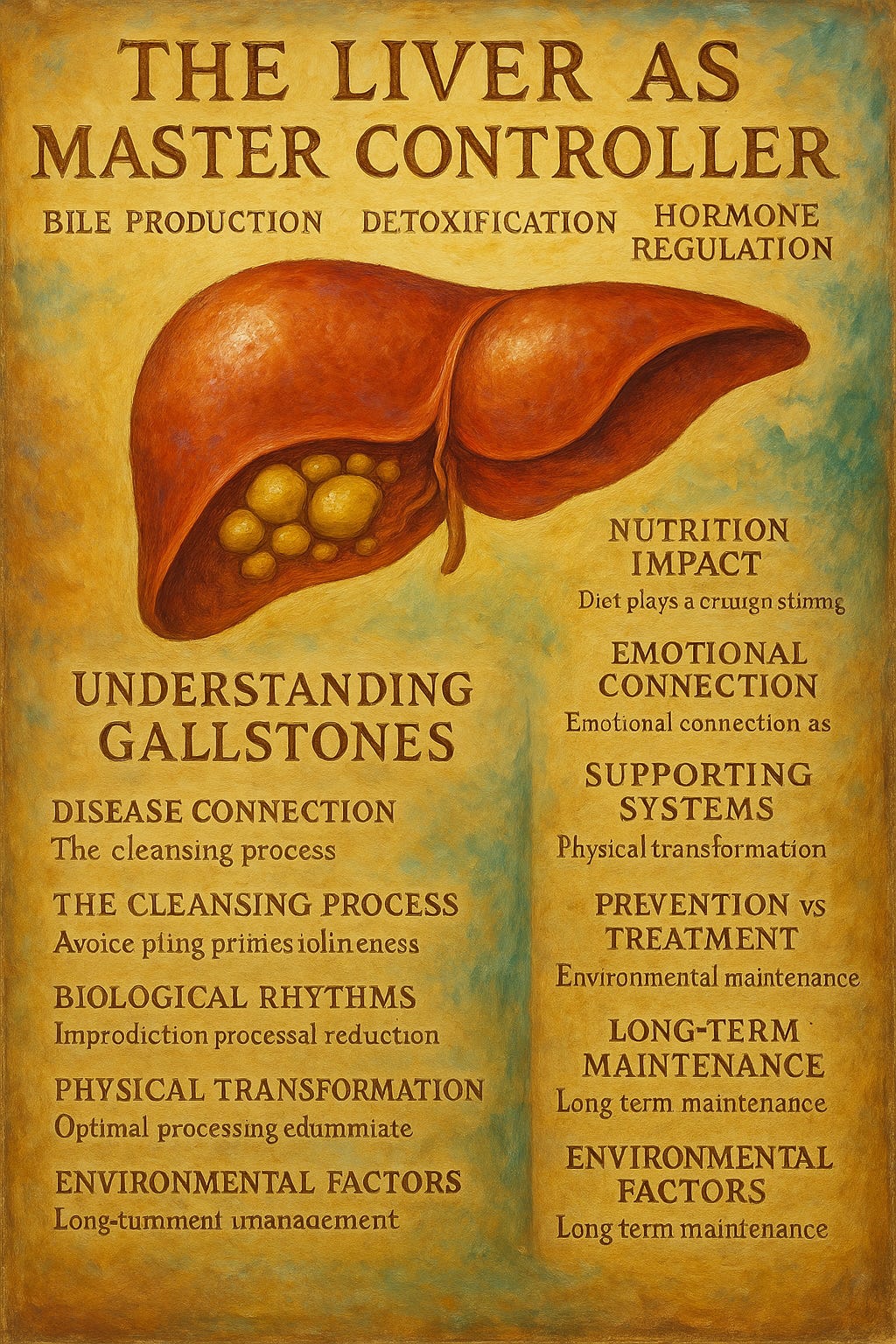
The Liver as Master Controller: The liver performs over 500 vital functions, including bile production, detoxification, and hormone regulation. A healthy liver is fundamental to overall health and vitality, processing everything from nutrients to toxins while maintaining blood chemistry balance.
Understanding Gallstones: Gallstones form in both the liver and gallbladder when bile becomes imbalanced. Most people have significantly more stones in their liver than their gallbladder, though conventional medicine rarely addresses liver stones. These stones can number in the thousands and progressively impair liver function.
Disease Connection: Nearly every chronic illness connects to impaired liver function caused by gallstones. From digestive issues to heart disease, skin problems to emotional disorders, gallstones blocking bile ducts create a cascade of health problems throughout the body's systems.
The Cleansing Process: The liver cleanse uses specific natural ingredients working synergistically - apple juice for stone softening, Epsom salts for duct dilation, and olive oil with citrus juice to stimulate stone release. This process allows for the painless removal of hundreds or thousands of stones over multiple cleanses.
Biological Rhythms: The timing of liver function follows natural circadian rhythms, with peak detoxification occurring between 1-3 AM. Proper sleep patterns, meal timing, and cleanse timing all work with these natural rhythms to support optimal liver function.
Nutrition Impact: Diet plays a crucial role in both stone formation and prevention. Animal proteins, processed foods, and irregular eating patterns contribute to stone formation, while a plant-based diet with proper meal timing supports liver health.
Emotional Connection: The liver profoundly influences emotional well-being through its role in hormone processing and stress response regulation. Liver congestion often manifests as irritability and anger, while cleansing frequently results in improved emotional stability and mental clarity.
Supporting Systems: The effectiveness of liver cleansing depends on supporting protocols, particularly colon cleansing before and after the liver cleanse. The health of the digestive, urinary, and lymphatic systems all interconnect with liver function.
Physical Transformation: Successful liver cleansing leads to numerous physical improvements including better digestion, increased energy, clearer skin, weight normalization, and reduced pain and inflammation throughout the body.
Prevention vs Treatment: While conventional treatments focus on gallbladder removal or stone dissolution, the liver cleanse addresses root causes by removing stones from both the liver and gallbladder while maintaining natural function. This preventive approach supports long-term health maintenance.
Environmental Factors: External factors including sunlight exposure, water quality, environmental toxins, and even dental materials significantly impact liver health. Creating a supportive environment reduces toxic burden on the liver.
Long-term Maintenance: Optimal liver health requires ongoing maintenance through periodic cleansing, proper diet, lifestyle practices, and attention to emotional well-being. This comprehensive approach supports healthy aging and disease prevention.
How to do The Flush
[Note: 10 US fluid ounce = 300 ml (295 if you want to be exact)]
The liver and gallbladder flush begins with six days of preparation focused on softening existing gallstones. During this period, drink 32 ounces of apple juice daily, consumed slowly between meals and never with food. The malic acid in apple juice gradually softens the stones for easier passage. Throughout this preparation phase, maintain a balanced diet but avoid animal proteins, dairy products, and fried foods. All foods should be warm or at room temperature, as cold items reduce the effectiveness of the cleanse.
On the sixth day, consume only light foods. Eat a simple breakfast such as oatmeal (without sugar, milk, or butter) and a lunch consisting of plain steamed vegetables with white rice before 1:30 PM. After this time, consume nothing but water. This fasting period gives your digestive system time to rest and prepare for the cleanse. If possible, schedule a colon cleanse before proceeding to the main phase, as this improves results by preventing backup pressure.
The actual cleanse begins at 6:00 PM with the first dose of Epsom salts (magnesium sulfate) - four tablespoons dissolved in 24 ounces of water, divided into four 6-ounce servings. Drink your first portion at 6:00 PM and the second at 8:00 PM. These salts dilate the bile ducts, making stone passage easy and painless. At 9:45 PM, prepare a mixture of 1/2 cup of cold-pressed olive oil and 2/3 cup of fresh grapefruit juice (or lemon and orange combined) by shaking them together in a jar.
At 10:00 PM, drink the entire oil and juice mixture standing up, then immediately lie down on your bed with your head elevated and right side up. Remain perfectly still for at least 20 minutes. This position helps the oil mixture trigger a powerful release of bile and stones from your liver and gallbladder. Most people fall asleep afterward and experience no discomfort during the night, though some may feel nauseous as stones begin to move through the bile ducts.
The following morning, take your third dose of Epsom salts at 6:00 AM and the final dose at 8:00 AM to complete the flushing process. By 10:00 AM, you can drink fresh fruit juice and eat light foods an hour later. Throughout the morning, you'll experience several watery bowel movements containing expelled gallstones visible as green, tan, or white pebbles that typically float due to their cholesterol content. To ensure complete removal of stones, schedule a colonic irrigation within three days after the cleanse. Most people require 8-12 liver cleanses, performed at 3-4 week intervals, to completely clear all stones from the liver.
50 Questions & Answers
Question 1: What is the fundamental relationship between the liver, gallbladder, and bile production?
The liver and gallbladder work together as a sophisticated processing and storage system, with bile being the crucial connecting element. The liver produces about 1 to 1.5 quarts of bile daily, which contains water, mucus, bile pigment, bile salts, cholesterol, and essential enzymes and bacteria. This bile flows from the liver cells through tiny canals called bile canaliculi, which join to form larger ducts, eventually connecting to the right and left hepatic ducts.
The gallbladder serves as a storage reservoir and concentration facility for this bile, reducing its volume to about one-tenth of its original quantity while increasing the concentration of bile salts tenfold. When food enters the duodenum, particularly fatty foods, the gallbladder contracts and releases this concentrated bile to aid in digestion. This synchronized system ensures efficient fat digestion, absorption of fat-soluble vitamins, and the removal of toxins from the liver.
Question 2: How do gallstones form in the liver and gallbladder?
Gallstones begin forming when the composition of bile becomes imbalanced, often due to excessive cholesterol content or decreased bile salts. The process starts with tiny cholesterol crystals combining with other bile components to form small clots. These initial clots can obstruct the microscopic bile canaliculi, leading to further bile stagnation and the formation of larger stones.
In the gallbladder, the concentration process can lead to stone formation when bile becomes oversaturated with cholesterol or other components. The stones can grow over time, taking up to eight years to reach a noticeable size. The formation process is often exacerbated by poor dietary choices, irregular eating habits, dehydration, and other lifestyle factors that affect bile composition and flow.
Question 3: What are the different types of gallstones and their composition?
The two primary categories of gallstones are cholesterol stones and pigment stones. Cholesterol stones contain at least 60 percent cholesterol and appear yellowish or tan in color, while some varieties are pea-green and softer, containing up to 95 percent cholesterol. These stones can also include various organic, fatty materials and are typically the most common type found in the liver.
Pigment stones, on the other hand, are brown or black due to their high content of colored pigment (bilirubin). These stones tend to be harder and more calcified than cholesterol stones, though cholesterol-based stones can also become calcified over time. Calcified stones primarily form in the gallbladder rather than the liver, and their composition often includes various minerals and bile pigments.
Question 4: Why does bile play such a crucial role in overall health?
Bile serves multiple essential functions that extend far beyond its basic role in digestion. It acts as a natural detoxifier, helping to remove harmful substances from the liver and blood, while also maintaining proper acid-alkaline balance in the intestinal tract. The alkaline nature of bile helps neutralize excess acids and prevents the overgrowth of harmful bacteria in the intestines.
Furthermore, bile is crucial for the absorption of fat-soluble vitamins (A, D, E, and K) and the proper metabolism of fats and proteins. Without adequate bile flow, the body cannot properly absorb calcium, leading to potential bone density issues. The lack of proper bile flow can also result in toxic accumulation throughout the body, affecting every major organ system and potentially contributing to numerous chronic health conditions.
Question 5: How do gallstones in the liver differ from those in the gallbladder?
Liver gallstones are typically softer and more numerous than gallbladder stones, forming primarily from cholesterol and bile constituents. These stones can number in the thousands and are often smaller, forming throughout the complex network of bile ducts within the liver. They are usually green in color due to their bile content and can be more difficult to detect through conventional medical imaging.
Gallbladder stones, conversely, tend to be fewer in number but can grow larger, sometimes reaching several inches in diameter. They are more likely to become calcified and can contain higher concentrations of minerals and bile pigments. These stones are more easily detected through conventional medical testing due to their size and density, and they're more likely to cause acute symptoms like gallbladder attacks.
Question 6: What is the connection between liver function and the body's digestive processes?
The liver acts as the master control center for digestion, producing bile that breaks down fats and helps absorb nutrients from food. It processes and filters all nutrients absorbed through the intestinal tract, converting them into forms that the body can use. The liver also stores vital nutrients and releases them as needed, maintaining steady blood sugar levels and providing consistent energy to cells.
Beyond its direct digestive roles, the liver also detoxifies harmful substances that enter through the digestive tract, produces essential proteins for blood plasma, and synthesizes cholesterol needed for cell membranes and hormone production. When liver function is impaired by gallstones, these processes become compromised, leading to poor nutrient absorption, toxic accumulation, and various digestive disorders.
Question 7: How do gallstones affect the body's ability to process nutrients?
Gallstones obstruct the flow of bile through the liver's bile ducts, which directly impairs the body's ability to break down and absorb fats and fat-soluble nutrients. When bile flow is restricted, fats cannot be properly emulsified and digested, leading to poor absorption of essential fatty acids and fat-soluble vitamins. This creates a cascade effect where cells become increasingly malnourished despite adequate food intake.
The presence of gallstones also affects the liver's ability to process and store other nutrients, including proteins, carbohydrates, and minerals. The impaired digestive process can lead to the accumulation of undigested food in the intestines, causing fermentation, bacterial overgrowth, and inflammation. This further compromises nutrient absorption and can lead to various deficiency-related health issues.
Question 8: What role does the liver play in hormone regulation?
The liver serves as a crucial regulator of hormonal balance by processing and breaking down excess hormones in the bloodstream. It helps maintain proper levels of vital hormones including insulin, glucagon, cortisol, estrogen, and thyroid hormones. When gallstones impair liver function, these hormones can accumulate to unhealthy levels, leading to various endocrine disorders.
Additionally, the liver produces proteins that bind to hormones and transport them throughout the body. It also converts hormones into their active forms and synthesizes cholesterol, which is essential for hormone production. When gallstones interfere with these processes, it can lead to widespread hormonal imbalances affecting metabolism, growth, reproduction, and emotional well-being.
Question 9: How do gallstones impact the immune system?
Gallstones in the liver compromise the body's immune function by interfering with the liver's ability to filter toxins and pathogenic materials from the blood. The liver contains specialized cells called Kupffer cells that normally trap and eliminate harmful substances and infectious organisms. When gallstones obstruct bile ducts, these immune functions become impaired, making the body more susceptible to infections and chronic illness.
The presence of gallstones also leads to chronic inflammation and toxic accumulation in the body, forcing the immune system to constantly deal with these internal stressors. This ongoing burden can eventually exhaust immune resources and lead to autoimmune responses, where the body's defense mechanisms become confused and begin attacking healthy tissues.
Question 10: What is the relationship between liver function and emotional health?
The liver's ability to process and detoxify stress hormones directly influences emotional well-being. When gallstones impair liver function, the body's stress response becomes altered, leading to increased irritability, mood swings, and depression. The liver's role in maintaining proper hormone balance also affects neurotransmitter production and function, which are crucial for emotional stability.
Traditional medicine systems have long recognized the connection between liver health and emotional states, particularly anger and frustration. Modern research supports this understanding, showing that impaired liver function can affect brain chemistry and emotional processing. The clearing of gallstones often results in improved emotional well-being, with many people reporting reduced anxiety, better stress tolerance, and a more positive outlook.
Question 11: What are the essential components needed for the liver cleanse?
The liver cleanse requires specific ingredients that work together synergistically to soften and remove gallstones. The core components include six 1-liter containers of apple juice (or alternatives like malic acid powder), Epsom salts dissolved in water, cold-pressed virgin olive oil, and fresh citrus juice from either pink grapefruit or a combination of lemons and oranges. Additionally, two pint jars are needed for mixing the solutions.
Beyond the physical ingredients, proper timing and preparation are essential components. The cleanse requires six days of preparation during which apple juice is consumed daily, followed by a 16-20 hour period of actual cleansing. The timing must align with a relatively stress-free period, ideally over a weekend, and should coincide with the body's natural cycles, preferably between full moon and new moon.
Question 12: How should one prepare for the liver cleanse in the days leading up to it?
The preparation phase begins six days before the actual cleanse, during which 32 ounces of apple juice must be consumed daily. This juice should be taken slowly throughout the day between meals, avoiding consumption during, just before, and for two hours after meals. During this period, all foods and beverages should be warm or at room temperature, never cold or chilled, as this can reduce the effectiveness of the cleanse.
The diet during preparation should exclude foods from animal sources, dairy products, and fried foods. On the sixth day, specific timing becomes crucial - the last meal should be a light lunch before 1:30 PM, consisting only of plain cooked or steamed vegetables with white rice. Additionally, scheduling a colon cleanse before the liver cleanse is highly recommended to ensure optimal results and prevent any discomfort during the process.
Question 13: What is the significance of apple juice in the cleanse protocol?
Apple juice contains malic acid, which acts as a natural softening agent for gallstones, making their passage through the bile ducts smoother and easier. This softening process is crucial for preventing any discomfort or complications during the actual cleanse. The malic acid works gradually over the six-day preparation period to prepare both the liver and gallstones for release.
The juice also has a powerful cleansing effect and helps widen the bile ducts through its fermenting properties. While some people may experience initial bloating or digestive changes during the first few days, this is often a sign that old bile is being released from the liver and gallbladder. The brown-yellow color of any resultant diarrhea indicates that the apple juice is effectively stimulating bile release.
Question 14: Why is timing crucial during the actual cleanse process?
Timing during the cleanse follows the body's natural digestive and detoxification rhythms. The process begins at 6:00 PM with the first dose of Epsom salts, with subsequent doses at specific intervals throughout the evening and following morning. This schedule allows the body's natural cleansing mechanisms to work most effectively while minimizing any potential discomfort.
The olive oil mixture must be consumed at 10:00 PM, followed immediately by lying down in a specific position. This timing aligns with the body's natural nocturnal cleansing cycle and allows for maximum stone release while sleeping. The morning schedule is equally important, with precisely timed doses of Epsom salts to complete the cleansing process and ensure all released stones are effectively eliminated.
Question 15: What role does Epsom salt play in the cleanse?
Epsom salt (magnesium sulfate) serves as a powerful dilator of the bile ducts, widening these passages to allow for easier stone passage. This dilation is crucial for preventing any discomfort or obstruction as the stones move through the biliary system. The magnesium in Epsom salt also helps relax the bile duct valves, ensuring they remain open during the cleanse.
Additionally, Epsom salt acts as a cleansing agent, clearing out waste material that might otherwise obstruct the release of stones. The timing and dosage of Epsom salt administration are carefully calculated to maintain this dilation and cleansing effect throughout the entire process, from the evening preparation through the morning elimination phase.
Question 16: How does the olive oil mixture work to remove gallstones?
The olive oil mixture, combined with citrus juice, triggers a powerful release of bile from the liver and gallbladder. When consumed, this large amount of oil signals the liver to execute a strong contraction, forcing out accumulated stones along with the bile. The citrus juice works synergistically with the oil, helping to thin the bile and make the mixture more palatable.
The specific position required after consuming the mixture - lying flat with the head elevated - helps direct the oil to stimulate the optimal response from the liver and gallbladder. The combination of the oil mixture with the previously administered Epsom salts creates ideal conditions for stone release, with the relaxed and dilated bile ducts allowing for smooth passage of the stones.
Question 17: What should one expect during the cleanse process?
During the cleanse, one might experience multiple bowel movements beginning the evening of the cleanse and continuing through the following morning. These movements often contain expelled gallstones, which can vary in size from tiny grain-like particles to stones the size of a small walnut. The stones may appear in different colors, including green, tan, or white, and often float due to their cholesterol content.
Some individuals might experience mild nausea or discomfort during the night, particularly after taking the oil mixture. This is usually due to the powerful release of stones and toxins from the liver. By morning, most people begin to feel better, and many report an immediate sense of improved well-being. The entire process typically concludes by early afternoon the following day.
Question 18: How can one identify genuine gallstones from other substances during the cleanse?
Genuine gallstones can be identified by several characteristic features. Most are pea-green or tan-colored and float in the toilet because they contain bile compounds. The stones come in various sizes and colors, with the light-colored ones being the newest and dark-green ones being the oldest. Some stones may be calcified and appear white or tan, typically sinking to the bottom.
The stones often emit a distinctive, unpleasant odor unlike normal fecal matter, and their composition has been verified through laboratory analysis to contain cholesterol, bile salts, and other bile constituents. A layer of white or tan-colored chaff floating in the toilet consists of millions of tiny white, sharp-edged cholesterol crystals, which are also significant to release.
Question 19: Why is post-cleanse care important and what does it involve?
Post-cleanse care is crucial because the liver and gallbladder have undergone a significant detoxification process. The most important aspect is having a colonic irrigation or alternative colon cleansing within three days after the cleanse. This ensures the complete removal of any stones that may have been caught in the colon, preventing potential reabsorption of toxins or stone fragments.
The days following the cleanse require gentle treatment of the digestive system, including eating light meals and maintaining good hydration. Some people may continue to pass stones for several days after the cleanse, and maintaining proper dietary choices during this time helps support the body's healing process. Additionally, any temporary cleansing reactions can be managed through proper post-cleanse care.
Question 20: How many cleanses are typically needed for optimal results?
Most people require between 8 to 12 cleanses, performed at three-week or monthly intervals, to completely clear all gallstones from the liver and gallbladder. The number of cleanses needed varies depending on how many stones have accumulated over time and how severely congested the liver has become. It's important to continue cleansing until no more stones appear during two consecutive cleanses.
The timing between cleanses is crucial - leaving too much time between cleanses (three months or more) can be less effective than maintaining a regular schedule. Each subsequent cleanse often releases stones from deeper within the liver, and many people report increasingly beneficial results as they progress through the series of cleanses. The process should not be rushed, as the body needs time to heal and adjust between cleanses.
Question 21: What dietary changes help prevent gallstone formation?
A balanced vegetarian or vegan diet provides the most effective prevention against gallstone formation. This approach naturally reduces the intake of concentrated proteins and harmful fats that can trigger gallstone development. The diet should emphasize fresh vegetables, fruits, complex carbohydrates, and adequate amounts of healthy fats. Drinking fresh carrot juice daily, especially before lunch, creates an environment in the liver that discourages stone formation.
The timing and composition of meals play crucial roles in prevention. The largest meal should be consumed at midday when bile production peaks, while breakfast and dinner should be lighter. Processed foods, refined sugars, and artificial additives should be avoided as they stress the liver and alter bile composition. Foods known to trigger gallbladder attacks, such as eggs, pork, greasy foods, pasteurized dairy, and citrus fruits, should be eliminated or significantly reduced.
Question 22: How does protein consumption affect gallstone development?
Excessive protein consumption, particularly from animal sources, leads to thickening and congestion of the blood vessel walls in the liver, including the critical liver sinusoids. When protein deposits clog these vessels, cholesterol cannot properly leave the bloodstream. This triggers the liver to increase cholesterol production, believing there's a shortage in the body. The excess cholesterol then enters the bile ducts, where it can form into stones.
The body actually requires much less protein than commonly believed, as about 95 percent of the body's protein is recycled, and cells can synthesize new proteins from basic elements found in air and plant-based foods. High-protein diets force the liver to work harder at processing these concentrated nutrients, leading to increased stone formation and potential liver damage. This explains why populations consuming primarily plant-based diets show significantly lower rates of gallstone formation.
Question 23: What is the relationship between water intake and liver health?
Water serves as the fundamental medium for bile production, with the liver requiring adequate hydration to produce 1-1.5 quarts of bile daily. Proper water intake ensures bile maintains its optimal fluidity and composition, preventing it from becoming too concentrated or sticky. The timing of water consumption is crucial - drinking warm water upon waking helps flush accumulated toxins, while avoiding water during meals helps maintain proper digestive enzyme concentration.
Dehydration forces cells to release their water content to maintain blood volume, leading to cellular dysfunction and increased toxin accumulation. This creates a vicious cycle where dehydrated bile becomes more concentrated, increasing the likelihood of stone formation. The type of water consumed also matters - natural spring water or properly filtered water free from chlorine and fluoride supports optimal liver function, while treated or chemically altered water can contribute to toxin accumulation.
Question 24: How do biological rhythms impact liver function?
The liver operates according to precise circadian rhythms that coordinate with natural day-night cycles. These rhythms govern the timing of bile production, detoxification processes, and nutrient metabolism. Peak liver activity occurs during the early morning hours, particularly between 1-3 AM, when the body conducts its primary detoxification work. This explains why going to sleep before 10 PM supports optimal liver function.
Disrupting these natural rhythms through irregular eating patterns, late-night meals, or disturbed sleep cycles directly impacts liver performance. The liver's biological clock influences hormone production, especially cortisol and melatonin, which affect everything from digestion to immune function. Working against these natural rhythms by eating late or staying awake during crucial regeneration hours forces the liver to work inefficiently and increases the likelihood of stone formation.
Question 25: What role does sleep play in liver health?
Sleep directly influences the liver's ability to perform its vital functions of detoxification and regeneration. The deepest and most beneficial sleep for liver health occurs between 10 PM and 2 AM, particularly during the first two hours before midnight. During this time, oxygen consumption drops significantly, allowing the liver to focus on cleansing and repair work without the competing demands of digestion and physical activity.
Poor sleep patterns or insufficient sleep lead to increased stress hormone production, which forces the liver to process these additional compounds while already managing its regular detoxification duties. This extra burden can lead to bile stagnation and stone formation. Additionally, sleep deprivation affects the liver's ability to regulate blood sugar and process fats effectively, creating conditions that promote gallstone development.
Question 26: How does emotional stress contribute to gallstone formation?
Emotional stress triggers the release of stress hormones like adrenaline and cortisol, which alter bile composition and flow. When under stress, the body restricts bile secretion as part of the fight-or-flight response, leading to bile stagnation and potential stone formation. Chronic stress maintains this state of restricted flow, creating an ongoing cycle of bile thickening and crystallization.
The liver's role in processing stress hormones means that emotional turmoil creates an additional burden on its detoxification capabilities. Sustained stress also affects digestion by reducing blood flow to the digestive organs, impairing nutrient absorption and waste elimination. This combination of altered bile flow, increased toxic load, and compromised digestion creates ideal conditions for gallstone formation. Interestingly, the relationship works both ways - existing gallstones can contribute to emotional instability and stress sensitivity.
Question 27: What exercise recommendations support liver health?
Moderate, regular exercise supports liver health by improving blood circulation and lymphatic flow, which aids in toxin removal and prevents bile stagnation. The key is to maintain consistent activity without overexertion, as excessive exercise can trigger stress responses that burden the liver. Aerobic exercises performed while maintaining nasal breathing (versus mouth breathing) are particularly beneficial for liver function.
Exercise should not exceed 50 percent of one's capacity, and sessions should avoid causing fatigue. Simple practices like daily walking, gentle yoga, or tai chi can provide significant benefits. Specific exercises targeting the liver area, such as twisting poses or gentle side stretches, can help stimulate bile flow. The timing of exercise is also important - morning exercise aligns with the body's natural detoxification rhythms and supports optimal liver function.
Question 28: How do different foods affect bile production?
Foods directly influence both the quantity and quality of bile production. Bitter foods naturally stimulate bile flow, while processed foods and artificial additives can impair bile production and alter its composition. Fresh vegetables, particularly bitter greens like arugula and dandelion, support healthy bile production. Conversely, foods high in refined sugars or artificial sweeteners can cause bile to become more viscous and prone to crystallization.
The timing and combination of foods also affect bile secretion. Heavy protein meals require more bile for digestion, potentially depleting bile reserves if consumed too frequently. Healthy fats in appropriate amounts stimulate proper bile release, while excessive or poor-quality fats can overwhelm the system. Understanding these relationships helps in designing a diet that supports optimal bile production and prevents stone formation.
Question 29: What is the importance of meal timing?
Meal timing aligns with the body's natural rhythms of bile production and digestive enzyme secretion. The most significant bile release occurs during midday, making this the optimal time for the largest meal. Eating at irregular times disrupts these natural cycles, potentially leading to inadequate bile release and poor digestion. Additionally, eating late at night forces the liver to process food during its crucial detoxification period.
The spacing between meals is equally important, allowing complete digestion of one meal before introducing the next. This prevents bile depletion and maintains proper digestive efficiency. Skipping meals or eating at irregular intervals can lead to bile stagnation and stone formation. The traditional wisdom of eating breakfast like a king, lunch like a prince, and dinner like a pauper aligns with the body's natural digestive rhythms and supports optimal liver function.
Question 30: How do environmental factors influence liver health?
Environmental toxins, including air pollution, chemical cleaning products, and pesticides, create an additional burden on the liver's detoxification systems. These toxins must be processed and neutralized by the liver, potentially overwhelming its capacity and leading to stone formation. Exposure to artificial electromagnetic fields, fluoridated water, and other modern environmental stressors can also impact liver function.
Natural environmental factors like sunlight exposure play a crucial role in liver health. Regular, appropriate sun exposure helps regulate cholesterol metabolism and supports vitamin D production, which affects liver function. The quality of air and water in one's environment directly impacts liver health, making it important to minimize exposure to toxins and ensure access to clean, properly filtered water and fresh air. Creating a healthy living environment supports the liver's natural functions and helps prevent stone formation.
Question 31: Why is colon cleansing important before and after liver cleansing?
Colon cleansing before liver cleansing prepares the elimination pathway for the released gallstones and toxins. A congested colon can create backup pressure that impedes the smooth release of stones during the cleanse. The liver cleanse stimulates a powerful purging effect, and without proper colon preparation, this release of toxins and stones could lead to reabsorption or uncomfortable detox symptoms.
The post-cleanse colon cleansing, ideally within three days of the liver cleanse, is even more crucial. During the liver cleanse, stones can become trapped in the colon, where they can become a source of toxicity if not removed promptly. These trapped stones can lead to irritation, infection, and various symptoms including headaches and thyroid problems. Professional colonic irrigation provides the most thorough removal of any remaining stones and toxic residue.
Question 32: How do kidney cleanses support liver health?
Kidney cleansing ensures that toxins released during liver cleansing have a clear path for elimination through the urinary system. The kidneys act as a crucial filtration system, and when they're congested with their own stones or toxic material, they cannot effectively handle the additional detoxification load that liver cleansing creates. A properly functioning kidney system helps maintain proper blood chemistry and supports the liver's detoxification efforts.
The kidney cleanse, utilizing specific herbs and increased water intake over 20-30 days, helps dissolve and eliminate various types of kidney stones including uric acid, oxalic acid, and phosphate stones. This process should be undertaken after completing several liver cleanses to prevent overwhelming the body's elimination systems. The synergistic effect of liver and kidney cleansing creates a more comprehensive detoxification approach that supports overall health restoration.
Question 33: What role do minerals play in liver function?
Minerals serve as essential cofactors for numerous liver enzymes and biochemical processes. The liver requires a full spectrum of ionic minerals to produce bile, process toxins, and maintain its complex metabolic functions. However, these minerals must be in their proper ionic, water-soluble form to be effectively utilized by liver cells. Traditional mineral supplements often contain inorganic, metallic minerals that can actually contribute to toxin accumulation.
When minerals are properly ionized and water-soluble, they support the liver's detoxification pathways, help maintain proper bile composition, and facilitate cellular communication. The body's mineral balance directly affects bile consistency and flow. Mineral deficiencies can lead to thickened bile and increased stone formation, while proper mineralization helps maintain optimal bile fluidity and prevent stone formation.
Question 34: How do conventional gallstone treatments compare to natural approaches?
Conventional treatments typically focus on either dissolving gallstones through medication or removing the gallbladder surgically. These approaches fail to address the underlying causes of stone formation and ignore the presence of stones in the liver. Medications used to dissolve stones have a high failure rate and significant recurrence rate. Surgical removal of the gallbladder, while providing temporary relief, can lead to long-term digestive issues and doesn't prevent continued stone formation in the liver.
Natural approaches, particularly the liver cleanse, address the root cause by removing stones from both the liver and gallbladder while maintaining the body's natural functions. This method allows for the preservation of the gallbladder and restoration of proper bile flow. Combined with dietary and lifestyle changes, natural approaches provide a comprehensive solution that not only removes existing stones but also prevents their reformation.
Question 35: What are the risks of gallbladder surgery?
Gallbladder surgery, even with modern laparoscopic techniques, carries significant risks including hemorrhage, pancreatic inflammation, and bile duct injury. The procedure has seen a dramatic increase in bile duct injuries since the adoption of laparoscopic techniques. Post-surgical complications can include bile leakage into the abdomen, infection, and the formation of abdominal adhesions.
More importantly, removing the gallbladder doesn't address the underlying causes of stone formation and can lead to long-term digestive issues. Without the gallbladder's storage and concentration functions, bile flows directly from the liver in an uncontrolled manner, leading to poor fat digestion and potential nutrient deficiencies. This can contribute to the development of more serious health conditions over time.
Question 36: How does oil therapy support liver health?
Oil therapy, involving the swishing of unrefined oil in the mouth, provides a unique method of blood purification that supports liver function. This ancient practice helps draw toxins from the blood through the salivary glands and oral mucosa. The process activates enzymes that attract toxins from the bloodstream, reducing the toxic load on the liver and supporting its detoxification functions.
The therapy is particularly effective when performed in the morning before breakfast, when the body's natural detoxification processes are most active. The released toxins must be expectorated rather than swallowed, and the procedure should be followed by thorough oral cleaning. Regular practice can help alleviate various liver-related symptoms and support overall detoxification efforts.
Question 37: What is the significance of unrefined salt for liver function?
Unrefined sea salt contains over ninety essential minerals in their natural, balanced form, which support proper liver function and bile production. Unlike refined salt, which contains only sodium and chloride, unrefined salt provides the full spectrum of minerals needed for proper cellular function and fluid balance. These minerals help maintain proper bile composition and prevent stone formation.
The minerals in unrefined salt also support the body's natural detoxification processes, help maintain proper blood chemistry, and facilitate cellular communication. When properly dissolved in water or food, these minerals can freely cross cell membranes and support optimal liver function. The absence of chemical additives and anti-caking agents found in refined salt prevents additional toxic burden on the liver.
Question 38: How do dental metals affect liver health?
Dental metals, particularly mercury amalgam fillings, release toxic compounds that must be processed by the liver. These metals corrode over time, releasing vapors and compounds that enter the bloodstream and create an ongoing source of toxicity. The liver must constantly work to neutralize these metals, which can lead to chronic stress on its detoxification systems and contribute to stone formation.
The removal of metal dental work can significantly reduce the toxic burden on the liver, though the process should be undertaken carefully with proper protocols to prevent additional exposure. The replacement of metal fillings with biocompatible materials, combined with liver cleansing and supportive herbs, can help restore proper liver function and overall health.
Question 39: What role does sunlight exposure play in liver function?
Sunlight exposure directly influences the liver's cholesterol metabolism and vitamin D production. Regular, appropriate sun exposure helps regulate cholesterol levels naturally, without increasing cholesterol in the bile (unlike cholesterol-lowering drugs). The synthesis of vitamin D through sunlight exposure supports proper calcium metabolism and overall liver function.
The timing and duration of sun exposure are crucial factors. Morning sunlight provides particular benefits for liver function and helps regulate the body's natural circadian rhythms. However, excessive exposure or exposure during peak UV hours should be avoided. The benefits of sunlight exposure are maximized when combined with proper hydration and a healthy diet.
Question 40: How do different herbs support liver health?
Specific herbs have been traditionally used to support liver function and bile flow. Herbs like dandelion root, milk thistle, and licorice root provide compounds that help protect liver cells, support bile production, and aid in detoxification. These herbs can be particularly beneficial when used in combination, creating a synergistic effect that supports overall liver health.
The timing and method of herb consumption are important factors in their effectiveness. Herbs should be prepared properly, usually as teas or tinctures, and taken on an empty stomach for maximum absorption. Regular use of liver-supporting herbs, particularly during seasonal changes, can help maintain optimal liver function and prevent stone formation. However, herbs should be used as part of a comprehensive approach that includes proper diet and lifestyle practices.
Question 41: What physical changes can one expect after liver cleansing?
The physical changes following liver cleansing often begin with improved digestion and increased energy levels. As bile flow normalizes, the body begins processing nutrients more efficiently, leading to better absorption of vitamins and minerals. Many people report clearer skin, brighter eyes, and reduced puffiness in the face and body as trapped fluids and toxins are released. The abdomen often becomes flatter and softer as internal organs function more efficiently.
These improvements typically progress with each subsequent cleanse. Joint and muscle stiffness gradually diminishes as metabolic waste is cleared from tissues. Many people experience weight normalization - overweight individuals tend to lose excess fluid retention while underweight individuals often gain healthy weight as nutrient absorption improves. The body's natural healing mechanisms become more effective, leading to faster recovery from injuries and improved overall resilience.
Question 42: How does liver cleansing affect energy levels and vitality?
The removal of gallstones allows the liver to process and distribute nutrients more efficiently, resulting in a significant increase in cellular energy production. This manifests as sustained energy throughout the day, rather than the peaks and crashes often experienced before cleansing. The improved bile flow means better fat metabolism, leading to more stable blood sugar levels and consistent energy availability.
The enhanced detoxification capacity of a cleansed liver means less energy is expended on managing toxic buildup, allowing more resources for vital functions and repair. Many people report needing less sleep while feeling more refreshed upon waking. Mental clarity often improves as the brain receives better nutrition and fewer toxins cross the blood-brain barrier. This combination of physical and mental energy creates a comprehensive improvement in overall vitality.
Question 43: What improvements in digestion typically occur after cleansing?
After liver cleansing, proper bile flow resumes, leading to significantly improved fat digestion and nutrient absorption. Common digestive issues such as bloating, gas, and indigestion often resolve as the digestive system regains its natural efficiency. Food allergies and sensitivities may diminish or disappear entirely as the intestinal environment normalizes and inflammation reduces.
The improved digestive function creates a cascade of positive effects throughout the body. Bowel movements become more regular and complete, eliminating the previous cycle of constipation or diarrhea. Food cravings often disappear as the body receives proper nutrition, and many people report developing a natural inclination toward healthier food choices. The enhanced digestion also supports better protein metabolism and mineral absorption, contributing to improved overall health.
Question 44: How does liver cleansing impact skin health?
Liver cleansing often results in dramatic improvements in skin condition as the body's largest detoxification organ - the skin - no longer needs to compensate for impaired liver function. Common skin conditions such as acne, eczema, and psoriasis frequently improve or resolve completely. The skin typically becomes clearer, more elastic, and develops a natural, healthy glow as proper nutrient delivery and waste removal are restored.
The deeper layers of skin benefit from improved circulation and lymph flow, leading to better tissue repair and regeneration. Age spots and other pigmentation irregularities may fade as liver function normalizes. The removal of gallstones also helps balance hormones, which can reduce hormonally-driven skin issues. Many people report a more youthful appearance as the skin's natural healing and regenerative capabilities are restored.
Question 45: What emotional changes might occur after liver cleansing?
Liver cleansing often leads to profound emotional shifts as the traditional connection between liver function and emotional well-being becomes apparent. Many people report feeling less irritable and angry, with a greater sense of emotional stability and resilience. The traditional Chinese medicine concept of the liver as the seat of anger is often validated as individuals experience a natural release of long-held emotional tensions.
The improved physical function creates a foundation for better emotional health, with many people reporting reduced anxiety and depression. Mental clarity increases as brain chemistry normalizes, leading to better decision-making and emotional processing. The release of stored toxins also seems to correspond with a release of stored emotional trauma, leading to a lighter, more positive emotional state. Many report a natural increase in confidence and self-esteem as their physical health improves.
Question 46: How does liver cleansing affect weight management?
Liver cleansing impacts weight management through multiple mechanisms. The improved bile flow leads to better fat metabolism and more efficient nutrient processing, allowing the body to naturally achieve its ideal weight. Many people lose excess weight as improved liver function reduces fluid retention and allows proper processing of stored toxins previously held in fat tissue.
The normalization of hormonal balance plays a crucial role in weight management, as the liver better regulates insulin, cortisol, and other hormones that influence weight. Food cravings typically diminish as the body receives proper nutrition, making it easier to maintain healthy eating habits. The improved metabolic efficiency means better energy utilization, often leading to more natural appetite regulation and sustainable weight management.
Question 47: What long-term benefits can be expected from regular liver maintenance?
Regular liver maintenance through periodic cleansing and healthy lifestyle practices creates cumulative benefits for long-term health. The consistent removal of gallstones and toxins allows the liver to maintain optimal function, supporting robust immunity and efficient detoxification. This ongoing maintenance helps prevent the development of chronic diseases and supports the body's natural healing capabilities.
The long-term benefits extend to all body systems as the liver's hundreds of functions remain unimpeded. Digestive efficiency, hormonal balance, and energy production stay optimal, creating a foundation for healthy aging. Many people report maintaining their vitality and mental clarity well into their later years, with reduced incidence of age-related health issues. The regular maintenance approach helps prevent the re-accumulation of gallstones and supports sustained wellness.
Question 48: How does liver cleansing impact aging and cellular health?
Liver cleansing directly influences the aging process by improving cellular nutrition and waste removal. When the liver functions optimally, cells receive better quality nutrients and oxygen, while cellular waste products are more efficiently eliminated. This improved cellular environment supports better cell reproduction and repair, leading to more youthful, healthier tissues throughout the body.
The impact on cellular health manifests in multiple ways, from improved skin elasticity to better organ function. The removal of gallstones allows for better hormone processing and production, which helps maintain youthful cellular function. The improved detoxification capacity means less cellular damage from accumulated toxins, supporting better long-term cellular health and potentially slowing the aging process.
Question 49: What role does liver health play in disease prevention?
A healthy, stone-free liver serves as the foundation for disease prevention by maintaining proper detoxification, hormone balance, and immune function. Many chronic diseases begin with impaired liver function, as accumulated toxins and poor nutrient processing create conditions conducive to disease development. Regular liver cleansing helps prevent this accumulation and maintains optimal organ function.
The liver's influence on disease prevention extends beyond its direct functions. By maintaining proper bile flow and supporting efficient digestion, it helps prevent the development of numerous digestive disorders. The improved processing of hormones and toxins helps prevent endocrine disruptions and immune system disorders. The comprehensive impact of liver health on all body systems makes it a crucial factor in preventing both acute and chronic diseases.
Question 50: How can one maintain optimal liver function long-term?
Long-term liver health requires a comprehensive approach that includes regular cleansing, proper diet, and lifestyle practices that support liver function. This includes maintaining proper meal timing, choosing liver-friendly foods, and avoiding toxic exposure through food, environment, and personal care products. Regular exercise, adequate sleep, and stress management all play important roles in supporting ongoing liver health.
The maintenance program should include periodic liver cleanses, typically every six to eight months after the initial series of cleanses is complete. This should be combined with seasonal adjustments to diet and lifestyle, regular colon cleansing, and attention to emotional well-being. The integration of supportive practices such as proper hydration, sun exposure, and the use of natural, unrefined salt helps maintain optimal liver function throughout life.
I appreciate you being here.
If you've found the content interesting, useful and maybe even helpful, please consider supporting it through a small paid subscription. While everything here is free, your paid subscription is important as it helps in covering some of the operational costs and supports the continuation of this independent research and journalism work. It also helps keep it free for those that cannot afford to pay.
Please make full use of the Free Libraries.
Unbekoming Interview Library: Great interviews across a spectrum of important topics.
Unbekoming Book Summary Library: Concise summaries of important books.
Stories
I'm always in search of good stories, people with valuable expertise and helpful books. Please don't hesitate to get in touch at unbekoming@outlook.com
For COVID vaccine injury
Consider the FLCCC Post-Vaccine Treatment as a resource.
Baseline Human Health
Watch and share this profound 21-minute video to understand and appreciate what health looks like without vaccination.


Unfortunately, Andreas Moritz died in October 2012. We, in the alternative health community were shocked when we heard the news. His books and videos were widely circulated, and we all advocated his Liver-Gallbladder protocol. I am so happy to see you have reincarnated his memory! This protocol is the best in the world for cleansing! Thank You. May Andreas Moritz be honored for his amazing work.
How does this protocol stand up to the biological assaults of today (almost everything is found via dark field microscope at 200x magnification to contain hydrogel filaments, quantum dots, self assembling nano tech and/or synthetic biology)?