

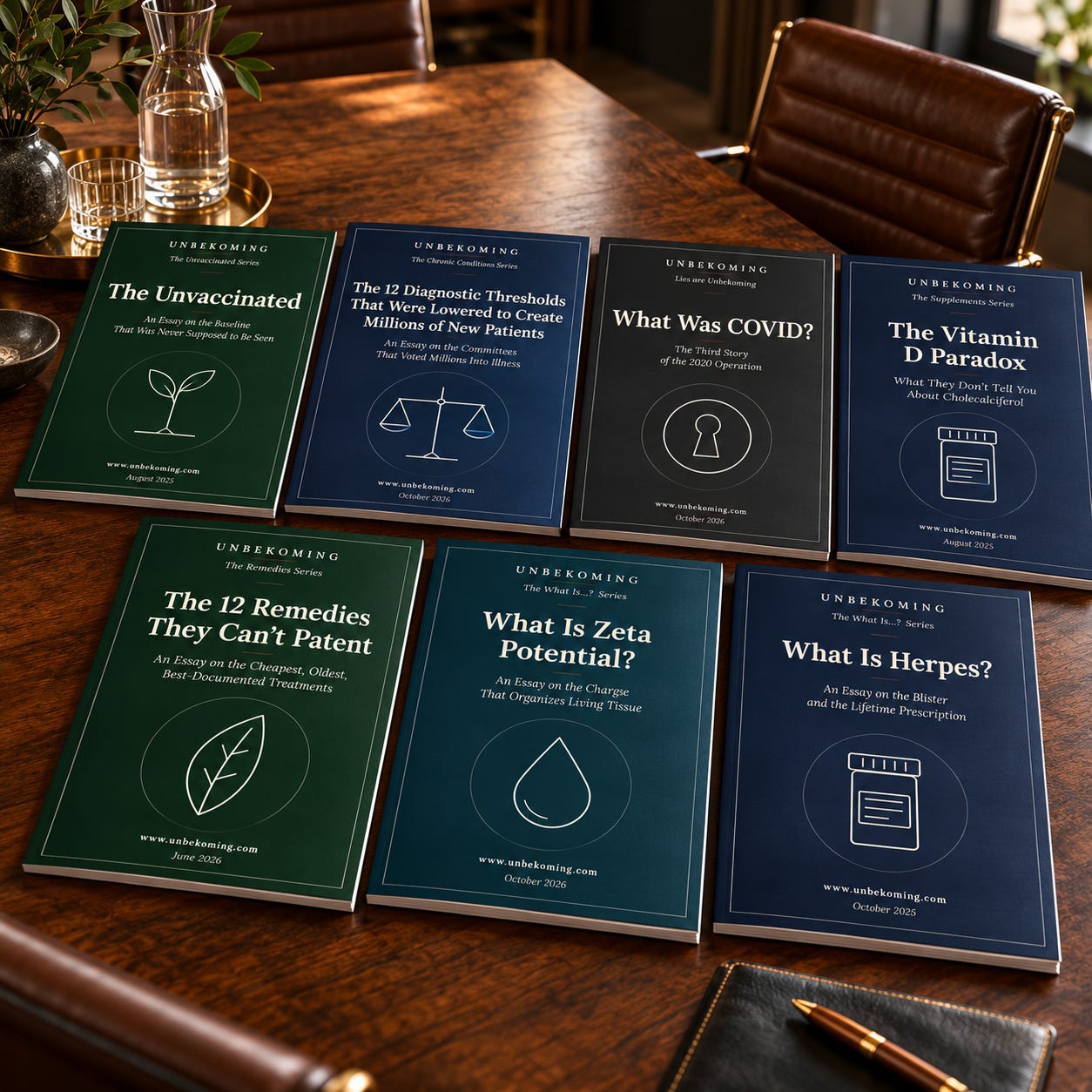
A Substack post is a tab you close. A PDF saved to your drive is a file you keep. A booklet on your shelf is an object someone else can pick up.
The post is what the platform lets you read today. The PDF is what you can read in five years, when the post has drifted down the feed, moderation rules have changed, and the links have broken. The printed booklet is what you can hand to your sister, leave on the kitchen table, mail to someone who will not open a link from you, read on a plane, mark up with a pen. The essay doesn’t change. Its reach does.
That’s the reason I’ve started building PDF versions of the essays and will keep going. They are, at the moment, available to free subscribers.
These are not quick exports of the posts. The page counts are calibrated for booklet printing: divisible by four, trimmed for a readable binding. If you have a printer that can staple and fold, which most mid-range office printers do, the result is a proper stitched-spine booklet. If you don’t, every print shop in the country does, and most will run a small booklet for a few dollars. The booklets I’ve printed at home from these files look like the kind of thing you’d buy in a bookshop.
Each PDF is a short book built around the essay. Alongside the full text, most will carry:
A table of contents.
An Author’s Note framing how to read the piece.
The Essay in Four Beats: the whole argument compressed to four moves, for readers who want the shape before the detail.
The Receipts: the key figures and their citations, pulled out so they can be verified or shared on their own.
A Quick Reference: the practical takeaways on one page, for printing or sharing.
How to Explain It to a Six-Year-Old: the argument stripped to its plain-language core.
Full references and further sources.
The Terrain Framework appendix.
The Unbekoming book catalogue.
The post is the opening of the conversation. The PDF is the version you keep.
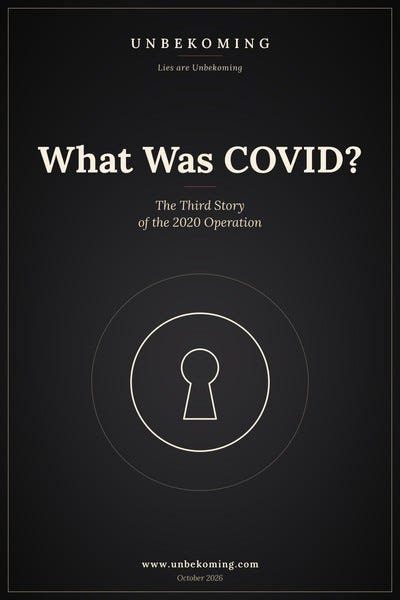
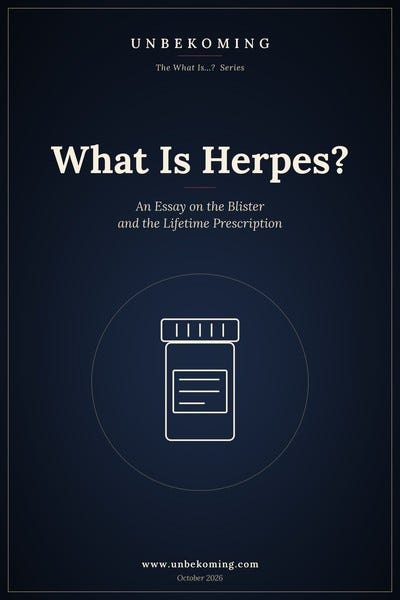
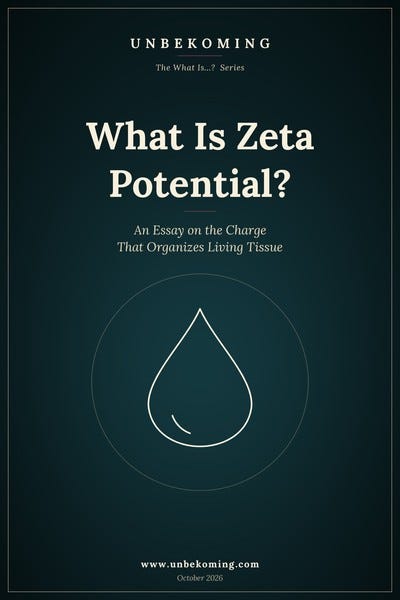
Seven are available now. Three are recent:
Four are from the top ten most-read essays of the last five years:

A free subscription takes a minute; without one you can’t download them. Going forward, new essays will come with a PDF from the start; I’ll also work back through some of the more popular pieces in the archive. I’ll keep iterating on the PDFs. Ideas on how to improve them are welcome.
Print one. Read it on paper. Hand it to someone who still gets their health advice from a seven-minute consultation. The post stays on the screen. The booklet goes where the screen cannot.
Support This Work
The essays are free and will stay free. What paid subscribers get is the library that surrounds them: the full digital book catalogue, audio deep dives, archived, and embedded in each essay, and the Questions for Your Doctor, Before You Consent, and Package Insert series. Platinum Supporters also receive the digital edition of every paperback on the day it’s published.
Whichever tier suits, thank you for being here. If you’d like to become a paid subscriber, upgrade a tier, or gift a subscription to someone who might value the work, the options are below.
The PDFs are brilliant and beautiful.
Just one teensy suggestion for the PDFs: For people using the PDFs on screen (and even in print), text is easier to read if left-justified rather than fully justified (https://grok.com/share/c2hhcmQtMi1jb3B5_20f67e9a-737e-427d-a09c-6b6aa0c4e517).
Thank you Unbekoming!
Being able to create physical, uncensorable media (such as a book) is an indispensable tool in this day and age, and not that difficult. Just buy a good quality laser printer, and you can make your own booklets, and perhaps also share them with the people around you.